Understanding Owl Habitats: Insights for Veterinary Assistants
Category : owlo | Sub Category : owlo Posted on 2023-10-30 21:24:53
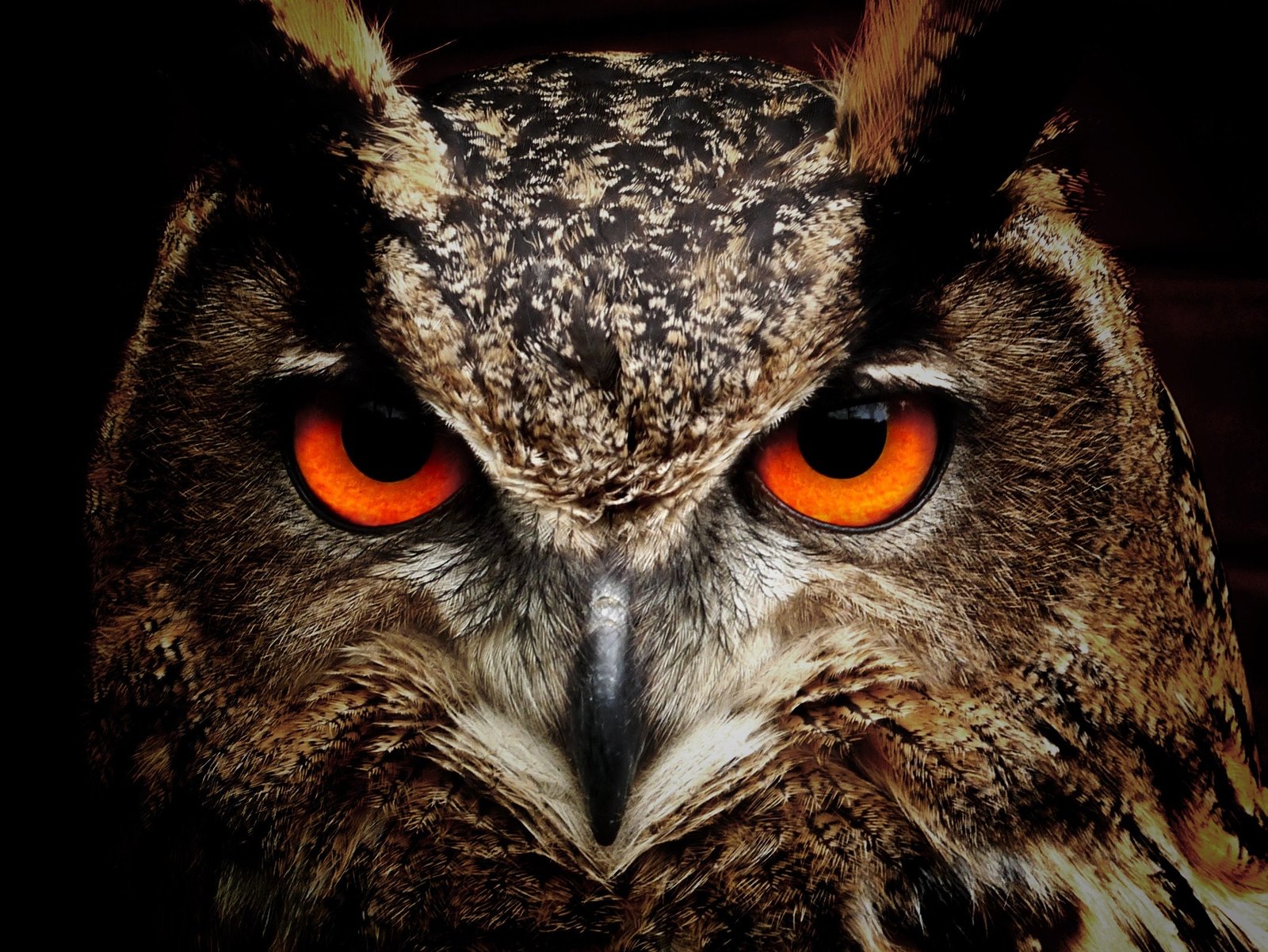
Introduction: As a veterinary assistant, it is vital to have a broad understanding of various animal species and their habitats. Owls, in particular, have captivated humans for centuries with their enigmatic behavior and nocturnal nature. In this blog post, we will delve into the habitats of owls, providing you with valuable insights into these magnificent creatures. 1. Diversity of Owl Species: Owls comprise a diverse group of birds, with over 200 species found worldwide. Understanding the habitat requirements of different owl species is crucial for their conservation and well-being. From the majestic snowy owls that inhabit the Arctic tundra to the tiny elf owls found in desert regions, each species has adapted to specific environmental conditions. 2. Choosing the Perfect Habitat: Owls are often associated with dense forests, and while many species do prefer wooded areas, they are also found in a wide range of habitats. Some species, such as the burrowing owl, make their homes in open grasslands, while others, like the barn owl, can be found in agricultural areas or even urban environments. Knowing these variations in habitat preferences can help veterinary assistants understand the potential risks and challenges these birds may face. 3. Structural Requirements: Owls have unique physical adaptations that allow them to thrive in their chosen habitats. They typically require nesting sites, roosting spots, and hunting grounds to meet their basic needs. Tree cavities, abandoned buildings, and rocky outcrops are common nesting sites for owls, offering them protection and shelter. Veterinary assistants should be aware of these structural requirements to help assess potential injuries or health issues caused by lack of suitable habitats. 4. Influence of Prey Availability: The availability of prey plays a vital role in determining owl populations and their habitat distribution. Owls are top predators and primarily feed on small mammals, insects, reptiles, and birds. The abundance of these prey species in a given area directly impacts the presence and sustainability of owl populations. Veterinary assistants can use this knowledge to identify potential health issues caused by changes in prey availability, such as malnutrition and starvation. 5. Role of Conservation Efforts: Understanding owl habitats is not only crucial for providing effective veterinary care but also for contributing to their conservation. Loss of natural habitats, deforestation, urbanization, and pollution all pose significant threats to owl populations worldwide. Veterinary assistants can play a vital role in advocating for conservation initiatives that focus on preserving and restoring owl habitats to ensure the long-term survival and well-being of these magnificent creatures. Conclusion: As veterinary assistants, being knowledgeable about the habitats of the animals we care for is essential. When it comes to owls, their diverse preferences and adaptability make understanding their habitat requirements all the more crucial. By having a solid understanding of owl habitats, veterinary assistants can offer better care, identify potential health issues, and actively participate in conservation efforts. Together, we can ensure a brighter future for these captivating and highly cherished birds of prey. Seeking answers? You might find them in http://www.petvetexpert.com also don't miss more information at http://www.qqhbo.com For a detailed analysis, explore: http://www.vetbd.com
Leave a Comment:
SEARCH
Recent News
- Zurich, Switzerland is not only known for its picturesque landscapes and vibrant culture but also for its diverse wildlife. While the city may be more commonly associated with its financial sector and luxury shopping, there are some rare and fascinating animals that call Zurich home.
- YouTube Content Creation: Showcasing Rare Animals through Translation
- If you are a nature enthusiast and love learning about rare and exotic animals, there are several YouTube channels dedicated to showcasing these fascinating creatures in their natural habitats. These channels provide a unique opportunity to educate yourself about lesser-known species and the importance of conservation efforts.
- The Importance of Developing Rare Skills Like a Rare Animal in the Workplace
- Women in Politics: Breaking Barriers and Making History
- Warsaw, the capital city of Poland, is not only known for its rich history and beautiful architecture but also for its unique and diverse wildlife. Despite being a bustling urban center, Warsaw is home to some rare and fascinating animals that can be found in various parks, forests, and reserves in and around the city.
- Vietnam is a country known for its rich culture, beautiful landscapes, and delicious cuisine. However, it is also home to a variety of rare and endangered animals that are found nowhere else in the world. In recent years, some Vietnamese businesses and companies have taken initiatives to help protect these precious species and their habitats.
- Vienna, the capital city of Austria, is known for its rich history, stunning architecture, and vibrant cultural scene. But did you know that Vienna is also home to a variety of rare and interesting animals? From exotic species at the Vienna Zoo to elusive wildlife in the surrounding countryside, there are plenty of fascinating creatures to discover in and around this beautiful city.
READ MORE
11 months ago Category : owlo

Zurich, Switzerland is not only known for its picturesque landscapes and vibrant culture but also for its diverse wildlife. While the city may be more commonly associated with its financial sector and luxury shopping, there are some rare and fascinating animals that call Zurich home.
Read More →11 months ago Category : owlo

YouTube Content Creation: Showcasing Rare Animals through Translation
Read More →11 months ago Category : owlo

If you are a nature enthusiast and love learning about rare and exotic animals, there are several YouTube channels dedicated to showcasing these fascinating creatures in their natural habitats. These channels provide a unique opportunity to educate yourself about lesser-known species and the importance of conservation efforts.
Read More →11 months ago Category : owlo
