Tips and Tricks for Creating Ideal Owl Habitats
Category : owlo | Sub Category : owlo Posted on 2023-10-30 21:24:53
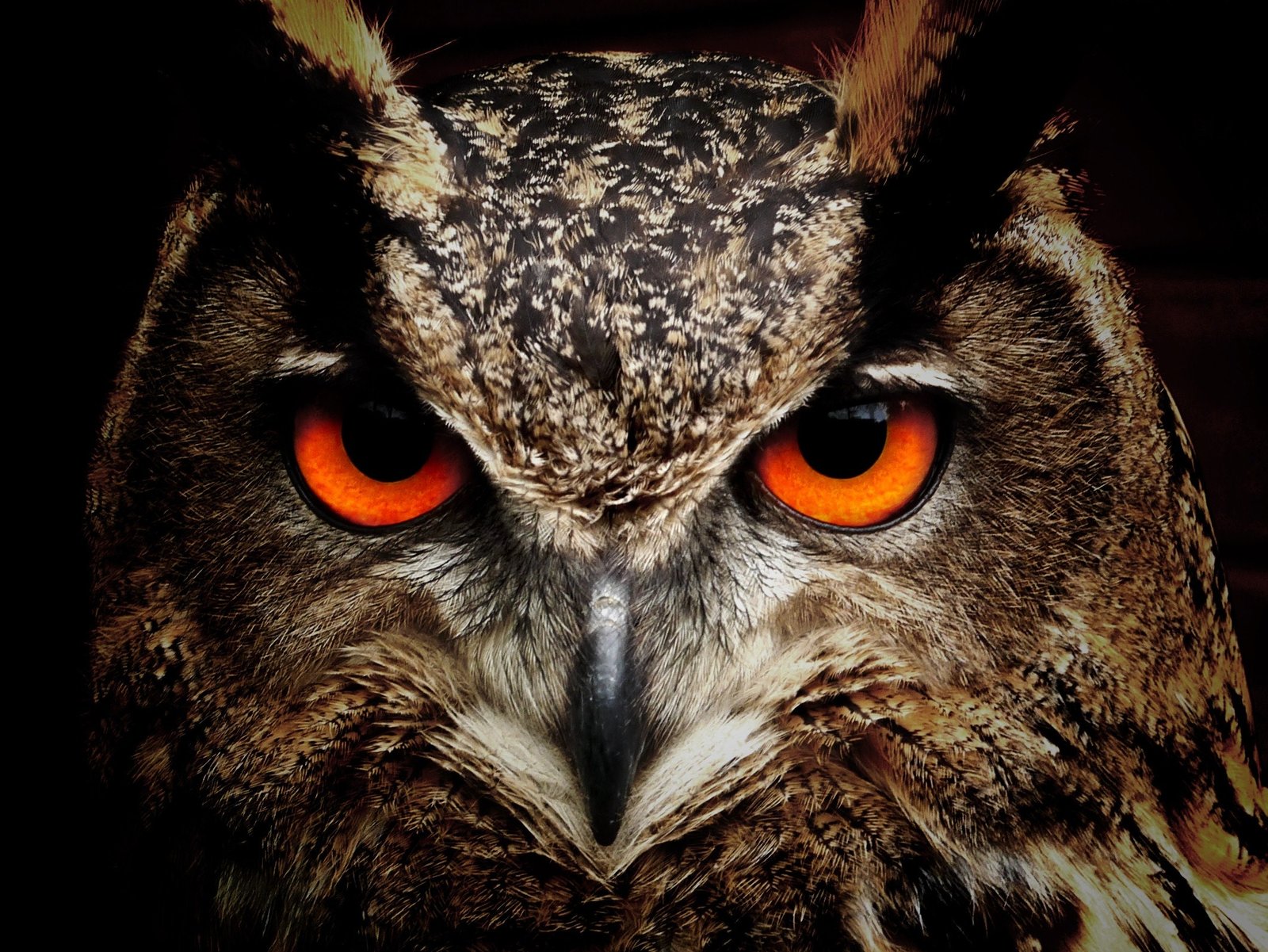
Introduction: Owls are fascinating and mysterious creatures that play a vital role in balancing ecosystems. If you're keen on attracting these majestic birds to your property, it's essential to create suitable owl habitats. In this blog post, we'll be sharing some valuable tips and tricks to help you provide the perfect environment for owls to thrive. 1. Research Owl Species: Different owl species have varying habitat preferences. Before creating an owl habitat, take some time to familiarize yourself with the owls that are native to your area. This knowledge will allow you to tailor your habitat to accommodate their specific needs. 2. Provide Sufficient Shelter: Owls need a safe and secure place to roost and nest. Installing owl boxes or tree cavities can mimic their natural habitat and provide them with adequate shelter. Ensure that the boxes are securely fastened and placed in areas that are least likely to be disturbed. 3. Preserve Native Vegetation: Owls greatly benefit from an environment that supports an abundance of native vegetation. Native trees and shrubs provide natural food sources and serve as hunting grounds for small mammals and insects that owls feed on. Avoid using pesticides and herbicides to maintain a healthy ecosystem. 4. Create Habitat Diversity: Owls, like many other bird species, thrive in diverse habitats. Incorporate a variety of tree sizes and species in your landscape to provide nesting options and perching spots. This diversity of vegetation will also attract a wide range of prey, making your owl habitat more attractive to potential residents. 5. Implement Suitable Perches: Owls rely on elevated perches for hunting and surveying their surroundings. Incorporate dead trees or tall poles into your habitat design to provide these perching opportunities. Additionally, ensure that these perches are away from potential hazards such as power lines or roads. 6. Create a Buffer Zone: To protect the owl habitat from human disturbance, consider creating a buffer zone around it. This can be done by limiting human activity, noise, and artificial lighting in the area. By minimizing disturbances, you create a peaceful environment that is more likely to attract and sustain owl populations. 7. Provide a Water Source: Water is essential for all living beings, including owls. Incorporate a birdbath, pond, or other water features in your habitat design. This will not only provide owls with a drinking source but also attract other beneficial wildlife to support the entire ecosystem. 8. Be Patient: Creating an owl habitat takes time. It may take several seasons before owls discover and decide to inhabit your site. Be patient and allow nature to take its course. In the meantime, maintain the habitat by regularly cleaning and checking owl boxes and preserving the healthy vegetation. Conclusion: Creating the ideal owl habitat requires careful planning and implementation. By providing suitable shelter, preserving native vegetation, and implementing habitat diversity, you increase the chances of attracting these incredible birds to your property. Remember to be patient and allow nature to take its course as owls gradually discover and make your habitat their home. By doing so, you contribute to the conservation and preservation of these beautiful creatures.
Leave a Comment:
SEARCH
Recent News
- Zurich, Switzerland is not only known for its picturesque landscapes and vibrant culture but also for its diverse wildlife. While the city may be more commonly associated with its financial sector and luxury shopping, there are some rare and fascinating animals that call Zurich home.
- YouTube Content Creation: Showcasing Rare Animals through Translation
- If you are a nature enthusiast and love learning about rare and exotic animals, there are several YouTube channels dedicated to showcasing these fascinating creatures in their natural habitats. These channels provide a unique opportunity to educate yourself about lesser-known species and the importance of conservation efforts.
- The Importance of Developing Rare Skills Like a Rare Animal in the Workplace
- Women in Politics: Breaking Barriers and Making History
- Warsaw, the capital city of Poland, is not only known for its rich history and beautiful architecture but also for its unique and diverse wildlife. Despite being a bustling urban center, Warsaw is home to some rare and fascinating animals that can be found in various parks, forests, and reserves in and around the city.
- Vietnam is a country known for its rich culture, beautiful landscapes, and delicious cuisine. However, it is also home to a variety of rare and endangered animals that are found nowhere else in the world. In recent years, some Vietnamese businesses and companies have taken initiatives to help protect these precious species and their habitats.
- Vienna, the capital city of Austria, is known for its rich history, stunning architecture, and vibrant cultural scene. But did you know that Vienna is also home to a variety of rare and interesting animals? From exotic species at the Vienna Zoo to elusive wildlife in the surrounding countryside, there are plenty of fascinating creatures to discover in and around this beautiful city.
READ MORE
11 months ago Category : owlo

Zurich, Switzerland is not only known for its picturesque landscapes and vibrant culture but also for its diverse wildlife. While the city may be more commonly associated with its financial sector and luxury shopping, there are some rare and fascinating animals that call Zurich home.
Read More →11 months ago Category : owlo

YouTube Content Creation: Showcasing Rare Animals through Translation
Read More →11 months ago Category : owlo

If you are a nature enthusiast and love learning about rare and exotic animals, there are several YouTube channels dedicated to showcasing these fascinating creatures in their natural habitats. These channels provide a unique opportunity to educate yourself about lesser-known species and the importance of conservation efforts.
Read More →11 months ago Category : owlo
