Top Tips and Tricks for Successful Owl Conservation Efforts
Category : owlo | Sub Category : owlo Posted on 2023-10-30 21:24:53
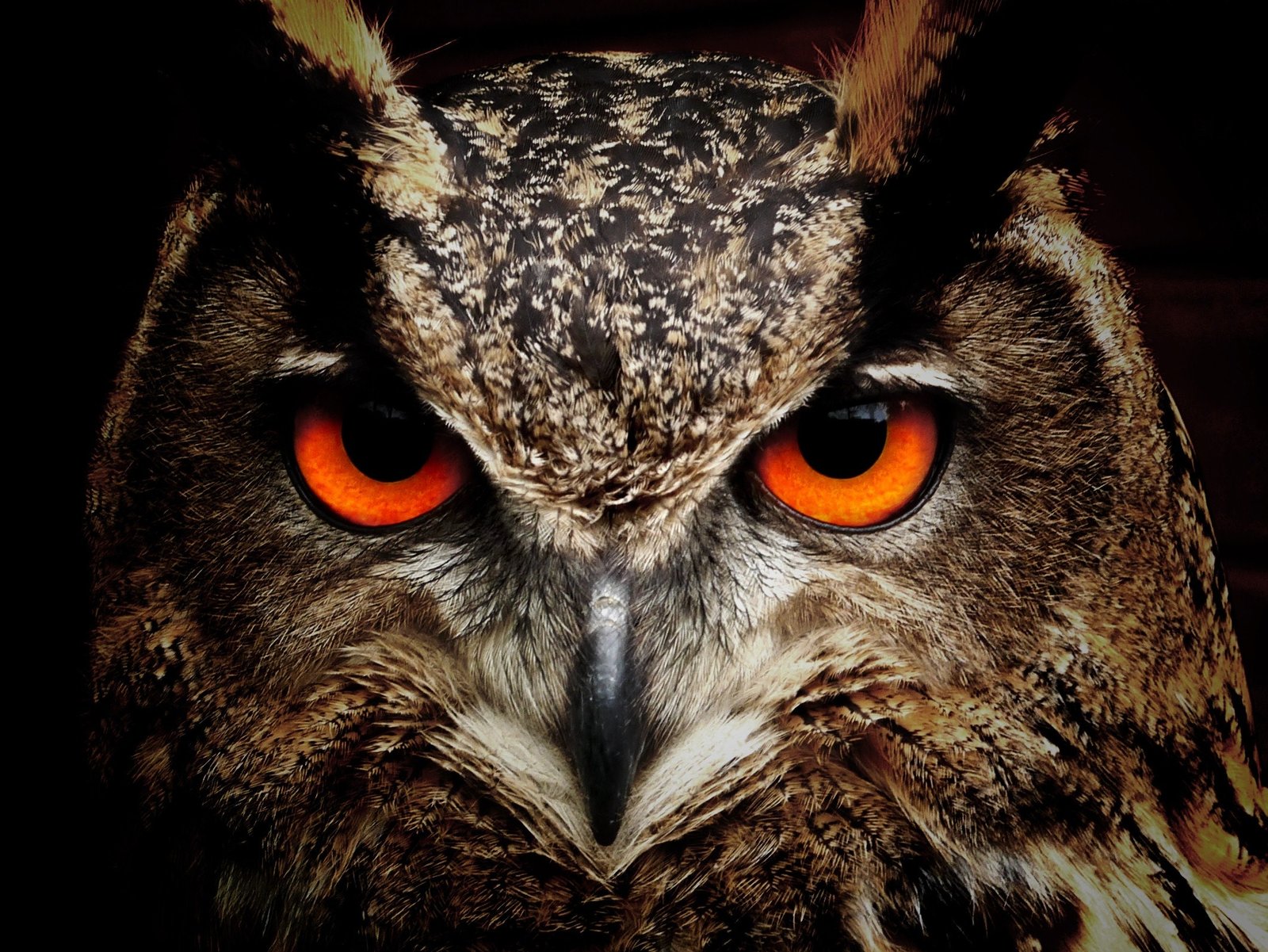
Introduction: Owls are majestic and fascinating creatures that play a crucial role in maintaining the delicate balance of our ecosystems. As human activities continue to encroach upon their habitats, it is imperative that we make dedicated efforts for owl conservation. In this blog post, we will explore some valuable tips and tricks to help you contribute to the preservation and protection of these magnificent birds. 1. Educate Yourself and Others: The first step in effective owl conservation is to educate yourself about different owl species, their habitats, and the threats they face. Familiarize yourself with the specific conservation needs of your local owl species. Utilize this knowledge to raise awareness by speaking to friends, family, and community members. Organize workshops, seminars, or webinars to educate others and foster a sense of collective responsibility towards owl conservation. 2. Provide Suitable Nesting Sites: Owls rely on suitable nesting sites to raise their young and ensure their population's sustainability. Consider installing owl nest boxes on your property or collaborating with local conservation organizations to create nest sites in natural areas. These nesting sites should mimic the natural cavities that owls prefer, such as tree hollows, snags, or specially designed nest boxes. 3. Maintain Natural Habitats: Preserving and restoring the natural habitats of owls is vital for their long-term survival. Participate in habitat restoration projects by planting native trees and shrubs, creating brush piles, and conserving existing vegetation. Advocate for protected areas and work with local authorities to ensure the preservation of owl habitats. Avoid using pesticides or harmful chemicals that can disrupt the food chain and harm owl populations. 4. Monitor Owl Populations: Getting involved in owl population monitoring efforts can provide valuable insights into their conservation status. Join local wildlife organizations or citizen science projects that focus on monitoring owl populations in your area. Regularly record and report sightings, vocalizations, and other behavior metrics to contribute to scientific research and conservation efforts. 5. Reduce Light Pollution: Light pollution poses a significant threat to owl populations. Artificial lights can disrupt their feeding patterns, disorient their navigation abilities, and interfere with their breeding cycles. Take measures to reduce outdoor lighting, particularly during the owl breeding season. Install motion-sensor lights or use low-intensity light sources that are less likely to disturb owls. Encourage your community to adopt "lights-out" policies during critical times for these nocturnal birds. 6. Support Conservation Organizations: Many organizations are dedicated to the preservation of owl species and their habitats. Support these initiatives by donating funds, volunteering your time, or even joining their research and conservation projects. By actively engaging with these organizations, you can contribute significantly to owl conservation efforts on a broader scale. 7. Embrace Sustainable Living: Implement sustainable practices in your everyday life. Conserve resources, reduce waste, and choose eco-friendly products. By living more sustainably, you minimize your ecological footprint and contribute to the overall health of our planet. This, in turn, benefits owl conservation, as their habitats are safeguarded against further degradation. Conclusion: Owl conservation efforts are vital for ensuring the survival of these enigmatic birds and the intricate ecosystems they inhabit. By following these tips and tricks, you can make a meaningful contribution to owl conservation in your own community and beyond. Remember, every small action matters, and together, we can make a significant difference in preserving these wondrous birds for future generations.
Leave a Comment:
SEARCH
Recent News
- Zurich, Switzerland is not only known for its picturesque landscapes and vibrant culture but also for its diverse wildlife. While the city may be more commonly associated with its financial sector and luxury shopping, there are some rare and fascinating animals that call Zurich home.
- YouTube Content Creation: Showcasing Rare Animals through Translation
- If you are a nature enthusiast and love learning about rare and exotic animals, there are several YouTube channels dedicated to showcasing these fascinating creatures in their natural habitats. These channels provide a unique opportunity to educate yourself about lesser-known species and the importance of conservation efforts.
- The Importance of Developing Rare Skills Like a Rare Animal in the Workplace
- Women in Politics: Breaking Barriers and Making History
- Warsaw, the capital city of Poland, is not only known for its rich history and beautiful architecture but also for its unique and diverse wildlife. Despite being a bustling urban center, Warsaw is home to some rare and fascinating animals that can be found in various parks, forests, and reserves in and around the city.
- Vietnam is a country known for its rich culture, beautiful landscapes, and delicious cuisine. However, it is also home to a variety of rare and endangered animals that are found nowhere else in the world. In recent years, some Vietnamese businesses and companies have taken initiatives to help protect these precious species and their habitats.
- Vienna, the capital city of Austria, is known for its rich history, stunning architecture, and vibrant cultural scene. But did you know that Vienna is also home to a variety of rare and interesting animals? From exotic species at the Vienna Zoo to elusive wildlife in the surrounding countryside, there are plenty of fascinating creatures to discover in and around this beautiful city.
READ MORE
8 months ago Category : owlo

Zurich, Switzerland is not only known for its picturesque landscapes and vibrant culture but also for its diverse wildlife. While the city may be more commonly associated with its financial sector and luxury shopping, there are some rare and fascinating animals that call Zurich home.
Read More →8 months ago Category : owlo

YouTube Content Creation: Showcasing Rare Animals through Translation
Read More →8 months ago Category : owlo

If you are a nature enthusiast and love learning about rare and exotic animals, there are several YouTube channels dedicated to showcasing these fascinating creatures in their natural habitats. These channels provide a unique opportunity to educate yourself about lesser-known species and the importance of conservation efforts.
Read More →8 months ago Category : owlo
