The Ingenious Owl Breeding and Nesting Habits in the USA
Category : owlo | Sub Category : owlo Posted on 2023-10-30 21:24:53
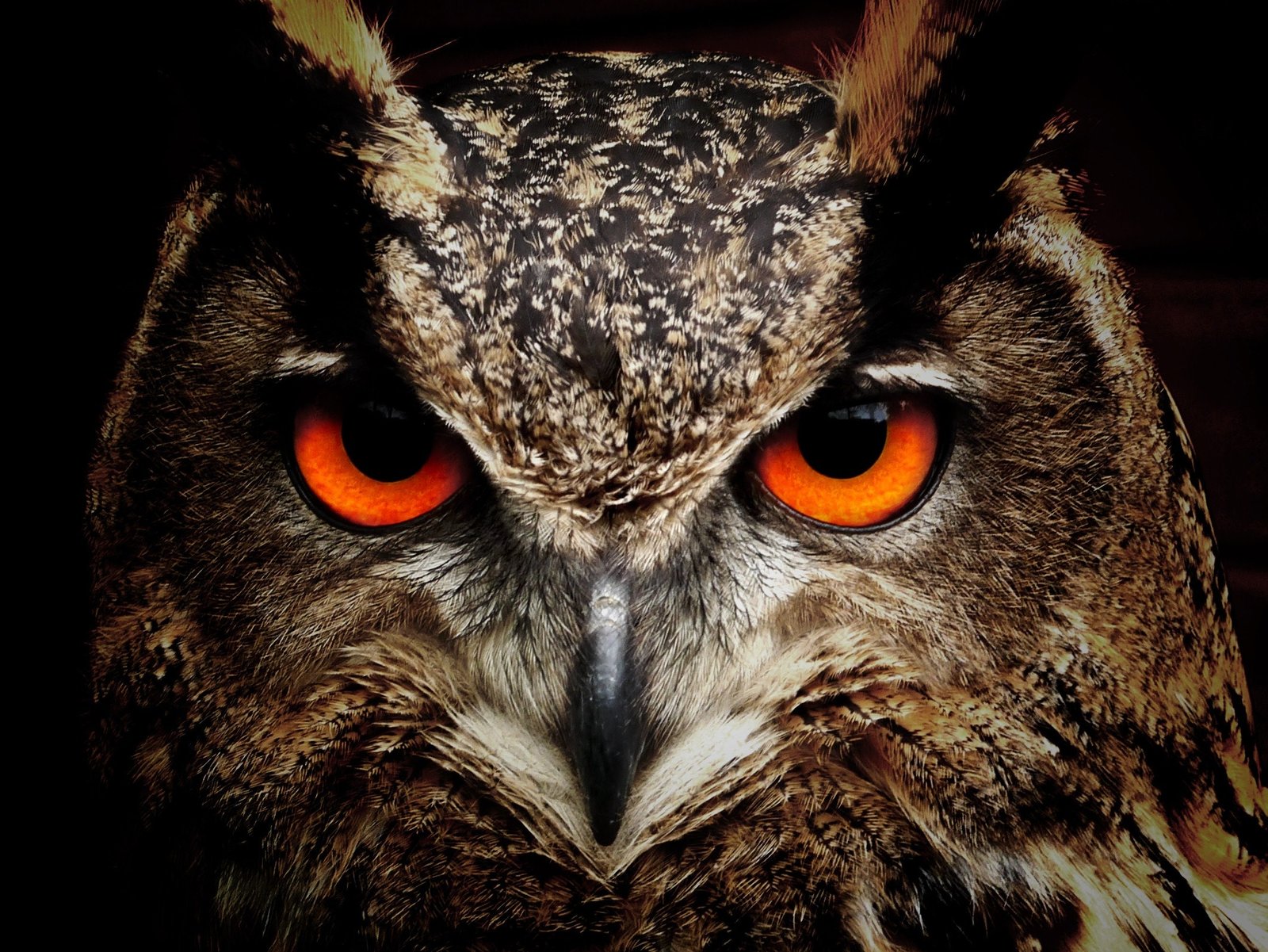
Introduction: In the vast wilderness of the United States, there exists a diverse range of ecosystems perfect for a magnificent creature known as the owl. These mysterious birds captivate us with their piercing nocturnal eyes and silent flight. But there's more to these fascinating creatures than meets the eye. In this blog post, we will explore the intricate breeding and nesting habits of owls that call the USA their home. 1. Courtship and Pair Bonding: Owls are known for their monogamous mating habits, meaning they stay with their partners for life. Before breeding, owls engage in elaborate courtship rituals that involve lots of vocalizations, head movements, and impressive aerial displays. These displays not only establish the pair bond but also help in territorial defense. 2. Nesting Preferences: When it comes to selecting the perfect nesting site, owls have specific preferences. Different owl species have different nesting habits, but most commonly, they prefer tree cavities, old nests of other birds, or even abandoned buildings. Some species, like the burrowing owl, nest in the ground, while others, such as the great horned owl, nest on cliff ledges. 3. Nest Construction: The effort that goes into constructing an owl's nest is remarkable. While many species rely on existing structures or natural cavities, they often line the nests with soft materials such as feathers, moss, leaves, or even fur. Owls are meticulous builders, ensuring their nests are secure and comfortable for raising their young. 4. Egg Laying and Incubation: Once the nest is ready, the female owl lays her eggs, usually one at a time, with intervals of a few days. The number of eggs laid can vary depending on the species, ranging from two to a dozen. The female takes the primary responsibility of incubating the eggs to ensure they remain warm and protected, while the male provides food for her during this time. 5. Hatching and Nestling Care: After an average incubation period of around a month, the eggs hatch, revealing fluffy and helpless nestlings. Owls are excellent parents, and both the male and female diligently care for their young. The parents take turns hunting and feeding the chicks a diet predominantly consisting of rodents, insects, and sometimes even small reptiles or other birds. 6. Fledging and Independence: As the nestlings grow and develop, they eventually reach a stage where they are ready to leave the nest. This process, called fledging, involves the young owls venturing out of the nest to nearby branches, developing their flight and hunting skills. The parents continue to provide food and guidance to their fledglings until they become independent hunters themselves. Conclusion: Owls are extraordinary creatures that have adapted to a variety of habitats in the United States. Their unique breeding and nesting habits showcase their intelligence and resilience. By understanding and appreciating these behaviors, we can better protect and conserve owl populations across the country. So, next time you spot an owl or come across their nesting sites, take a moment to marvel at the wonders of nature and the incredible journey of these magnificent birds. Have a look at the following website to get more information http://www.luciari.com Seeking answers? You might find them in http://www.wootalyzer.com Explore this subject in detail with http://www.fastntech.com Discover new insights by reading http://www.keralachessyoutubers.com
Leave a Comment:
SEARCH
Recent News
- Zurich, Switzerland is not only known for its picturesque landscapes and vibrant culture but also for its diverse wildlife. While the city may be more commonly associated with its financial sector and luxury shopping, there are some rare and fascinating animals that call Zurich home.
- YouTube Content Creation: Showcasing Rare Animals through Translation
- If you are a nature enthusiast and love learning about rare and exotic animals, there are several YouTube channels dedicated to showcasing these fascinating creatures in their natural habitats. These channels provide a unique opportunity to educate yourself about lesser-known species and the importance of conservation efforts.
- The Importance of Developing Rare Skills Like a Rare Animal in the Workplace
- Women in Politics: Breaking Barriers and Making History
- Warsaw, the capital city of Poland, is not only known for its rich history and beautiful architecture but also for its unique and diverse wildlife. Despite being a bustling urban center, Warsaw is home to some rare and fascinating animals that can be found in various parks, forests, and reserves in and around the city.
- Vietnam is a country known for its rich culture, beautiful landscapes, and delicious cuisine. However, it is also home to a variety of rare and endangered animals that are found nowhere else in the world. In recent years, some Vietnamese businesses and companies have taken initiatives to help protect these precious species and their habitats.
- Vienna, the capital city of Austria, is known for its rich history, stunning architecture, and vibrant cultural scene. But did you know that Vienna is also home to a variety of rare and interesting animals? From exotic species at the Vienna Zoo to elusive wildlife in the surrounding countryside, there are plenty of fascinating creatures to discover in and around this beautiful city.
READ MORE
3 months ago Category : owlo

Zurich, Switzerland is not only known for its picturesque landscapes and vibrant culture but also for its diverse wildlife. While the city may be more commonly associated with its financial sector and luxury shopping, there are some rare and fascinating animals that call Zurich home.
Read More →3 months ago Category : owlo

YouTube Content Creation: Showcasing Rare Animals through Translation
Read More →3 months ago Category : owlo

If you are a nature enthusiast and love learning about rare and exotic animals, there are several YouTube channels dedicated to showcasing these fascinating creatures in their natural habitats. These channels provide a unique opportunity to educate yourself about lesser-known species and the importance of conservation efforts.
Read More →3 months ago Category : owlo
