Survey Contribution: Exploring Owl Anatomy and Physiology
Category : owlo | Sub Category : owlo Posted on 2023-10-30 21:24:53
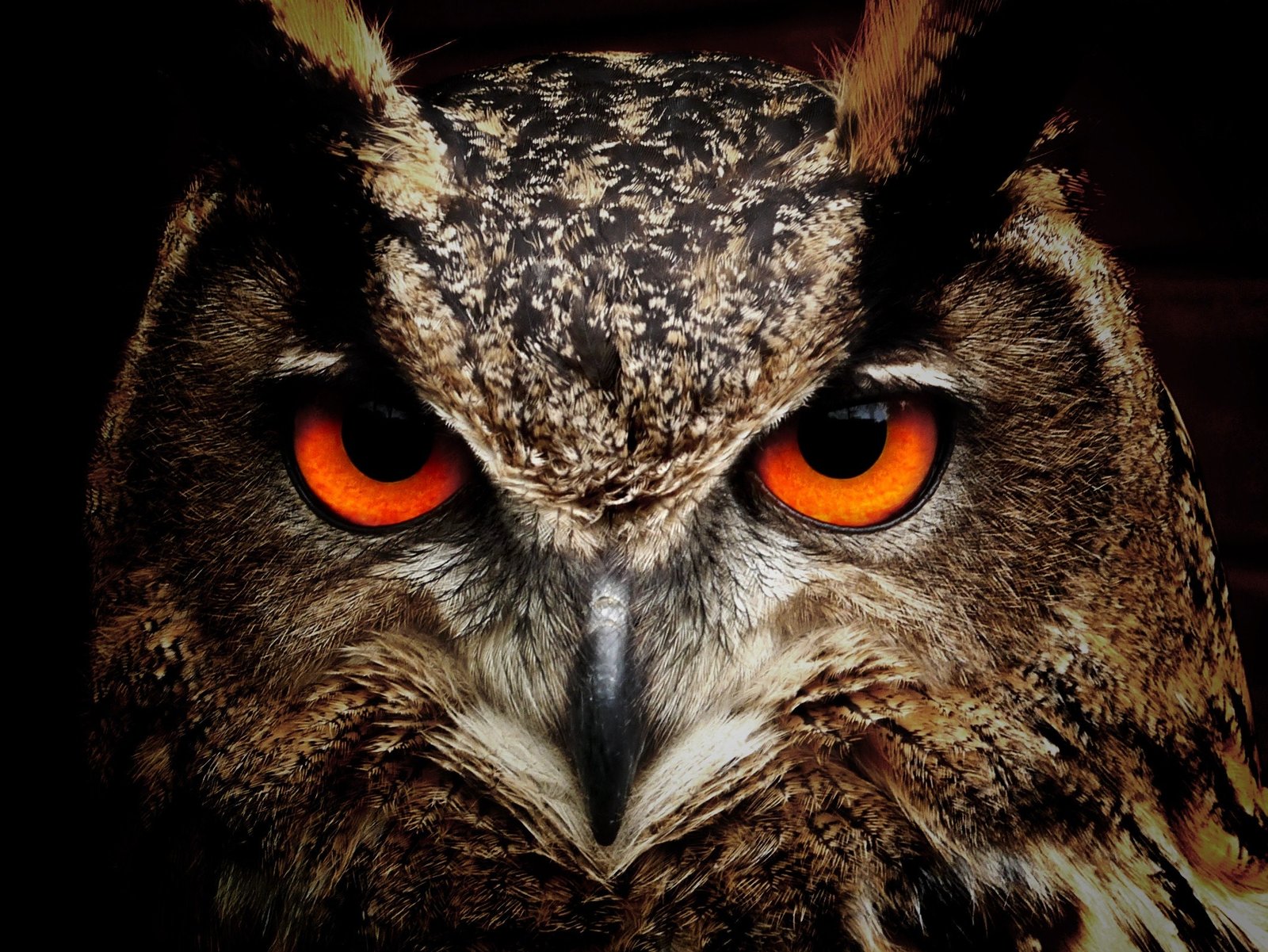
Introduction: Owls are fascinating creatures that have captivated our imaginations for centuries. From their silent flight to their mesmerizing eyes, these birds of prey have a unique place in the natural world. In this blog post, we will delve into the anatomy and physiology of owls, exploring their remarkable adaptations and how they contribute to their survival and success. 1. Feathers: One of the most distinctive features of owls is their feathers. Owls possess specialized feathers that enable them to fly silently through the night sky. These feathers have comb-like serrations on their leading edges, which help break down turbulence and muffle sound. This adaptation allows them to approach their prey undetected, giving them a significant advantage as predators. 2. Eyes and Vision: Owls are known for their exceptional night vision, allowing them to hunt effectively in the darkness. Their large eyes are positioned at the front of their heads, providing them with binocular vision and depth perception. Additionally, their eyes are tubular in shape, which enhances their ability to focus on distant objects. The owl's eyes are so well-adapted to low-light conditions that they can see prey in near-total darkness. 3. Hearing: Owls have remarkable hearing capabilities that aid them in hunting. Their facial disc, a ring of feathers surrounding the eyes and beak, plays a crucial role in funneling sound towards their ears. Unlike humans, owls rely on their hearing more than their sight when hunting. Their ears are asymmetrical, with one ear slightly higher than the other. This arrangement allows them to accurately triangulate the source of a sound, pinpointing the location of their prey with incredible accuracy. 4. Talons and Beaks: To catch and kill their prey, owls have powerful talons and sharp beaks. Their talons are curved and razor-sharp, enabling them to grasp and immobilize prey effectively. Owls have strong, muscular feet capable of exerting a tremendous amount of pressure. Once their prey is caught, the owl's beak comes into play, tearing the prey apart into manageable pieces. 5. Digestive System: The digestive system of owls is unique and adapted to their carnivorous diet. Owls cannot digest bones, fur, or feathers, so they regurgitate these indigestible parts in the form of pellets. These owl pellets contain valuable information for scientists, as they can be dissected to identify the species and quantity of prey consumed. Conclusion: Understanding the anatomy and physiology of owls provides insight into their remarkable adaptations and survival strategies. From their specialized feathers and silent flight to their exceptional vision and hearing, every aspect of an owl's anatomy has evolved to enable successful nocturnal hunting. By studying and appreciating these awe-inspiring creatures, we gain a deeper appreciation for the complexity and diversity of the natural world. For an alternative viewpoint, explore http://www.surveyoption.com For a broader perspective, don't miss http://www.surveyoutput.com
Leave a Comment:
SEARCH
Recent News
- Zurich, Switzerland is not only known for its picturesque landscapes and vibrant culture but also for its diverse wildlife. While the city may be more commonly associated with its financial sector and luxury shopping, there are some rare and fascinating animals that call Zurich home.
- YouTube Content Creation: Showcasing Rare Animals through Translation
- If you are a nature enthusiast and love learning about rare and exotic animals, there are several YouTube channels dedicated to showcasing these fascinating creatures in their natural habitats. These channels provide a unique opportunity to educate yourself about lesser-known species and the importance of conservation efforts.
- The Importance of Developing Rare Skills Like a Rare Animal in the Workplace
- Women in Politics: Breaking Barriers and Making History
- Warsaw, the capital city of Poland, is not only known for its rich history and beautiful architecture but also for its unique and diverse wildlife. Despite being a bustling urban center, Warsaw is home to some rare and fascinating animals that can be found in various parks, forests, and reserves in and around the city.
- Vietnam is a country known for its rich culture, beautiful landscapes, and delicious cuisine. However, it is also home to a variety of rare and endangered animals that are found nowhere else in the world. In recent years, some Vietnamese businesses and companies have taken initiatives to help protect these precious species and their habitats.
- Vienna, the capital city of Austria, is known for its rich history, stunning architecture, and vibrant cultural scene. But did you know that Vienna is also home to a variety of rare and interesting animals? From exotic species at the Vienna Zoo to elusive wildlife in the surrounding countryside, there are plenty of fascinating creatures to discover in and around this beautiful city.
READ MORE
5 months ago Category : owlo

Zurich, Switzerland is not only known for its picturesque landscapes and vibrant culture but also for its diverse wildlife. While the city may be more commonly associated with its financial sector and luxury shopping, there are some rare and fascinating animals that call Zurich home.
Read More →5 months ago Category : owlo

YouTube Content Creation: Showcasing Rare Animals through Translation
Read More →5 months ago Category : owlo

If you are a nature enthusiast and love learning about rare and exotic animals, there are several YouTube channels dedicated to showcasing these fascinating creatures in their natural habitats. These channels provide a unique opportunity to educate yourself about lesser-known species and the importance of conservation efforts.
Read More →5 months ago Category : owlo
