Capturing the Elegance of Owls: Essential Tips and Tricks for Owl Photography
Category : owlo | Sub Category : owlo Posted on 2023-10-30 21:24:53
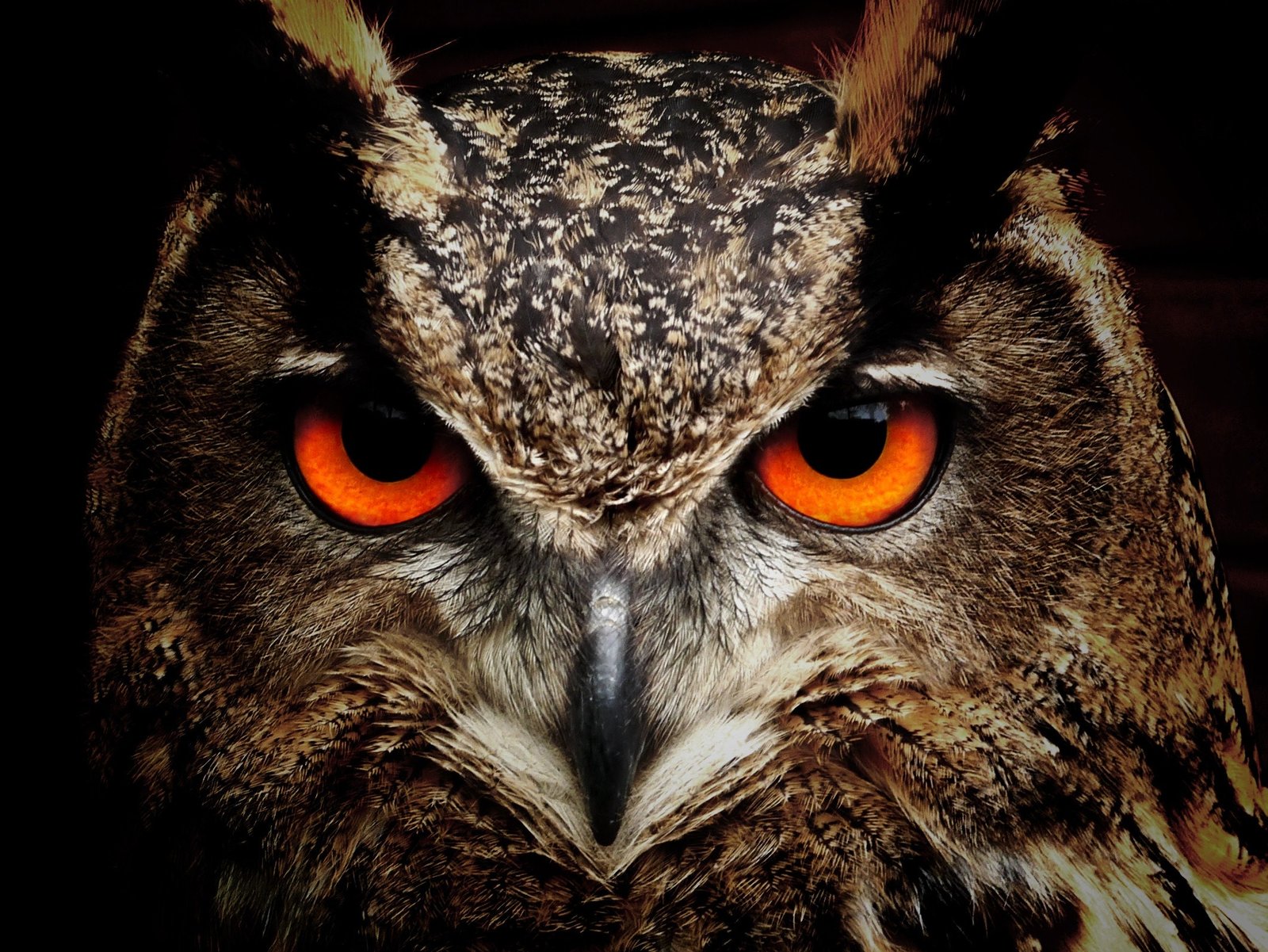
Introduction: Owls are fascinating and majestic creatures, and capturing their beauty through photography can be a rewarding and exciting experience. However, photographing owls can be a challenging endeavor, requiring patience, skill, and a deep understanding of their behavior. In this article, we will discuss some essential tips and tricks to help you take stunning owl photographs that will leave viewers in awe. 1. Choose the Right Equipment: When it comes to owl photography, having the right equipment is crucial. Invest in a sturdy tripod to keep your camera stable during long exposure shots. A telephoto lens with a focal length of at least 300mm is recommended to capture sharp and detailed images of owls from a distance. Additionally, consider using a camera with high ISO capabilities to capture clear and noise-free images, especially in low-light conditions. 2. Timing is Key: Owls are primarily nocturnal creatures, making early morning or evening the best times to photograph them. Research and learn about the specific owl species in your area to understand their behavior patterns, including their preferred hunting and resting times. This knowledge will help you plan your photographic outings accordingly, increasing your chances of capturing owls in action. 3. Scout Owl Habitats: Understanding an owl's habitat is essential for successful photography. Owls have specific nesting and roosting sites, and if you can locate these areas, you will increase your chances of finding and photographing them. Look for areas with dense foliage, such as trees, woods, or meadows, where owls are likely to hunt or rest. Local birding groups or online forums can also provide valuable information about owl sightings in your area. 4. Use Appropriate Settings: Shooting owls requires adjusting your camera settings to the specific conditions you encounter. Set your camera to Aperture Priority mode, which allows you to control the depth of field. A wider aperture (lower f-stop value) will create a shallow depth of field, isolating the owl from its background for a more professional-looking shot. Adjust your ISO settings to maintain a fast shutter speed and avoid blurry images, particularly if the owl is in flight. 5. Be Patient and Respectful: Patience is key when it comes to owl photography. Be prepared to spend long hours waiting for the perfect shot. Approach owl habitats quietly and respectfully, keeping in mind that owls are sensitive to disturbances. Avoid making sudden movements or loud noises that could scare them away. Your patience and respect will pay off with unique and intimate shots of these magnificent birds. Conclusion: Owl photography requires a combination of technical skill, research, and patience. By following these essential tips and tricks, you'll be well-equipped to capture stunning images of owls in their natural habitats. Remember, the key to successful owl photography lies in understanding their behavior, utilizing the right equipment, and perfecting your techniques over time. So, grab your gear, head out into the wild, and get ready to capture the elegance of owls through your lens. Happy shooting! For a broader perspective, don't miss http://www.bestshopcart.com
Leave a Comment:
SEARCH
Recent News
- Zurich, Switzerland is not only known for its picturesque landscapes and vibrant culture but also for its diverse wildlife. While the city may be more commonly associated with its financial sector and luxury shopping, there are some rare and fascinating animals that call Zurich home.
- YouTube Content Creation: Showcasing Rare Animals through Translation
- If you are a nature enthusiast and love learning about rare and exotic animals, there are several YouTube channels dedicated to showcasing these fascinating creatures in their natural habitats. These channels provide a unique opportunity to educate yourself about lesser-known species and the importance of conservation efforts.
- The Importance of Developing Rare Skills Like a Rare Animal in the Workplace
- Women in Politics: Breaking Barriers and Making History
- Warsaw, the capital city of Poland, is not only known for its rich history and beautiful architecture but also for its unique and diverse wildlife. Despite being a bustling urban center, Warsaw is home to some rare and fascinating animals that can be found in various parks, forests, and reserves in and around the city.
- Vietnam is a country known for its rich culture, beautiful landscapes, and delicious cuisine. However, it is also home to a variety of rare and endangered animals that are found nowhere else in the world. In recent years, some Vietnamese businesses and companies have taken initiatives to help protect these precious species and their habitats.
- Vienna, the capital city of Austria, is known for its rich history, stunning architecture, and vibrant cultural scene. But did you know that Vienna is also home to a variety of rare and interesting animals? From exotic species at the Vienna Zoo to elusive wildlife in the surrounding countryside, there are plenty of fascinating creatures to discover in and around this beautiful city.
READ MORE
10 months ago Category : owlo

Zurich, Switzerland is not only known for its picturesque landscapes and vibrant culture but also for its diverse wildlife. While the city may be more commonly associated with its financial sector and luxury shopping, there are some rare and fascinating animals that call Zurich home.
Read More →10 months ago Category : owlo

YouTube Content Creation: Showcasing Rare Animals through Translation
Read More →10 months ago Category : owlo

If you are a nature enthusiast and love learning about rare and exotic animals, there are several YouTube channels dedicated to showcasing these fascinating creatures in their natural habitats. These channels provide a unique opportunity to educate yourself about lesser-known species and the importance of conservation efforts.
Read More →10 months ago Category : owlo
