Discovering the Fascinating Owl Diet and Feeding Habits in Rwanda
Category : owlo | Sub Category : owlo Posted on 2023-10-30 21:24:53
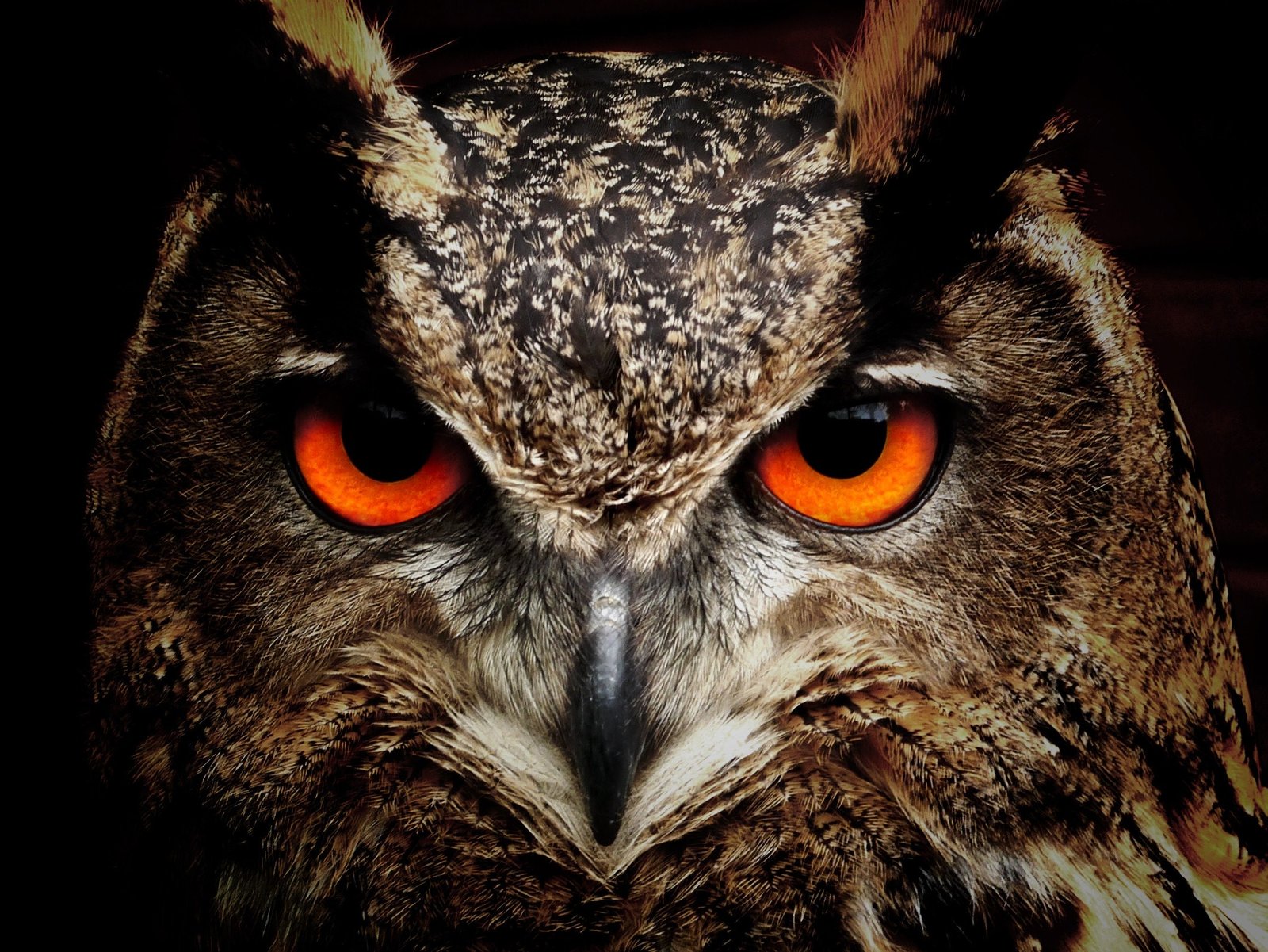
Introduction: When it comes to the diverse and intriguing wildlife of Rwanda, one cannot overlook the remarkable owls inhabiting the country. These nocturnal creatures are not only known for their distinctive appearance but also for their unique diet and feeding habits. In this blog post, we will delve into the world of Rwanda's owl species and explore their fascinating feeding habits. 1. Owl Diet Variations in Rwanda: Rwanda is home to various owl species, each with its own specific dietary preferences. While some owls are generalists, feeding on a wide range of prey, others have specialized diets. Here are a few prominent examples: a. African Scops Owl (Otus senegalensis) This small nocturnal owl primarily feeds on insects such as moths, beetles, and grasshoppers. It uses its exceptional hearing to locate its prey, swooping down silently to snatch them from the vegetation. b. Verreaux's Eagle-Owl (Bubo lacteus) As one of the largest owl species in Rwanda, Verreaux's Eagle-Owl has a more diverse diet. It preys upon small mammals like rodents, hares, and small birds. Additionally, it may also feed on reptiles, including snakes and lizards. c. Pearl-Spotted Owlet (Glaucidium perlatum) This charming owl species is a fierce hunter, primarily targeting small birds, insects, and spiders. Its diet consists of a combination of insects and avian prey, making it a multifaceted predator. 2. Specialized Hunting Techniques: Rwandan owls possess various hunting techniques adapted to their specific prey and habitat. Some notable techniques include: a. Silent Flight: Owls are known for their ability to fly silently, thanks to their specially designed wings. This enables them to surprise their prey without making any noise, giving them a significant advantage during hunting. b. Camouflaged Plumage: Many owl species have remarkable camouflage, blending seamlessly with their surroundings during daylight hours. This allows them to remain inconspicuous while observing their prey, giving them the element of surprise. c. Impressive Vision and Hearing: Owls have exceptional vision, with some species having the ability to see in almost complete darkness. Additionally, their hearing is second to none, owing to asymmetrical ear positions that help them accurately locate prey even in dense vegetation. 3. Conservation Considerations: While these owls have adapted well to their unique feeding habits and environment, they face some conservation challenges. Factors such as habitat loss, deforestation, and climate change can impact their food availability and overall survival. Education and conservation efforts are vital to preserve these beautiful creatures and their essential role within the ecosystem. Conclusion: Rwanda's owl species are not only intriguing in appearance but also in their diet and feeding habits. From specializing in certain prey to utilizing unique hunting techniques, these nocturnal creatures are exemplars of adaptation. By understanding and appreciating their dietary preferences, we can contribute to the conservation of Rwanda's owls and ensure their survival for generations to come.
Leave a Comment:
SEARCH
Recent News
- Zurich, Switzerland is not only known for its picturesque landscapes and vibrant culture but also for its diverse wildlife. While the city may be more commonly associated with its financial sector and luxury shopping, there are some rare and fascinating animals that call Zurich home.
- YouTube Content Creation: Showcasing Rare Animals through Translation
- If you are a nature enthusiast and love learning about rare and exotic animals, there are several YouTube channels dedicated to showcasing these fascinating creatures in their natural habitats. These channels provide a unique opportunity to educate yourself about lesser-known species and the importance of conservation efforts.
- The Importance of Developing Rare Skills Like a Rare Animal in the Workplace
- Women in Politics: Breaking Barriers and Making History
- Warsaw, the capital city of Poland, is not only known for its rich history and beautiful architecture but also for its unique and diverse wildlife. Despite being a bustling urban center, Warsaw is home to some rare and fascinating animals that can be found in various parks, forests, and reserves in and around the city.
- Vietnam is a country known for its rich culture, beautiful landscapes, and delicious cuisine. However, it is also home to a variety of rare and endangered animals that are found nowhere else in the world. In recent years, some Vietnamese businesses and companies have taken initiatives to help protect these precious species and their habitats.
- Vienna, the capital city of Austria, is known for its rich history, stunning architecture, and vibrant cultural scene. But did you know that Vienna is also home to a variety of rare and interesting animals? From exotic species at the Vienna Zoo to elusive wildlife in the surrounding countryside, there are plenty of fascinating creatures to discover in and around this beautiful city.
READ MORE
11 months ago Category : owlo

Zurich, Switzerland is not only known for its picturesque landscapes and vibrant culture but also for its diverse wildlife. While the city may be more commonly associated with its financial sector and luxury shopping, there are some rare and fascinating animals that call Zurich home.
Read More →11 months ago Category : owlo

YouTube Content Creation: Showcasing Rare Animals through Translation
Read More →11 months ago Category : owlo

If you are a nature enthusiast and love learning about rare and exotic animals, there are several YouTube channels dedicated to showcasing these fascinating creatures in their natural habitats. These channels provide a unique opportunity to educate yourself about lesser-known species and the importance of conservation efforts.
Read More →11 months ago Category : owlo
