The Dietary Needs and Feeding Habits of Pet Owls
Category : owlo | Sub Category : owlo Posted on 2023-10-30 21:24:53
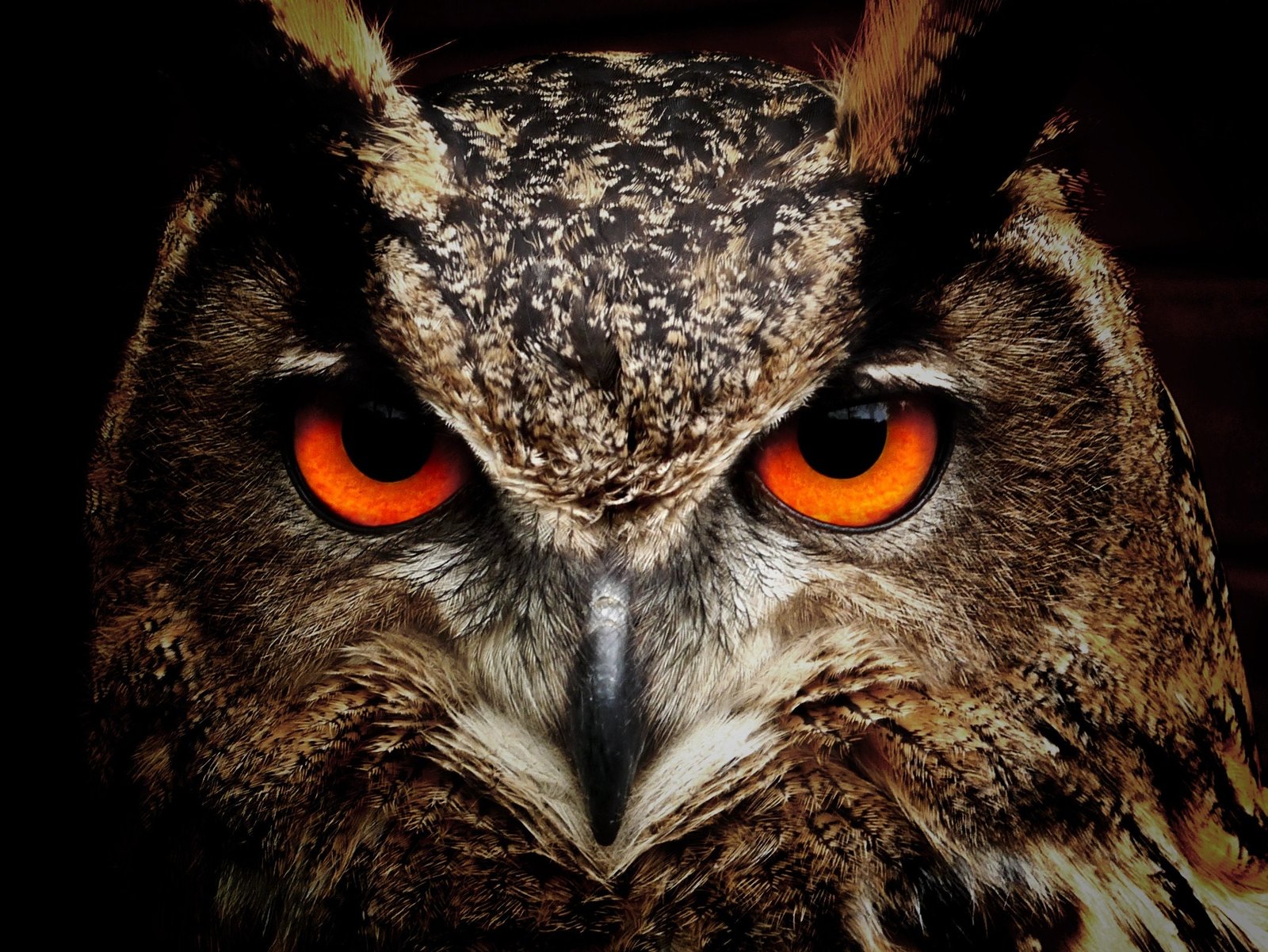
Introduction: Owning a pet owl can be a unique and rewarding experience. However, it's essential to understand their dietary needs and feeding habits to ensure their health and well-being. In this blog post, we will explore the owl diet and provide essential information on how to feed your pet owl correctly. Understanding the Natural Diet of Owls: In the wild, owls are carnivorous birds and primarily survive on a diet of small mammals, birds, and sometimes reptiles or amphibians. Their hunting techniques involve a combination of sight and sound, as their exceptional hearing allows them to locate prey even in complete darkness. Owls have sharp talons and a powerful beak designed for tearing and consuming their food. Feeding Your Pet Owl: When keeping a pet owl, it's crucial to mimic their natural diet as closely as possible. A balanced and nutritious diet is vital for their overall health and longevity. Here are some essential considerations: 1. Commercial Diets: Several commercially prepared owl diets are available in the market, specially formulated to meet the nutritional requirements of pet owls. These diets usually consist of a mix of whole prey items, including mice, rats, quails, or chicks. It is essential to choose a reputable brand that provides high-quality and well-balanced formulations. 2. Whole Prey Items: For some owners, feeding whole prey items to their owls may be more practical and cost-effective. These include live or frozen mice, rats, quails, or even day-old chicks. Offering whole prey options allows your owl to experience a natural feeding behavior and helps stimulate their hunting instincts. 3. Supplementation: To ensure a well-rounded and complete diet, it may be necessary to provide occasional supplementation. This can include vitamin and mineral supplements, calcium powders, or even gut-loading prey items by feeding them nutrient-rich diets before offering them to your owl. Feeding Habits and Schedule: Unlike typical pets, owls are crepuscular or nocturnal animals. They are most active during dawn and dusk, so it's best to feed them during these times. Allow your owl to have a peaceful and secluded eating environment, as they prefer to eat alone. Clean the feeding area regularly to maintain hygiene. Observe your owl's feeding habits closely. Some individuals may consume their entire prey in one sitting, while others may prefer to eat multiple smaller meals over a day. Monitoring your owl's weight and condition is crucial; consult with an avian veterinarian to ensure a healthy body condition and adjust the feeding schedule accordingly. Conclusion: Feeding your pet owl a proper and well-balanced diet is essential for their overall health and well-being. Understanding their natural dietary needs and feeding habits will help create a suitable feeding routine. Whether you choose commercially prepared diets or opt for whole prey items, ensuring a nutritious and varied diet will provide your pet owl with the best chance of living a happy and healthy life. Seeking expert advice? Find it in http://www.qqhbo.com
Leave a Comment:
SEARCH
Recent News
- Zurich, Switzerland is not only known for its picturesque landscapes and vibrant culture but also for its diverse wildlife. While the city may be more commonly associated with its financial sector and luxury shopping, there are some rare and fascinating animals that call Zurich home.
- YouTube Content Creation: Showcasing Rare Animals through Translation
- If you are a nature enthusiast and love learning about rare and exotic animals, there are several YouTube channels dedicated to showcasing these fascinating creatures in their natural habitats. These channels provide a unique opportunity to educate yourself about lesser-known species and the importance of conservation efforts.
- The Importance of Developing Rare Skills Like a Rare Animal in the Workplace
- Women in Politics: Breaking Barriers and Making History
- Warsaw, the capital city of Poland, is not only known for its rich history and beautiful architecture but also for its unique and diverse wildlife. Despite being a bustling urban center, Warsaw is home to some rare and fascinating animals that can be found in various parks, forests, and reserves in and around the city.
- Vietnam is a country known for its rich culture, beautiful landscapes, and delicious cuisine. However, it is also home to a variety of rare and endangered animals that are found nowhere else in the world. In recent years, some Vietnamese businesses and companies have taken initiatives to help protect these precious species and their habitats.
- Vienna, the capital city of Austria, is known for its rich history, stunning architecture, and vibrant cultural scene. But did you know that Vienna is also home to a variety of rare and interesting animals? From exotic species at the Vienna Zoo to elusive wildlife in the surrounding countryside, there are plenty of fascinating creatures to discover in and around this beautiful city.
READ MORE
10 months ago Category : owlo

Zurich, Switzerland is not only known for its picturesque landscapes and vibrant culture but also for its diverse wildlife. While the city may be more commonly associated with its financial sector and luxury shopping, there are some rare and fascinating animals that call Zurich home.
Read More →10 months ago Category : owlo

YouTube Content Creation: Showcasing Rare Animals through Translation
Read More →10 months ago Category : owlo

If you are a nature enthusiast and love learning about rare and exotic animals, there are several YouTube channels dedicated to showcasing these fascinating creatures in their natural habitats. These channels provide a unique opportunity to educate yourself about lesser-known species and the importance of conservation efforts.
Read More →10 months ago Category : owlo
