Owls are fascinating creatures that have long captured the interest and imagination of people around the world. In Pakistan, these nocturnal birds of prey play a crucial role in the ecosystem, controlling the population of rodents and other small animals. Recently, a survey conducted to study the owl population in Pakistan has revealed some interesting findings and highlighted the contribution of these majestic birds to the environment.
Category : owlo | Sub Category : owlo Posted on 2024-09-07 22:25:23
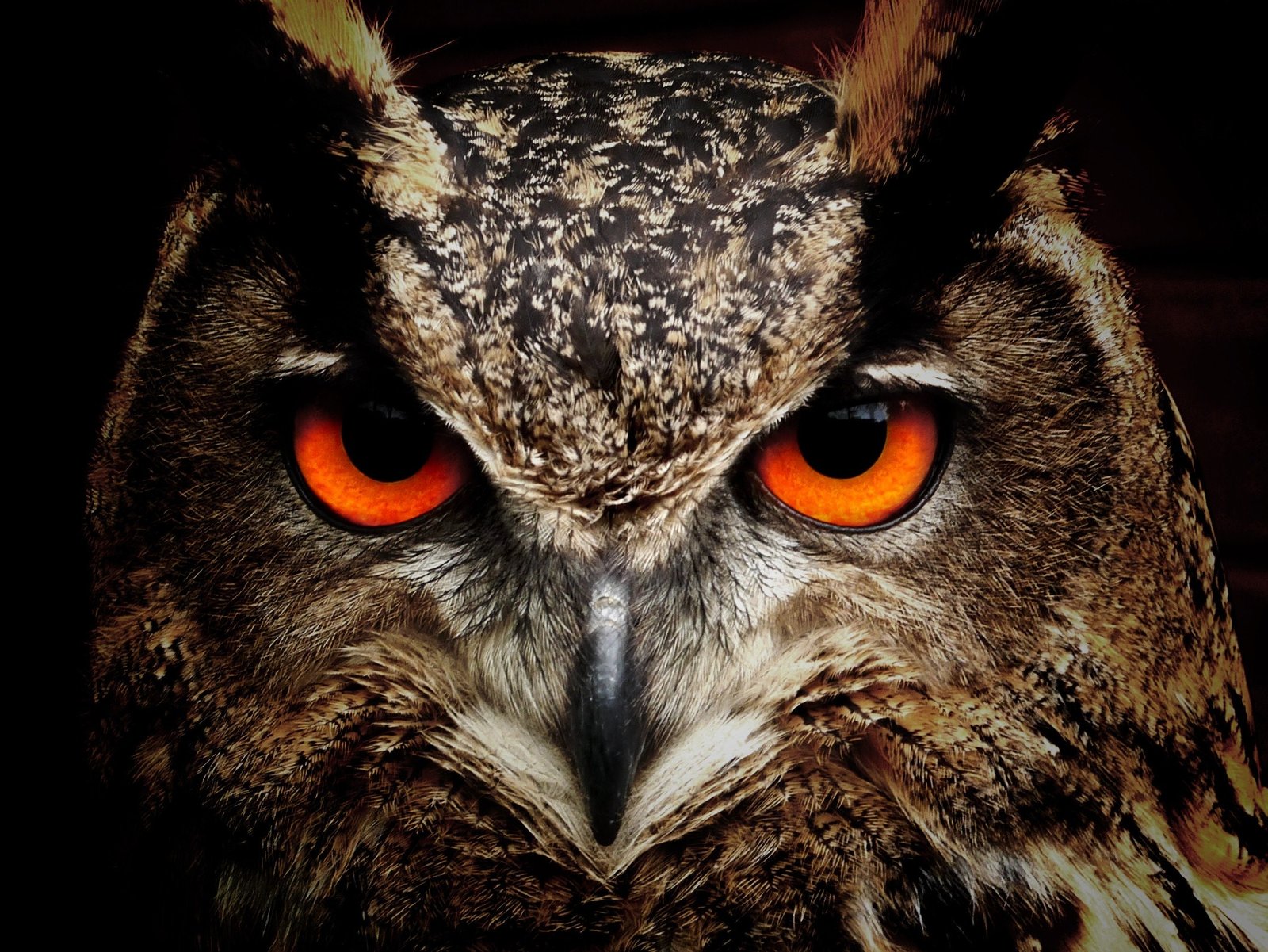
The survey, conducted by a team of researchers and wildlife enthusiasts, aimed to document the different owl species found in various regions of Pakistan and assess their population numbers. The researchers used a combination of field surveys, camera traps, and audio recordings to identify and record the presence of owls in different habitats, including forests, grasslands, and urban areas. One of the key findings of the survey was the rich diversity of owl species present in Pakistan. The researchers documented several species, including the Barn Owl, Spotted Owlet, Little Owl, and Eurasian Eagle-Owl, among others. Each species has its unique characteristics and plays a specific role in the ecosystem. The survey also shed light on the threats facing owl populations in Pakistan. One significant threat is habitat loss due to deforestation, urbanization, and agricultural expansion. Owls rely on suitable habitats for nesting, roosting, and hunting, and any disturbance to these habitats can have a detrimental impact on their populations. Another major threat highlighted by the survey is the illegal wildlife trade. Owls are often captured and sold in illegal wildlife markets for their perceived spiritual significance or as pets. This practice not only disrupts owl populations but also poses a risk to their survival in the wild. Despite these threats, the survey underscored the importance of conserving owl populations in Pakistan. Owls play a vital role in maintaining the ecological balance by keeping pest populations in check. By controlling the numbers of rodents and insects, owls help farmers protect their crops and reduce the need for chemical pesticides. To ensure the continued survival of owls in Pakistan, conservation efforts are essential. This includes the protection of natural habitats, enforcement of wildlife protection laws, and raising awareness about the importance of owls in the ecosystem. By working together to conserve these magnificent birds, we can secure a brighter future for both owls and the environment they inhabit. In conclusion, the owl survey conducted in Pakistan has provided valuable insights into the diversity, threats, and conservation needs of owl populations in the country. By appreciating and protecting these magical creatures, we can contribute to the preservation of biodiversity and the sustainability of our natural world.
Leave a Comment:
SEARCH
Recent News
- Zurich, Switzerland is not only known for its picturesque landscapes and vibrant culture but also for its diverse wildlife. While the city may be more commonly associated with its financial sector and luxury shopping, there are some rare and fascinating animals that call Zurich home.
- YouTube Content Creation: Showcasing Rare Animals through Translation
- If you are a nature enthusiast and love learning about rare and exotic animals, there are several YouTube channels dedicated to showcasing these fascinating creatures in their natural habitats. These channels provide a unique opportunity to educate yourself about lesser-known species and the importance of conservation efforts.
- The Importance of Developing Rare Skills Like a Rare Animal in the Workplace
- Women in Politics: Breaking Barriers and Making History
- Warsaw, the capital city of Poland, is not only known for its rich history and beautiful architecture but also for its unique and diverse wildlife. Despite being a bustling urban center, Warsaw is home to some rare and fascinating animals that can be found in various parks, forests, and reserves in and around the city.
- Vietnam is a country known for its rich culture, beautiful landscapes, and delicious cuisine. However, it is also home to a variety of rare and endangered animals that are found nowhere else in the world. In recent years, some Vietnamese businesses and companies have taken initiatives to help protect these precious species and their habitats.
- Vienna, the capital city of Austria, is known for its rich history, stunning architecture, and vibrant cultural scene. But did you know that Vienna is also home to a variety of rare and interesting animals? From exotic species at the Vienna Zoo to elusive wildlife in the surrounding countryside, there are plenty of fascinating creatures to discover in and around this beautiful city.
READ MORE
8 months ago Category : owlo

Zurich, Switzerland is not only known for its picturesque landscapes and vibrant culture but also for its diverse wildlife. While the city may be more commonly associated with its financial sector and luxury shopping, there are some rare and fascinating animals that call Zurich home.
Read More →8 months ago Category : owlo

YouTube Content Creation: Showcasing Rare Animals through Translation
Read More →8 months ago Category : owlo

If you are a nature enthusiast and love learning about rare and exotic animals, there are several YouTube channels dedicated to showcasing these fascinating creatures in their natural habitats. These channels provide a unique opportunity to educate yourself about lesser-known species and the importance of conservation efforts.
Read More →8 months ago Category : owlo
