Owls are fascinating creatures that have captivated the imagination of humans for centuries. As a veterinary assistant, caring for these majestic birds can be both rewarding and challenging. Here are some helpful tips and tricks for taking care of owls in a veterinary setting:
Category : owlo | Sub Category : owlo Posted on 2024-09-07 22:25:23
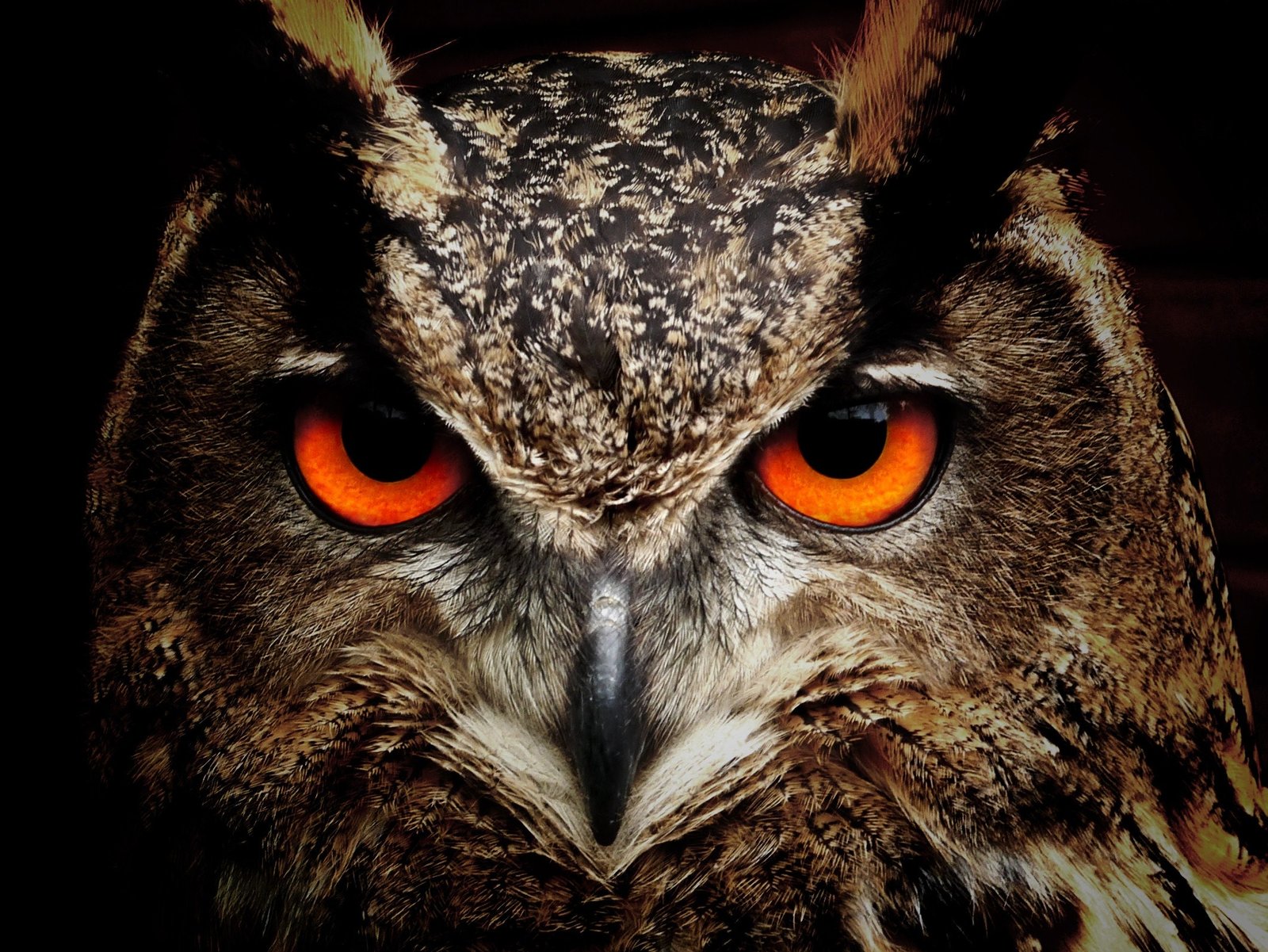
1. Understanding Owl Behavior: Owls are nocturnal creatures with unique behaviors. They are predatory birds with powerful talons and beaks, so it's important to approach them with caution and respect. When handling an owl, always use proper protective gear such as gloves to prevent injuries. 2. Health Checks: Regular health checks are essential to ensure the well-being of owls in veterinary care. Check for any signs of injury, illness, or abnormal behavior during each visit. Monitor their weight, feather condition, and overall body condition to detect any potential health issues early on. 3. Proper Housing: Owls require spacious enclosures that mimic their natural habitat. Provide perches at different heights for them to roost and exercise. Ensure the enclosure is secure to prevent escape and protect them from potential predators. 4. Diet and Nutrition: Owls have specific dietary needs based on their species. Consult with a wildlife biologist or avian specialist to determine the appropriate diet for the owl in your care. Offer a variety of prey items such as mice, rats, and insects to ensure they receive all essential nutrients. 5. Handling and Restraint: When handling an owl, it's crucial to use gentle and proper restraint techniques to avoid causing stress or injury. Avoid gripping their wings or squeezing their body, as this can harm the bird. Practice safe handling methods to ensure the owl feels secure during examinations or procedures. 6. Monitoring Behavior: Owls are skilled at masking signs of illness or injury, so it's important to closely monitor their behavior for any changes. Look for symptoms such as lethargy, decreased appetite, abnormal vocalizations, or changes in posture that may indicate a health issue. 7. Consult with Experts: If you encounter a challenging case or are unsure about the best course of action for an owl in your care, don't hesitate to seek guidance from experienced owl rehabilitators, veterinarians, or wildlife experts. Collaboration with specialists can help ensure the best possible outcome for the owl. By following these tips and tricks, veterinary assistants can provide high-quality care for owls and contribute to their conservation and well-being. Owls are remarkable creatures that deserve our admiration and protection, and with proper care and attention, they can thrive in a veterinary setting. If you are interested you can check the following website https://www.vetbd.com
Leave a Comment:
SEARCH
Recent News
- Zurich, Switzerland is not only known for its picturesque landscapes and vibrant culture but also for its diverse wildlife. While the city may be more commonly associated with its financial sector and luxury shopping, there are some rare and fascinating animals that call Zurich home.
- YouTube Content Creation: Showcasing Rare Animals through Translation
- If you are a nature enthusiast and love learning about rare and exotic animals, there are several YouTube channels dedicated to showcasing these fascinating creatures in their natural habitats. These channels provide a unique opportunity to educate yourself about lesser-known species and the importance of conservation efforts.
- The Importance of Developing Rare Skills Like a Rare Animal in the Workplace
- Women in Politics: Breaking Barriers and Making History
- Warsaw, the capital city of Poland, is not only known for its rich history and beautiful architecture but also for its unique and diverse wildlife. Despite being a bustling urban center, Warsaw is home to some rare and fascinating animals that can be found in various parks, forests, and reserves in and around the city.
- Vietnam is a country known for its rich culture, beautiful landscapes, and delicious cuisine. However, it is also home to a variety of rare and endangered animals that are found nowhere else in the world. In recent years, some Vietnamese businesses and companies have taken initiatives to help protect these precious species and their habitats.
- Vienna, the capital city of Austria, is known for its rich history, stunning architecture, and vibrant cultural scene. But did you know that Vienna is also home to a variety of rare and interesting animals? From exotic species at the Vienna Zoo to elusive wildlife in the surrounding countryside, there are plenty of fascinating creatures to discover in and around this beautiful city.
READ MORE
9 months ago Category : owlo

Zurich, Switzerland is not only known for its picturesque landscapes and vibrant culture but also for its diverse wildlife. While the city may be more commonly associated with its financial sector and luxury shopping, there are some rare and fascinating animals that call Zurich home.
Read More →9 months ago Category : owlo

YouTube Content Creation: Showcasing Rare Animals through Translation
Read More →9 months ago Category : owlo

If you are a nature enthusiast and love learning about rare and exotic animals, there are several YouTube channels dedicated to showcasing these fascinating creatures in their natural habitats. These channels provide a unique opportunity to educate yourself about lesser-known species and the importance of conservation efforts.
Read More →9 months ago Category : owlo
