Debunking Pseudoscience and Quackery: Separating Fact from Fiction about Owls
Category : owlo | Sub Category : owlo Posted on 2023-10-30 21:24:53
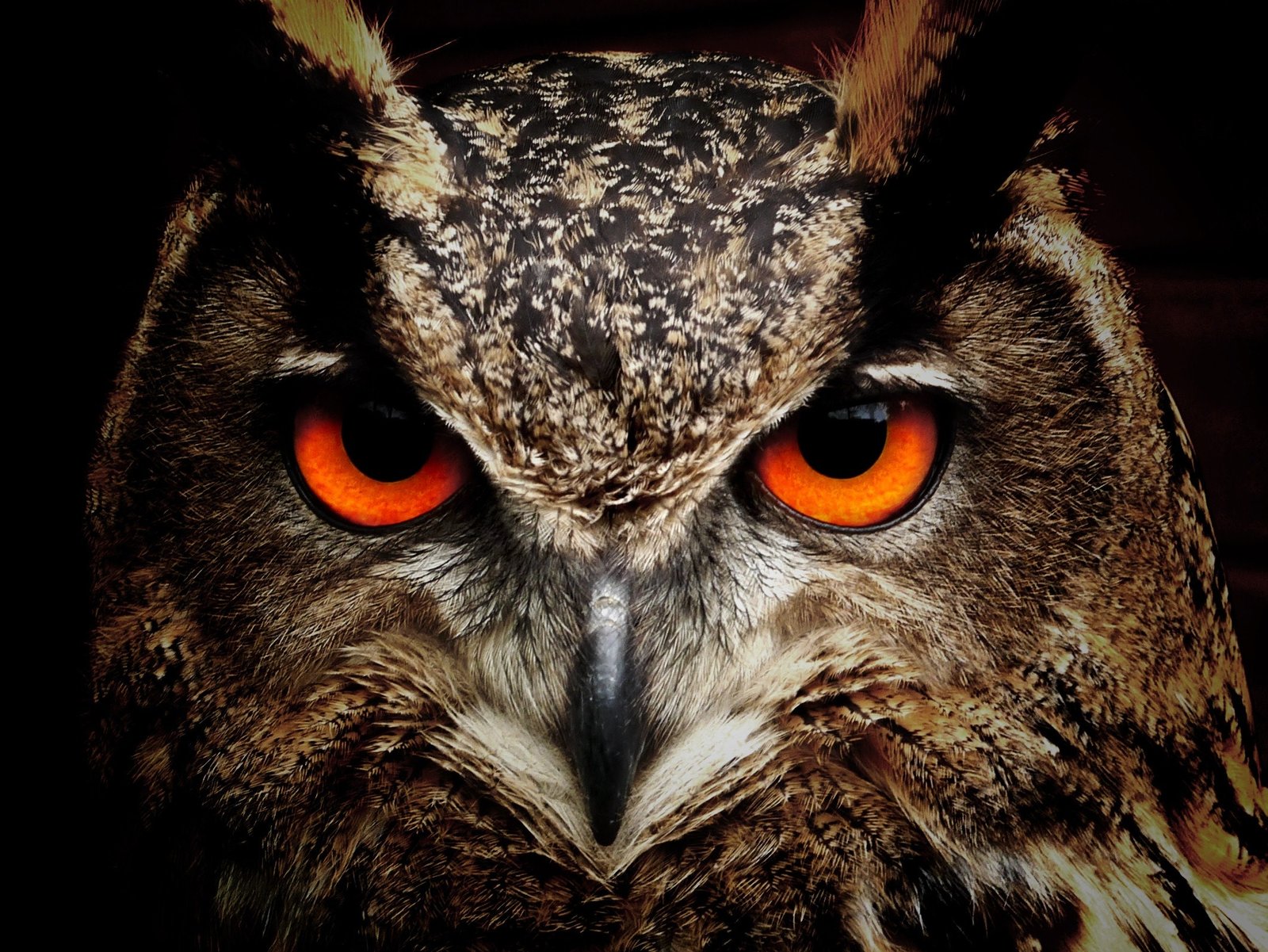
Introduction: Owls, with their mysterious appearances and fascinating behaviors, have captivated humans for centuries. Unfortunately, this fascination has also given rise to numerous pseudoscientific claims and quackery surrounding these majestic creatures. In this article, we will delve into some of the common myths and misconceptions about owls and shed light on the scientific truth behind them. 1. Owls as Harbingers of Death: One pervasive myth surrounding owls is that they are harbingers of death or bring bad luck. This belief is deeply rooted in superstitions and folklore, with no scientific basis whatsoever. Owls are simply predatory birds that play a crucial role in balancing ecosystems by controlling rodent populations. Their nocturnal nature and haunting calls have been misinterpreted as omens by many cultures, but in reality, owls are harmless and beneficial creatures. 2. Owl Sight and Supernatural Powers: Another common misconception is that owls have supernatural vision or possess mystical powers. While it is true that owls have exceptional eyesight and can see in low light conditions, their vision is not supernatural. Owls' large, forward-facing eyes and specialized retina allow them to gather and process more light information, resulting in superior night vision. Additionally, their ability to rotate their heads up to 270 degrees contributes to their remarkable perception, but there is no magic or mysticism involved. 3. Owl Products and Cures: Sadly, owls have also fallen victim to pseudoscience through the commercial trade of owl products for alleged medicinal properties. Across various cultures, owl body parts are wrongly believed to possess healing properties or offer supernatural benefits. The illegal trafficking and consumption of owls and their derivatives have devastating consequences for owl populations worldwide. It is important to promote awareness about the illegal trade and debunk the false claims associated with these practices. 4. Owl Communication and Wisdom: The concept of owls embodying wisdom or being able to communicate cryptic messages is prevalent in mythology and folklore. In reality, owls communicate through a variety of vocalizations, including hoots, screeches, and whistles, which serve as territorial markers or to attract mates. While their vocalizations are intriguing, they do not suggest any extraordinary wisdom or hidden messages encoded within. Conclusion: As we have explored in this article, owls are often misrepresented and misunderstood due to pseudoscience and quackery. It is crucial to approach these claims with a critical and scientific mindset, separating fact from fiction. By dispelling these myths, we can appreciate owls for what they truly are: remarkable creatures that play a vital ecological role. Let us respect and admire these beautiful birds based on genuine scientific knowledge rather than succumbing to unfounded beliefs. Check the link below: http://www.semifake.com
Leave a Comment:
SEARCH
Recent News
- Zurich, Switzerland is not only known for its picturesque landscapes and vibrant culture but also for its diverse wildlife. While the city may be more commonly associated with its financial sector and luxury shopping, there are some rare and fascinating animals that call Zurich home.
- YouTube Content Creation: Showcasing Rare Animals through Translation
- If you are a nature enthusiast and love learning about rare and exotic animals, there are several YouTube channels dedicated to showcasing these fascinating creatures in their natural habitats. These channels provide a unique opportunity to educate yourself about lesser-known species and the importance of conservation efforts.
- The Importance of Developing Rare Skills Like a Rare Animal in the Workplace
- Women in Politics: Breaking Barriers and Making History
- Warsaw, the capital city of Poland, is not only known for its rich history and beautiful architecture but also for its unique and diverse wildlife. Despite being a bustling urban center, Warsaw is home to some rare and fascinating animals that can be found in various parks, forests, and reserves in and around the city.
- Vietnam is a country known for its rich culture, beautiful landscapes, and delicious cuisine. However, it is also home to a variety of rare and endangered animals that are found nowhere else in the world. In recent years, some Vietnamese businesses and companies have taken initiatives to help protect these precious species and their habitats.
- Vienna, the capital city of Austria, is known for its rich history, stunning architecture, and vibrant cultural scene. But did you know that Vienna is also home to a variety of rare and interesting animals? From exotic species at the Vienna Zoo to elusive wildlife in the surrounding countryside, there are plenty of fascinating creatures to discover in and around this beautiful city.
READ MORE
11 months ago Category : owlo

Zurich, Switzerland is not only known for its picturesque landscapes and vibrant culture but also for its diverse wildlife. While the city may be more commonly associated with its financial sector and luxury shopping, there are some rare and fascinating animals that call Zurich home.
Read More →11 months ago Category : owlo

YouTube Content Creation: Showcasing Rare Animals through Translation
Read More →11 months ago Category : owlo

If you are a nature enthusiast and love learning about rare and exotic animals, there are several YouTube channels dedicated to showcasing these fascinating creatures in their natural habitats. These channels provide a unique opportunity to educate yourself about lesser-known species and the importance of conservation efforts.
Read More →11 months ago Category : owlo
