Owls as Pets: What You Need to Know Before Bringing One Home
Category : owlo | Sub Category : owlo Posted on 2024-09-07 22:25:23
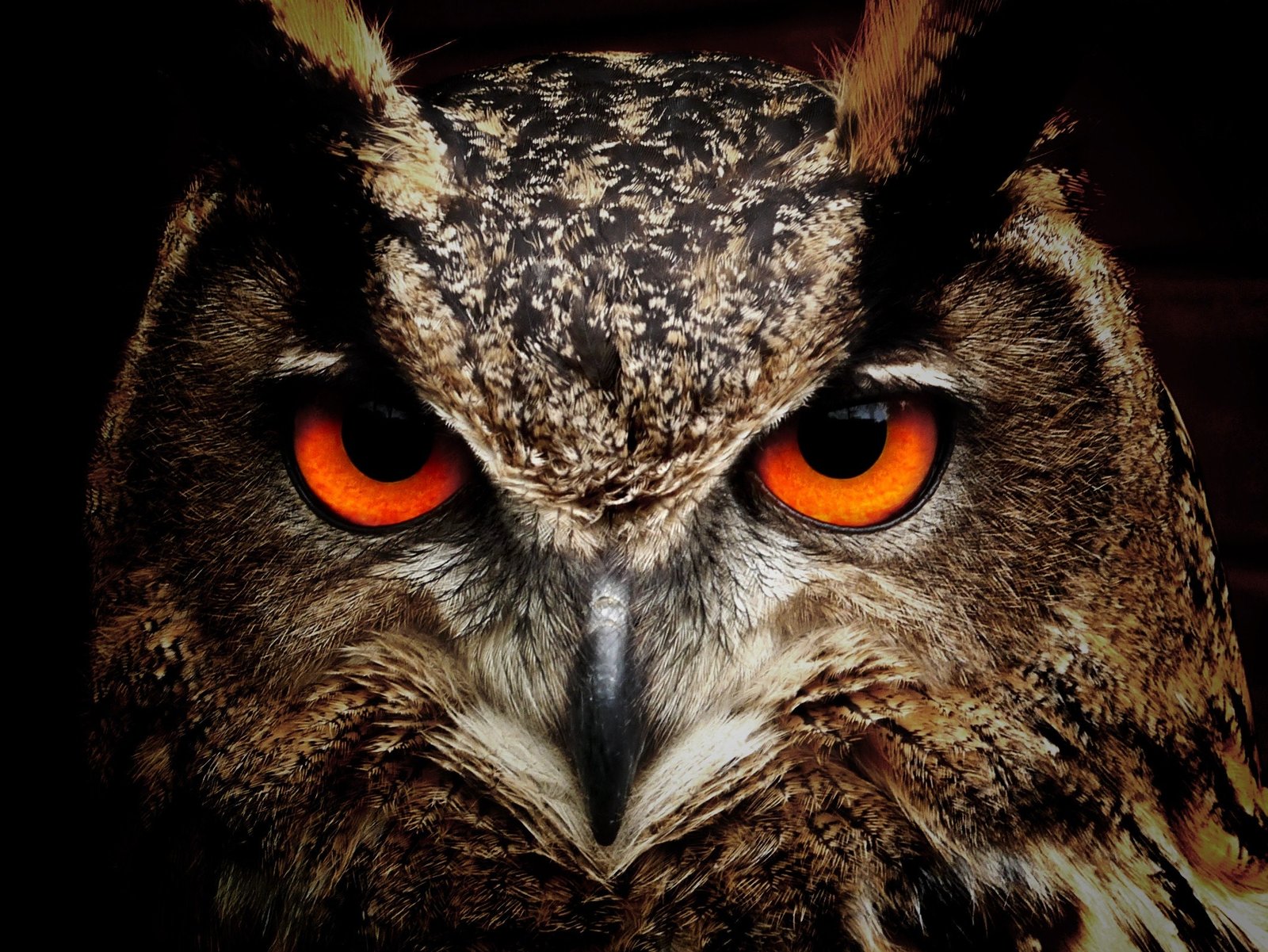
Owls are majestic and fascinating creatures that have captured the hearts of many people around the world. With their silent flight, keen hunting skills, and haunting calls, owls have a mysterious appeal that intrigues animal lovers everywhere. Some individuals may even consider the idea of owning an owl as a pet. However, before making such a decision, there are several important factors to consider, especially when it comes to the well-being of these birds. First and foremost, it is crucial to understand that owls are wildlife and not domesticated animals. In many places, it is illegal to keep owls as pets without the proper permits and licenses. This is because owls are protected under wildlife conservation laws due to their vulnerable status in the wild. Owls are also specialized predators that have specific dietary and environmental requirements that can be challenging to meet in a domestic setting. Owls require a specialized diet that consists mainly of whole prey items such as mice, rats, and chicks. Feeding owls a proper diet can be expensive and time-consuming, as these birds need fresh food on a regular basis. Additionally, owls have specific housing needs that include a large, secure enclosure with plenty of room to fly and exercise. Providing the right environment for an owl can be costly and may require specialized knowledge and expertise. Owls also have unique behavioral and social needs that must be considered. Many species of owls are solitary animals that prefer to live alone, making them unsuitable for households with multiple pets. Owls are also nocturnal animals that are most active at night, which may not align with the lifestyle of the average pet owner. Owls are also wild animals that may not bond with humans in the same way that domesticated animals do, making them less suitable as pets for companionship. If you are considering owning an owl, it is essential to consult with a qualified and experienced avian veterinarian or wildlife rehabilitator. These professionals can provide guidance on the legal requirements for owning an owl, as well as advice on proper diet, housing, and care. Owning an owl is a significant responsibility that requires a commitment to providing for the bird's physical and emotional well-being. For those who are passionate about owls but are unable to keep one as a pet, there are other ways to support these magnificent birds. Consider volunteering at a wildlife rehabilitation center or donating to organizations that work to protect and conserve owl populations in the wild. By being a responsible and informed advocate for owls, you can help ensure that these iconic birds continue to thrive for generations to come. Looking for expert opinions? Find them in https://www.qqhbo.com For an extensive perspective, read https://www.vetbd.com
Leave a Comment:
SEARCH
Recent News
- Zurich, Switzerland is not only known for its picturesque landscapes and vibrant culture but also for its diverse wildlife. While the city may be more commonly associated with its financial sector and luxury shopping, there are some rare and fascinating animals that call Zurich home.
- YouTube Content Creation: Showcasing Rare Animals through Translation
- If you are a nature enthusiast and love learning about rare and exotic animals, there are several YouTube channels dedicated to showcasing these fascinating creatures in their natural habitats. These channels provide a unique opportunity to educate yourself about lesser-known species and the importance of conservation efforts.
- The Importance of Developing Rare Skills Like a Rare Animal in the Workplace
- Women in Politics: Breaking Barriers and Making History
- Warsaw, the capital city of Poland, is not only known for its rich history and beautiful architecture but also for its unique and diverse wildlife. Despite being a bustling urban center, Warsaw is home to some rare and fascinating animals that can be found in various parks, forests, and reserves in and around the city.
- Vietnam is a country known for its rich culture, beautiful landscapes, and delicious cuisine. However, it is also home to a variety of rare and endangered animals that are found nowhere else in the world. In recent years, some Vietnamese businesses and companies have taken initiatives to help protect these precious species and their habitats.
- Vienna, the capital city of Austria, is known for its rich history, stunning architecture, and vibrant cultural scene. But did you know that Vienna is also home to a variety of rare and interesting animals? From exotic species at the Vienna Zoo to elusive wildlife in the surrounding countryside, there are plenty of fascinating creatures to discover in and around this beautiful city.
READ MORE
9 months ago Category : owlo

Zurich, Switzerland is not only known for its picturesque landscapes and vibrant culture but also for its diverse wildlife. While the city may be more commonly associated with its financial sector and luxury shopping, there are some rare and fascinating animals that call Zurich home.
Read More →9 months ago Category : owlo

YouTube Content Creation: Showcasing Rare Animals through Translation
Read More →9 months ago Category : owlo

If you are a nature enthusiast and love learning about rare and exotic animals, there are several YouTube channels dedicated to showcasing these fascinating creatures in their natural habitats. These channels provide a unique opportunity to educate yourself about lesser-known species and the importance of conservation efforts.
Read More →9 months ago Category : owlo
