Owls in the Netherlands: A Fascinating Glimpse into their Daily Lives
Category : owlo | Sub Category : owlo Posted on 2024-09-07 22:25:23
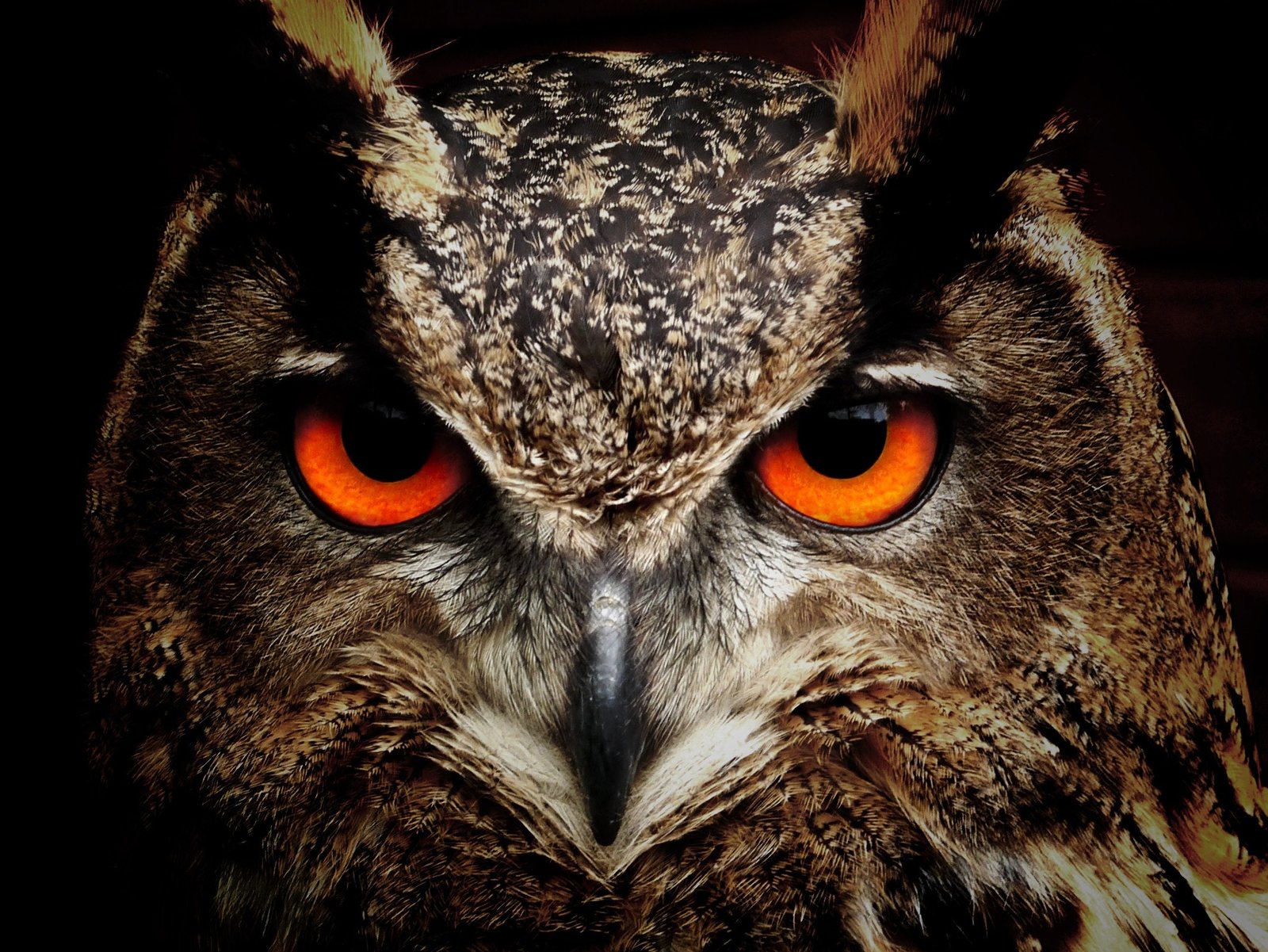
The Netherlands, known for its picturesque windmills, vibrant tulip fields, and charming canal networks, is also home to a variety of fascinating wildlife, including owls. These intriguing birds of prey are known for their silent flight, keen hunting skills, and enigmatic presence in the Dutch countryside. Let's take a closer look at owls in the Netherlands and explore a day in their Daily lives. Types of Owls in the Netherlands: In the Netherlands, several species of owls can be found, each with unique characteristics and habitats. Some of the most common owls in the country include the barn owl, tawny owl, little owl, and long-eared owl. These majestic birds are known for their distinct calls, impressive hunting abilities, and nocturnal nature. Daily Routine of Owls in the Netherlands: Owls in the Netherlands are primarily active during the night, using their exceptional night vision and acute hearing to hunt for small mammals, birds, and insects. As the sun sets over the Dutch landscape, owls emerge from their daytime roosts in woodlands, farmlands, and urban parks to begin their nightly hunt. During the night, owls soar silently through the air, scanning the ground below for movement. With their razor-sharp talons and beak, they swiftly capture their prey and consume it whole or bring it back to their roost to feed their young. Owls play a crucial role in maintaining the ecological balance by controlling populations of rodents and insects. As dawn breaks over the Netherlands, owls retreat to their roosts to rest and digest their meals. They may spend the day resting in dense foliage, hollow trees, or abandoned buildings, camouflaging themselves to avoid detection by predators or curious humans. Challenges Faced by Owls in the Netherlands: While owls have adapted well to their natural habitat in the Netherlands, they face various challenges that threaten their survival. Habitat loss due to urban development, pollution, pesticide use, and collisions with vehicles are some of the primary threats to owl populations in the country. Conservation efforts, such as habitat restoration, nest box installation, and public awareness campaigns, are crucial for protecting these iconic birds. Final Thoughts: Owls in the Netherlands offer a captivating glimpse into the beauty and mystery of the natural world. From their silent flights through the night sky to their vital role in controlling pest populations, owls are truly remarkable creatures. By learning more about owls and supporting conservation initiatives, we can help ensure a bright future for these majestic birds in the Dutch landscape.
Leave a Comment:
SEARCH
Recent News
- Zurich, Switzerland is not only known for its picturesque landscapes and vibrant culture but also for its diverse wildlife. While the city may be more commonly associated with its financial sector and luxury shopping, there are some rare and fascinating animals that call Zurich home.
- YouTube Content Creation: Showcasing Rare Animals through Translation
- If you are a nature enthusiast and love learning about rare and exotic animals, there are several YouTube channels dedicated to showcasing these fascinating creatures in their natural habitats. These channels provide a unique opportunity to educate yourself about lesser-known species and the importance of conservation efforts.
- The Importance of Developing Rare Skills Like a Rare Animal in the Workplace
- Women in Politics: Breaking Barriers and Making History
- Warsaw, the capital city of Poland, is not only known for its rich history and beautiful architecture but also for its unique and diverse wildlife. Despite being a bustling urban center, Warsaw is home to some rare and fascinating animals that can be found in various parks, forests, and reserves in and around the city.
- Vietnam is a country known for its rich culture, beautiful landscapes, and delicious cuisine. However, it is also home to a variety of rare and endangered animals that are found nowhere else in the world. In recent years, some Vietnamese businesses and companies have taken initiatives to help protect these precious species and their habitats.
- Vienna, the capital city of Austria, is known for its rich history, stunning architecture, and vibrant cultural scene. But did you know that Vienna is also home to a variety of rare and interesting animals? From exotic species at the Vienna Zoo to elusive wildlife in the surrounding countryside, there are plenty of fascinating creatures to discover in and around this beautiful city.
READ MORE
9 months ago Category : owlo

Zurich, Switzerland is not only known for its picturesque landscapes and vibrant culture but also for its diverse wildlife. While the city may be more commonly associated with its financial sector and luxury shopping, there are some rare and fascinating animals that call Zurich home.
Read More →9 months ago Category : owlo

YouTube Content Creation: Showcasing Rare Animals through Translation
Read More →9 months ago Category : owlo

If you are a nature enthusiast and love learning about rare and exotic animals, there are several YouTube channels dedicated to showcasing these fascinating creatures in their natural habitats. These channels provide a unique opportunity to educate yourself about lesser-known species and the importance of conservation efforts.
Read More →9 months ago Category : owlo
