Owls in the Future: The Intersection of Cutting-Edge Technology, Law, and Regulations
Category : owlo | Sub Category : owlo Posted on 2024-09-07 22:25:23
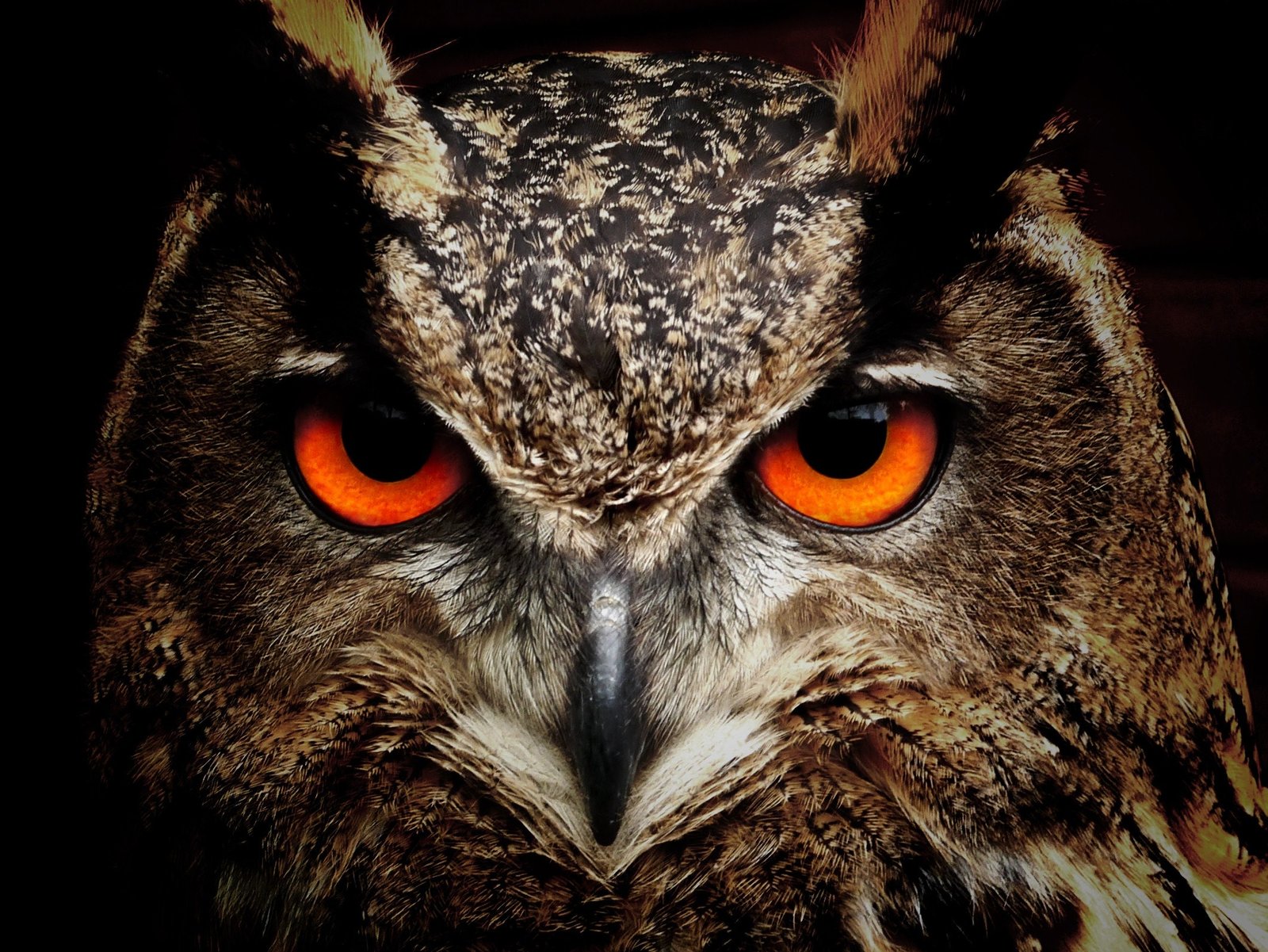
In recent years, the concept of integrating cutting-edge technology with the natural world has gained significant attention. From conservation efforts to scientific research, the potential for technological advancements to help solve environmental challenges is vast. One area where this intersection is particularly intriguing is in the study and protection of owls. Owls, with their enigmatic nature and exceptional hunting abilities, have long fascinated humans. However, these birds of prey face various threats, including habitat loss, climate change, and human interference. To ensure the survival of owl species for future generations, it is crucial to leverage the latest innovations in technology while also adhering to relevant laws and regulations. One of the most revolutionary technological advancements that can aid in owl conservation efforts is the use of drones. Drones equipped with specialized cameras and sensors can monitor owl populations, identify nesting sites, and track their movements without disturbing the birds. This data can provide valuable insights into owl behavior, population dynamics, and habitat preferences, which in turn can inform conservation strategies. In addition to drones, advancements in artificial intelligence (AI) and machine learning are enhancing our understanding of owl vocalizations. By analyzing the unique calls of different owl species, researchers can develop automated systems to identify and monitor owl populations remotely. This technology can help conservationists track owl numbers, assess breeding success, and detect potential threats in real-time. However, as we embrace these technological innovations, it is essential to consider the legal and regulatory implications surrounding their use in owl conservation. Laws such as the Migratory Bird Treaty Act in the United States and similar regulations worldwide protect owls and other migratory birds from harm and disturbance. Therefore, any technology deployed in owl research and conservation must comply with these laws to ensure the birds' well-being. Furthermore, privacy concerns related to drone use must be addressed, especially when monitoring owl nesting sites on private land. Implementing clear guidelines and obtaining the necessary permissions from landowners are essential to maintain ethical standards and respect legal boundaries. In conclusion, the future of owls lies at the intersection of cutting-edge technology, law, and regulations. By harnessing the power of drones, AI, and other innovations, we can better understand and protect these majestic birds. However, it is imperative to balance technological advancements with legal compliance and ethical considerations to ensure a sustainable future for owls and their ecosystems.
Leave a Comment:
SEARCH
Recent News
- Zurich, Switzerland is not only known for its picturesque landscapes and vibrant culture but also for its diverse wildlife. While the city may be more commonly associated with its financial sector and luxury shopping, there are some rare and fascinating animals that call Zurich home.
- YouTube Content Creation: Showcasing Rare Animals through Translation
- If you are a nature enthusiast and love learning about rare and exotic animals, there are several YouTube channels dedicated to showcasing these fascinating creatures in their natural habitats. These channels provide a unique opportunity to educate yourself about lesser-known species and the importance of conservation efforts.
- The Importance of Developing Rare Skills Like a Rare Animal in the Workplace
- Women in Politics: Breaking Barriers and Making History
- Warsaw, the capital city of Poland, is not only known for its rich history and beautiful architecture but also for its unique and diverse wildlife. Despite being a bustling urban center, Warsaw is home to some rare and fascinating animals that can be found in various parks, forests, and reserves in and around the city.
- Vietnam is a country known for its rich culture, beautiful landscapes, and delicious cuisine. However, it is also home to a variety of rare and endangered animals that are found nowhere else in the world. In recent years, some Vietnamese businesses and companies have taken initiatives to help protect these precious species and their habitats.
- Vienna, the capital city of Austria, is known for its rich history, stunning architecture, and vibrant cultural scene. But did you know that Vienna is also home to a variety of rare and interesting animals? From exotic species at the Vienna Zoo to elusive wildlife in the surrounding countryside, there are plenty of fascinating creatures to discover in and around this beautiful city.
READ MORE
9 months ago Category : owlo

Zurich, Switzerland is not only known for its picturesque landscapes and vibrant culture but also for its diverse wildlife. While the city may be more commonly associated with its financial sector and luxury shopping, there are some rare and fascinating animals that call Zurich home.
Read More →9 months ago Category : owlo

YouTube Content Creation: Showcasing Rare Animals through Translation
Read More →9 months ago Category : owlo

If you are a nature enthusiast and love learning about rare and exotic animals, there are several YouTube channels dedicated to showcasing these fascinating creatures in their natural habitats. These channels provide a unique opportunity to educate yourself about lesser-known species and the importance of conservation efforts.
Read More →9 months ago Category : owlo
