Exploring Cultural Shifts: Owls in the Modern World
Category : owlo | Sub Category : owlo Posted on 2023-10-30 21:24:53
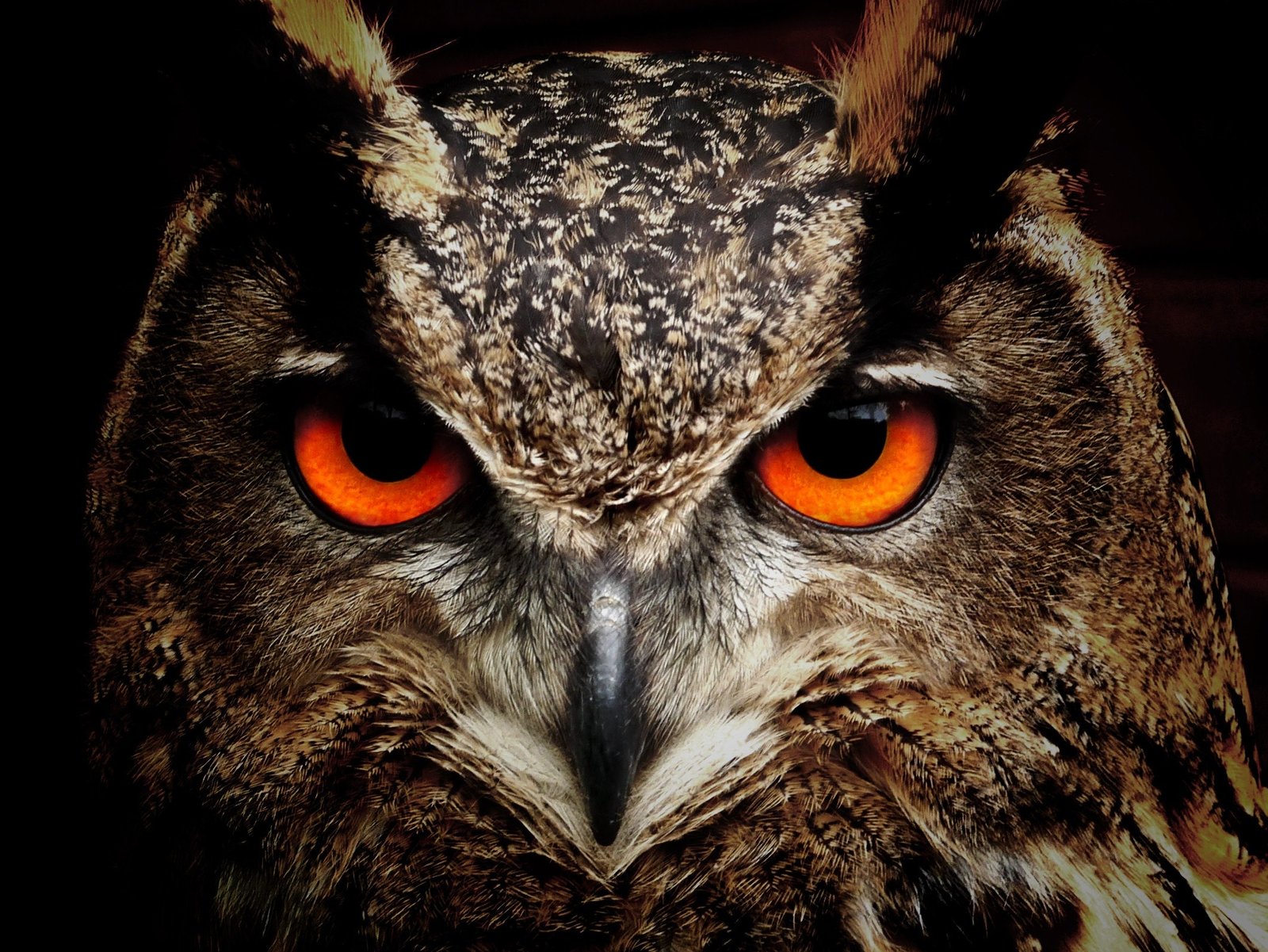
Introduction: Cultural shifts have the ability to reshape the way we perceive and interact with various aspects of our environment. One such element that has witnessed its fair share of cultural shifts over the years is the majestic creature of the night - the owl. From ancient mythology and folklore to modern-day symbolism, owls have carved a unique place in our culture, adapting and transforming with the changing times. In this blog post, we will delve into the cultural shifts surrounding owls and explore their evolving significance in today's world. 1. Owls in Ancient Mythology: Owls have long been associated with ancient mythologies and beliefs. In ancient Greece, they were considered companions of Athena, the goddess of wisdom. Owls were believed to possess wisdom and knowledge, and their presence symbolized foresight and intelligence. Similarly, in various Native American cultures, owls were revered as symbols of intuition, divine messages, and spiritual guidance. From ancient civilizations to indigenous cultures, owls played a significant role in shaping the cultural narrative. 2. Owls in Folklore and Superstition: As time passed, owls became enigmatic figures in folklore and superstition. In many European cultures, owls were often associated with dark omens and death. Their silent flight and haunting calls led to beliefs that they were messengers of ill fortune. Owls were also perceived as harbingers of witches and magic, strengthening their ties with the supernatural realm. These superstitions created a cultural shift, casting a shadow of fear and mystique over the owl's reputation. 3. Owls in Pop Culture: Fast forward to the modern era, and owls have undergone a significant transformation in their portrayal. From Harry Potter's beloved pet owl, Hedwig, to the iconic symbol of knowledge in the "Wise Old Owl" trope, owls have found a place in popular culture. Their association with wisdom, intelligence, and mystery has made them a popular choice in books, movies, and art. Owls have become a trendy symbol, appearing on fashion apparel, home decor, and even as social media icons. The shift from fear and superstition to admiration and fascination has truly been remarkable. 4. Owls in Environmental Conservation: While cultural shifts surrounding owls have often been linked to symbolism and aesthetics, their conservation has also gained prominence in recent years. As these magnificent creatures face habitat loss and environmental challenges, there has been a growing global consciousness about their preservation. Conservation efforts have reshaped the cultural perspective on owls, highlighting their ecological importance and bolstering their image as guardians of biodiversity. Awareness campaigns, research projects, and protected habitats have contributed to a newfound appreciation for owls in the context of environmental conservation. Conclusion: The cultural shifts surrounding owls have been multifaceted, reflecting the evolving beliefs and attitudes of different societies. From ancient mythologies and superstitions to their representation in pop culture and environmental conservation, owls have seamlessly adapted and become emblematic figures in various contexts. As we continue to embrace new perspectives and understandings, the owl's cultural significance will undoubtedly continue to evolve, leaving an indelible mark on our collective consciousness for generations to come. So next time you encounter an owl, whether in a storybook, on a t-shirt, or in the wild, take a moment to appreciate the rich tapestry of cultural shifts that have shaped our connection with these wondrous creatures. For an in-depth examination, refer to http://www.culturepolitics.com
Leave a Comment:
SEARCH
Recent News
- Zurich, Switzerland is not only known for its picturesque landscapes and vibrant culture but also for its diverse wildlife. While the city may be more commonly associated with its financial sector and luxury shopping, there are some rare and fascinating animals that call Zurich home.
- YouTube Content Creation: Showcasing Rare Animals through Translation
- If you are a nature enthusiast and love learning about rare and exotic animals, there are several YouTube channels dedicated to showcasing these fascinating creatures in their natural habitats. These channels provide a unique opportunity to educate yourself about lesser-known species and the importance of conservation efforts.
- The Importance of Developing Rare Skills Like a Rare Animal in the Workplace
- Women in Politics: Breaking Barriers and Making History
- Warsaw, the capital city of Poland, is not only known for its rich history and beautiful architecture but also for its unique and diverse wildlife. Despite being a bustling urban center, Warsaw is home to some rare and fascinating animals that can be found in various parks, forests, and reserves in and around the city.
- Vietnam is a country known for its rich culture, beautiful landscapes, and delicious cuisine. However, it is also home to a variety of rare and endangered animals that are found nowhere else in the world. In recent years, some Vietnamese businesses and companies have taken initiatives to help protect these precious species and their habitats.
- Vienna, the capital city of Austria, is known for its rich history, stunning architecture, and vibrant cultural scene. But did you know that Vienna is also home to a variety of rare and interesting animals? From exotic species at the Vienna Zoo to elusive wildlife in the surrounding countryside, there are plenty of fascinating creatures to discover in and around this beautiful city.
READ MORE
6 months ago Category : owlo

Zurich, Switzerland is not only known for its picturesque landscapes and vibrant culture but also for its diverse wildlife. While the city may be more commonly associated with its financial sector and luxury shopping, there are some rare and fascinating animals that call Zurich home.
Read More →6 months ago Category : owlo

YouTube Content Creation: Showcasing Rare Animals through Translation
Read More →6 months ago Category : owlo

If you are a nature enthusiast and love learning about rare and exotic animals, there are several YouTube channels dedicated to showcasing these fascinating creatures in their natural habitats. These channels provide a unique opportunity to educate yourself about lesser-known species and the importance of conservation efforts.
Read More →6 months ago Category : owlo
