How Owls Benefit Agroforestry: Nature's Pest Control
Category : owlo | Sub Category : owlo Posted on 2023-10-30 21:24:53
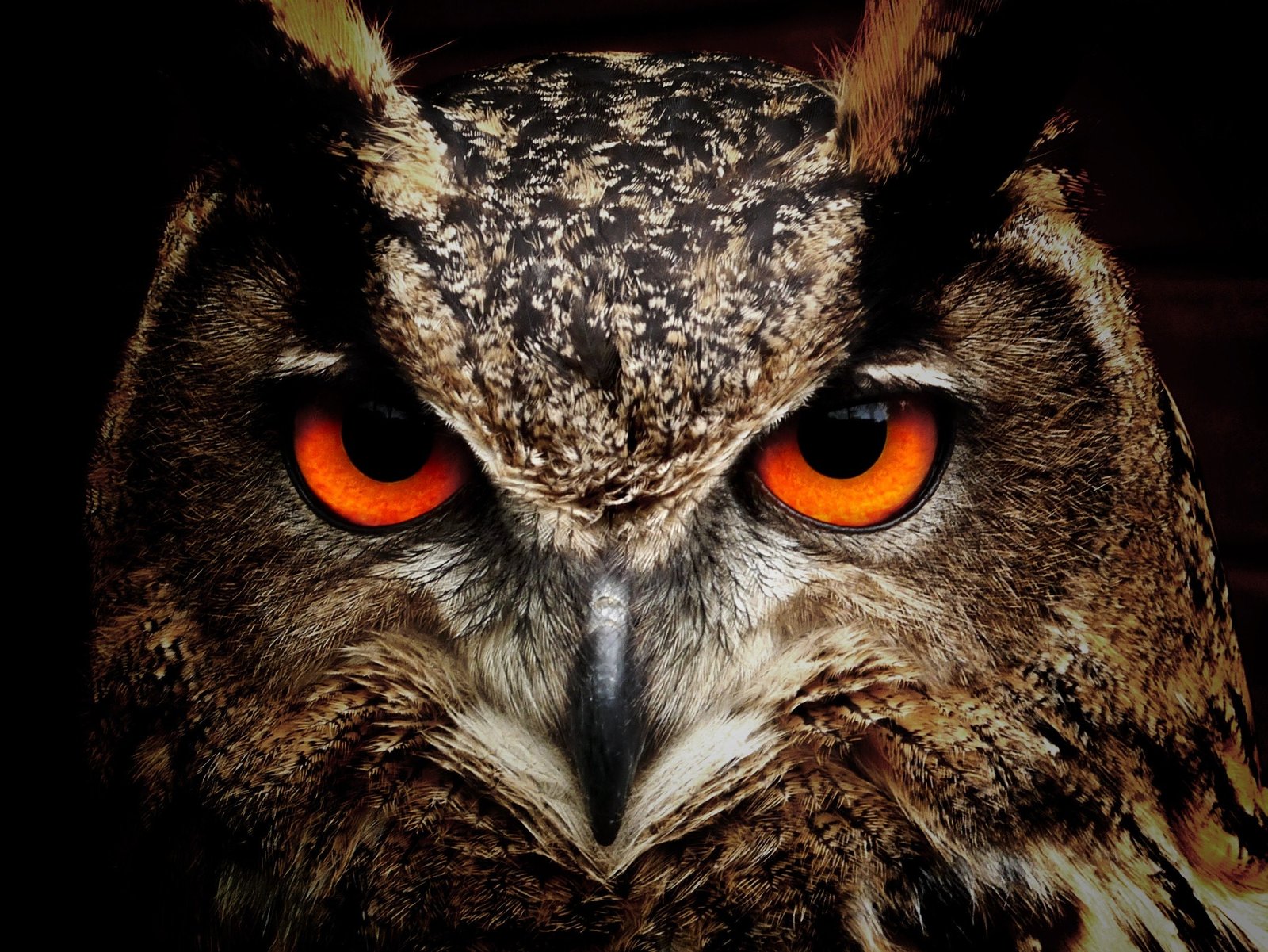
Introduction Agroforestry, the practice of incorporating trees and agricultural crops or livestock on the same piece of land, offers numerous environmental and economic benefits. With the increasing interest in sustainable and regenerative agricultural practices, farmers and researchers have been exploring various ways to enhance the productivity and biodiversity of their farmland. One valuable ally in agroforestry systems is the owl a silent hunter that provides natural pest control while promoting a harmonious balance within the ecosystem. The Ecological Role of Owls in Agroforestry Owls are powerful predators that play a crucial role in regulating populations of rodents, insects, and small mammals. Integrating owls into an agroforestry system can help mitigate damage caused by these pests, reducing the need for chemical pesticides and thus promoting a more sustainable agricultural approach. 1. Rodent Control Rats and mice are nocturnal pests that can cause extensive damage to crops, stored grains, and livestock feed. Owls, being nocturnal hunters themselves, are effective in controlling rodent populations by preying on them. Placing nest boxes or perches for owls within agroforestry landscapes can encourage their presence and aid in rodent control. 2. Insect Control In addition to rodents, owls also prey on a variety of insects, including agricultural pests such as moths, beetles, and grasshoppers. By feeding on these pests, owls help maintain a natural balance within the agroecosystem, reducing the need for synthetic insecticides. Promoting Owl Habitat in Agroforestry Creating suitable habitats is essential to attract and support owl populations within agroforestry systems. Here are some strategies to consider: 1. Nest Boxes and Perches Installing nest boxes and perches throughout the agroforestry landscape provides owls with safe and convenient nesting and roosting sites. These structures can be placed on tree branches, fence posts, or even barns. Providing nesting sites helps increase owl populations, allowing them to control pests effectively. 2. Diverse Vegetation Planting a diverse range of trees and shrubs with varying heights and structures within the agroforestry system creates a more appealing habitat for owls. Dense foliage and tall trees provide adequate cover, while open spaces facilitate hunting. Additionally, incorporating plants that attract insects beneficial to owls (for example, their preferred prey) can help sustain owl populations. 3. No Chemical Pesticides Minimizing or eliminating chemical pesticides is crucial for maintaining the health of owl populations. Pesticides can contaminate owl prey and foliage, negatively impacting owl survival and reproductive success. Instead, practicing integrated pest management (IPM) techniques that prioritize sustainable and non-toxic methods is advisable. Conclusion Owls are remarkable creatures that bring numerous benefits to agroforestry systems. By harnessing their natural hunting abilities, farmers can reduce their reliance on potentially harmful chemical pesticides and promote a more ecologically balanced approach to pest control. Integrating owls into agroforestry landscapes not only enhances biodiversity but also contributes to sustainable and regenerative agricultural practices. With an ongoing commitment to conservation and habitat restoration, we can welcome these valuable nocturnal allies into our agroforestry systems and reap the benefits of nature's pest control. Don't miss more information at http://www.xfarming.com
Leave a Comment:
SEARCH
Recent News
- Zurich, Switzerland is not only known for its picturesque landscapes and vibrant culture but also for its diverse wildlife. While the city may be more commonly associated with its financial sector and luxury shopping, there are some rare and fascinating animals that call Zurich home.
- YouTube Content Creation: Showcasing Rare Animals through Translation
- If you are a nature enthusiast and love learning about rare and exotic animals, there are several YouTube channels dedicated to showcasing these fascinating creatures in their natural habitats. These channels provide a unique opportunity to educate yourself about lesser-known species and the importance of conservation efforts.
- The Importance of Developing Rare Skills Like a Rare Animal in the Workplace
- Women in Politics: Breaking Barriers and Making History
- Warsaw, the capital city of Poland, is not only known for its rich history and beautiful architecture but also for its unique and diverse wildlife. Despite being a bustling urban center, Warsaw is home to some rare and fascinating animals that can be found in various parks, forests, and reserves in and around the city.
- Vietnam is a country known for its rich culture, beautiful landscapes, and delicious cuisine. However, it is also home to a variety of rare and endangered animals that are found nowhere else in the world. In recent years, some Vietnamese businesses and companies have taken initiatives to help protect these precious species and their habitats.
- Vienna, the capital city of Austria, is known for its rich history, stunning architecture, and vibrant cultural scene. But did you know that Vienna is also home to a variety of rare and interesting animals? From exotic species at the Vienna Zoo to elusive wildlife in the surrounding countryside, there are plenty of fascinating creatures to discover in and around this beautiful city.
READ MORE
11 months ago Category : owlo

Zurich, Switzerland is not only known for its picturesque landscapes and vibrant culture but also for its diverse wildlife. While the city may be more commonly associated with its financial sector and luxury shopping, there are some rare and fascinating animals that call Zurich home.
Read More →11 months ago Category : owlo

YouTube Content Creation: Showcasing Rare Animals through Translation
Read More →11 months ago Category : owlo

If you are a nature enthusiast and love learning about rare and exotic animals, there are several YouTube channels dedicated to showcasing these fascinating creatures in their natural habitats. These channels provide a unique opportunity to educate yourself about lesser-known species and the importance of conservation efforts.
Read More →11 months ago Category : owlo
