Unveiling the Nutritional Needs of Owl Species
Category : owlo | Sub Category : owlo Posted on 2023-10-30 21:24:53
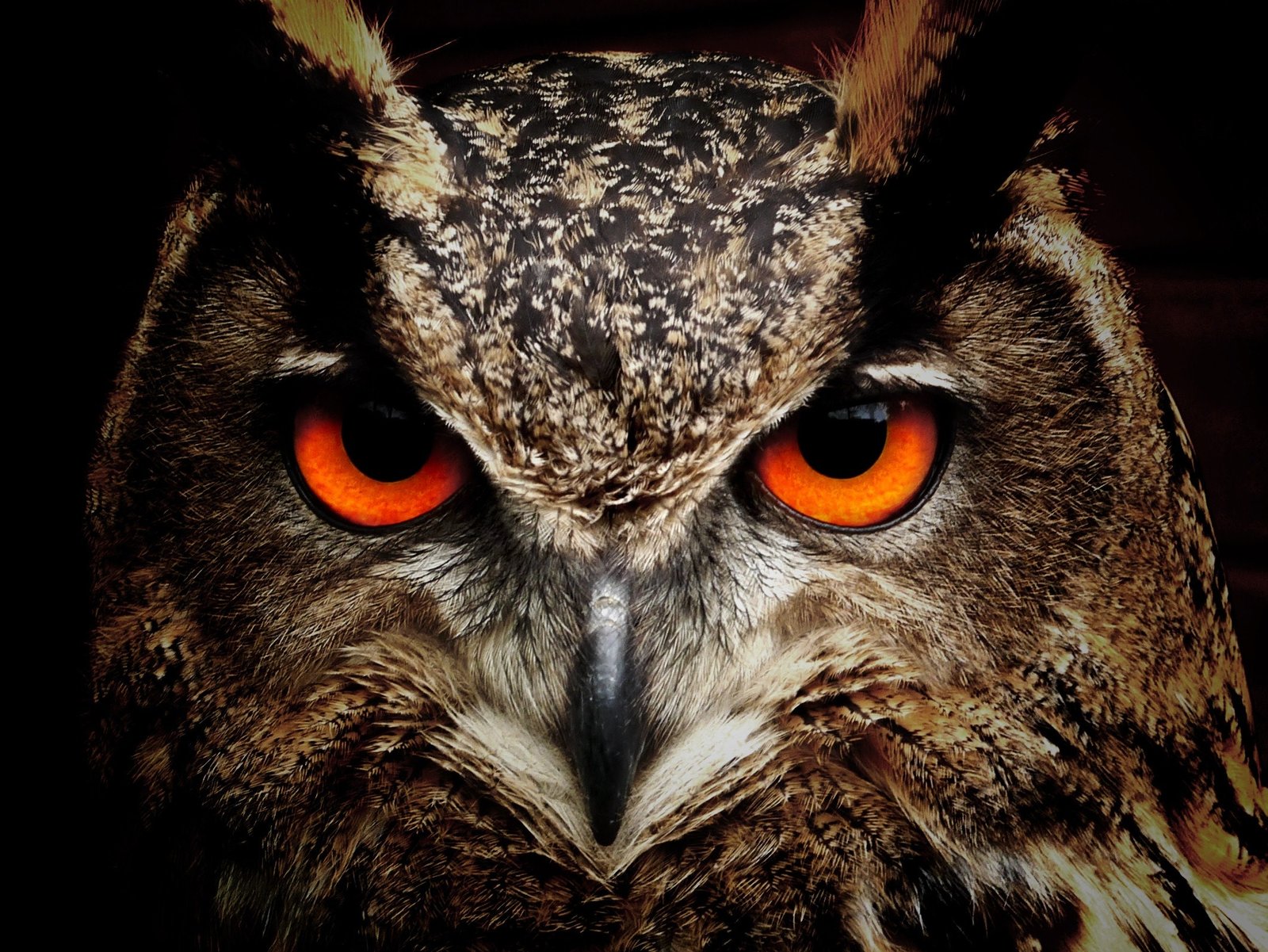
Introduction: Owls are fascinating creatures that have captivated humans for centuries with their enigmatic behaviors and impressive hunting skills. While we often think of their exceptional vision and ability to fly silently, we may overlook the crucial role that nutrition plays in their survival and overall well-being. In this blog post, we will unravel the nutritional needs of owl species and shed light on the importance of proper diet for their health and vitality. 1. A Balanced Diet for Optimal Health: Just like humans, owls require a balanced diet to ensure optimal health. Their diet primarily consists of small mammals, birds, reptiles, and insects. The specific prey species they rely on can vary depending on the owl species and their geographical location. Some owls, such as the barn owl, primarily consume rodents, while others, like the snowy owl, target birds. 2. High Protein Intake: Protein is a crucial component of an owl's diet as it provides the necessary energy for their daily activities, including hunting and flying. The protein content of their prey helps in the growth and repair of body tissues and is vital for feather maintenance. Owls are known to have lean muscles and powerful talons, which are essential for catching their prey. 3. Nutrient-rich Foods: To meet their nutritional requirements, owl species often focus on consuming high-quality, nutrient-rich foods. This includes small mammals and birds that provide essential vitamins and minerals. Owls, particularly those in colder regions, may also consume marine species such as fish, which are rich in omega-3 fatty acids. 4. Adaptation to Food Availability: Owls are known for their adaptability when it comes to food availability. They can adjust their prey preferences to survive in different environments. For instance, during periods of scarce food supply, they may resort to alternative food sources, including insects or reptiles. This ability to adapt their diet enables owls to thrive in a variety of ecosystems. 5. Water Requirements: In addition to a proper diet, owls also require access to fresh water. Although they obtain most of their hydration from the fluids contained within their prey, they still need to drink water regularly. Owls often rely on natural water sources such as ponds, streams, or rainwater collected on leaves. Conclusion: Understanding the nutritional needs of owl species is essential for their conservation and well-being. The diversity in their prey preferences highlights their adaptability, and it also emphasizes the importance of preserving natural habitats for their survival. By ensuring the availability of suitable prey and freshwater sources, we can contribute to the overall conservation of these remarkable birds. So, the next time you spot an owl in the wild or hear their distinctive hooting in the night, remember the crucial role nutrition plays in their life. By appreciating and protecting these incredible creatures, we are not only enriching our natural world but also supporting the delicate balance of ecosystems they inhabit. Want a more profound insight? Consult http://www.tinyfed.com Want to expand your knowledge? Start with http://www.childnut.com
Leave a Comment:
SEARCH
Recent News
- Zurich, Switzerland is not only known for its picturesque landscapes and vibrant culture but also for its diverse wildlife. While the city may be more commonly associated with its financial sector and luxury shopping, there are some rare and fascinating animals that call Zurich home.
- YouTube Content Creation: Showcasing Rare Animals through Translation
- If you are a nature enthusiast and love learning about rare and exotic animals, there are several YouTube channels dedicated to showcasing these fascinating creatures in their natural habitats. These channels provide a unique opportunity to educate yourself about lesser-known species and the importance of conservation efforts.
- The Importance of Developing Rare Skills Like a Rare Animal in the Workplace
- Women in Politics: Breaking Barriers and Making History
- Warsaw, the capital city of Poland, is not only known for its rich history and beautiful architecture but also for its unique and diverse wildlife. Despite being a bustling urban center, Warsaw is home to some rare and fascinating animals that can be found in various parks, forests, and reserves in and around the city.
- Vietnam is a country known for its rich culture, beautiful landscapes, and delicious cuisine. However, it is also home to a variety of rare and endangered animals that are found nowhere else in the world. In recent years, some Vietnamese businesses and companies have taken initiatives to help protect these precious species and their habitats.
- Vienna, the capital city of Austria, is known for its rich history, stunning architecture, and vibrant cultural scene. But did you know that Vienna is also home to a variety of rare and interesting animals? From exotic species at the Vienna Zoo to elusive wildlife in the surrounding countryside, there are plenty of fascinating creatures to discover in and around this beautiful city.
READ MORE
10 months ago Category : owlo

Zurich, Switzerland is not only known for its picturesque landscapes and vibrant culture but also for its diverse wildlife. While the city may be more commonly associated with its financial sector and luxury shopping, there are some rare and fascinating animals that call Zurich home.
Read More →10 months ago Category : owlo

YouTube Content Creation: Showcasing Rare Animals through Translation
Read More →10 months ago Category : owlo

If you are a nature enthusiast and love learning about rare and exotic animals, there are several YouTube channels dedicated to showcasing these fascinating creatures in their natural habitats. These channels provide a unique opportunity to educate yourself about lesser-known species and the importance of conservation efforts.
Read More →10 months ago Category : owlo
