Shedding Light on Owl Diet and Feeding Habits
Category : owlo | Sub Category : owlo Posted on 2023-10-30 21:24:53
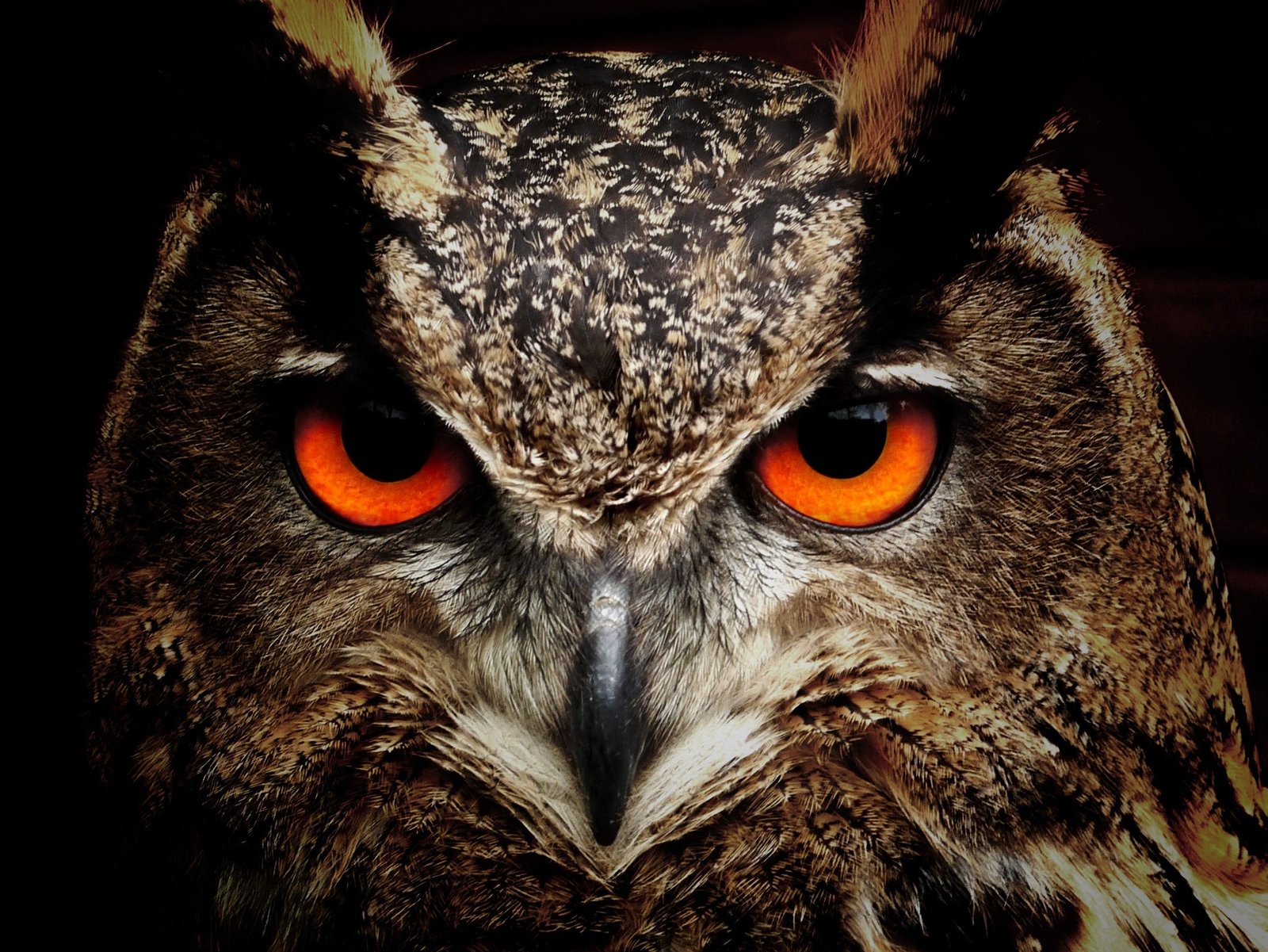
Introduction: Owls have long fascinated humans with their mysterious nocturnal nature and silent flight. These highly skilled hunters are not only known for their impressive visual capabilities but also for their unique diet and feeding habits. In this article, we will delve into the intriguing world of owl diet and shed light on their fascinating feeding habits. 1. Adaptation to Nocturnal Hunting: Owls are known for being nocturnal creatures, and their diet is well-adapted to this lifestyle. Unlike diurnal birds of prey that rely heavily on their keen eyesight, owls possess exceptional hearing abilities. Their specialized feathers and soft-edged primary flight feathers allow them to navigate silently through the night sky, ensuring that their prey remains oblivious to their presence. 2. The Owl Diet: Owls are carnivorous predators, and their diet primarily consists of small mammals, birds, and insects. The specific prey items they choose depend on their habitat, size, and species. Some owl species, such as the burrowing owl, have a diet that includes mainly insects, while others, like the snowy owl, primarily feed on small mammals such as rodents. 3. Hunting Techniques: To catch their prey, owls employ a combination of stealth, precision, and surprise attacks. Owls typically perch on a high vantage point or in a tree before swooping down onto their unsuspecting prey. Their wings and feathers are specially designed to allow them to fly silently, giving them an edge in hunting successfully. 4. Swallowing Whole: One of the most remarkable aspects of owl feeding habits is their ability to consume prey whole. Unlike other birds, owls lack a crop, which is a stomach pouch used for storing and softening food. Instead, owls have a strong, muscular gizzard that helps break down prey into smaller pieces to aid digestion. The parts of the prey that cannot be digested, such as fur, bones, and feathers, are formed into pellets that the owl regurgitates. 5. Owl Pellets: Owl pellets are fascinating remnants of an owl's meal. These compact masses composed of fur, bones, feathers, and other indigestible parts play a crucial role in the owl's digestive process. Upon regurgitation, these pellets provide insights into the owl's diet and help researchers study their feeding habits, prey types, and even the health of the population. Conclusion: From their skilled nocturnal hunting techniques to their ability to consume prey whole, owls have developed a unique and efficient diet suited to their nighttime lifestyle. As we shed light on their diet and feeding habits, we gain a deeper appreciation for the remarkable adaptations these magnificent birds have evolved. So, the next time you hear the hooting of an owl, take a moment to marvel at the incredible world they inhabit and the role they play in maintaining the delicate balance of the ecosystem. Want to gain insights? Start with http://www.lumenwork.com also don't miss more information at http://www.alliancespot.com
Leave a Comment:
SEARCH
Recent News
- Zurich, Switzerland is not only known for its picturesque landscapes and vibrant culture but also for its diverse wildlife. While the city may be more commonly associated with its financial sector and luxury shopping, there are some rare and fascinating animals that call Zurich home.
- YouTube Content Creation: Showcasing Rare Animals through Translation
- If you are a nature enthusiast and love learning about rare and exotic animals, there are several YouTube channels dedicated to showcasing these fascinating creatures in their natural habitats. These channels provide a unique opportunity to educate yourself about lesser-known species and the importance of conservation efforts.
- The Importance of Developing Rare Skills Like a Rare Animal in the Workplace
- Women in Politics: Breaking Barriers and Making History
- Warsaw, the capital city of Poland, is not only known for its rich history and beautiful architecture but also for its unique and diverse wildlife. Despite being a bustling urban center, Warsaw is home to some rare and fascinating animals that can be found in various parks, forests, and reserves in and around the city.
- Vietnam is a country known for its rich culture, beautiful landscapes, and delicious cuisine. However, it is also home to a variety of rare and endangered animals that are found nowhere else in the world. In recent years, some Vietnamese businesses and companies have taken initiatives to help protect these precious species and their habitats.
- Vienna, the capital city of Austria, is known for its rich history, stunning architecture, and vibrant cultural scene. But did you know that Vienna is also home to a variety of rare and interesting animals? From exotic species at the Vienna Zoo to elusive wildlife in the surrounding countryside, there are plenty of fascinating creatures to discover in and around this beautiful city.
READ MORE
8 months ago Category : owlo

Zurich, Switzerland is not only known for its picturesque landscapes and vibrant culture but also for its diverse wildlife. While the city may be more commonly associated with its financial sector and luxury shopping, there are some rare and fascinating animals that call Zurich home.
Read More →8 months ago Category : owlo

YouTube Content Creation: Showcasing Rare Animals through Translation
Read More →8 months ago Category : owlo

If you are a nature enthusiast and love learning about rare and exotic animals, there are several YouTube channels dedicated to showcasing these fascinating creatures in their natural habitats. These channels provide a unique opportunity to educate yourself about lesser-known species and the importance of conservation efforts.
Read More →8 months ago Category : owlo
