A Closer Look at the Health of Owl Species
Category : owlo | Sub Category : owlo Posted on 2023-10-30 21:24:53
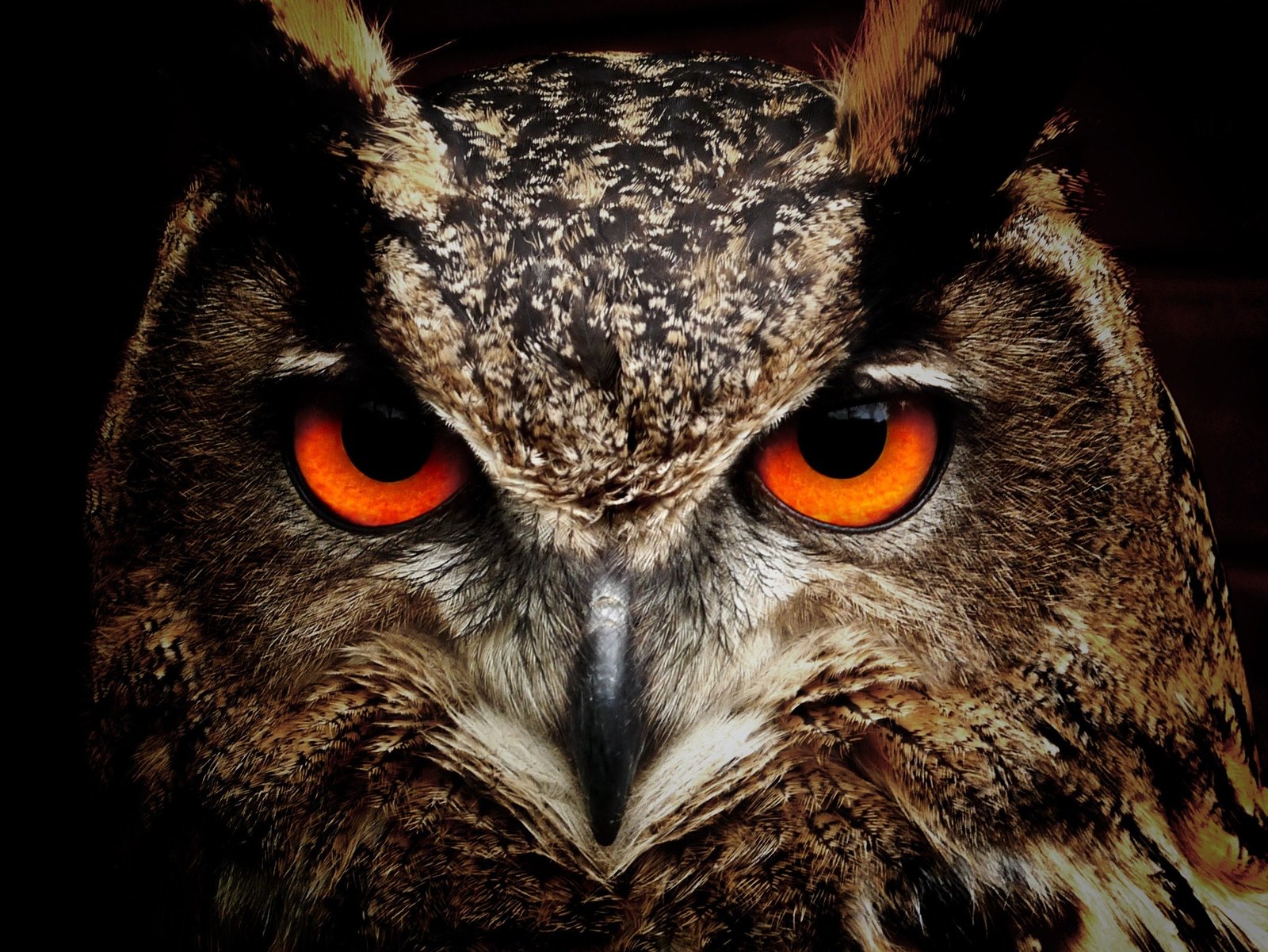
Introduction: Owls are fascinating creatures known for their exceptional hunting skills and distinct physical features. Beyond their enchanting appearances, these birds are also essential for maintaining ecological balance. However, like any other species, owls face various health challenges. In this blog post, we will explore the health concerns that affect owl species and shed light on the conservation efforts to safeguard their well-being. 1. Habitat Loss and Fragmentation: One of the primary threats to the health of owl species is the loss and fragmentation of their natural habitats. Deforestation, urbanization, and land conversion have significantly reduced suitable breeding grounds, resulting in population decline. Owls rely on specific habitats to hunt for food and find suitable nesting sites. The destruction of these habitats disrupts their foraging routines and weakens their overall health. 2. Pesticide Contamination: The use of pesticides in agriculture presents a significant risk to owl species. Owls higher up on the food chain, like the barn owl, can accumulate pesticides in their bodies through the consumption of contaminated prey. This accumulation can lead to reproductive issues, weakened immune systems, and even death. Responsible pesticide management and the promotion of alternative, eco-friendly farming practices are essential to prevent owl species from being harmed by these chemicals. 3. Interspecies Competition: Interspecies competition poses another challenge to owl health. As natural habitats shrink, owl species often find themselves in direct competition with other predators and hunting birds. This intensified competition for resources such as food and nesting sites puts additional stress on owl populations and can negatively impact their overall health. Conservation efforts should focus on preserving suitable habitats and ensuring sufficient resources for all species to thrive. 4. Climate Change: The changing climate has a profound effect on owl species. Alterations in weather patterns can disrupt their natural breeding cycles, migration routes, and hunting patterns. Extreme weather events, such as heatwaves or intense storms, can weaken owl populations by destroying their nests or reducing their food sources. Mitigating the effects of climate change through global efforts to reduce greenhouse gas emissions and promote sustainable practices is crucial for the long-term health of owl species. Conservation Efforts: 1. Habitat Restoration: To aid the recovery of owl populations, habitat restoration initiatives play a vital role. Re-establishing suitable vegetation, creating nesting sites, and preserving natural habitats help owls regain access to essential resources and maintain healthy populations. 2. Education and Awareness: Raising awareness about the importance of owl conservation is key. Educational programs, public outreach campaigns, and community involvement can foster a sense of responsibility and encourage local communities to actively participate in protecting owl species. 3. Research and Monitoring: Ongoing research and monitoring efforts are essential for understanding the health dynamics and population trends of various owl species. This data is invaluable in developing effective conservation strategies and tracking the success of implemented measures. Conclusion: The health of owl species is intricately linked to their habitats, environmental factors, and human actions. By addressing threats such as habitat loss, pesticide contamination, interspecies competition, and climate change, we can help preserve these captivating creatures for future generations to appreciate. Through conservation efforts, education, and sustainable practices, we can ensure the continued well-being of owl species and maintain the delicate balance of our ecosystems. Here is the following website to check: http://www.doctorregister.com For a comprehensive overview, don't miss: http://www.tinyfed.com For a comprehensive review, explore http://www.natclar.com
Leave a Comment:
SEARCH
Recent News
- Zurich, Switzerland is not only known for its picturesque landscapes and vibrant culture but also for its diverse wildlife. While the city may be more commonly associated with its financial sector and luxury shopping, there are some rare and fascinating animals that call Zurich home.
- YouTube Content Creation: Showcasing Rare Animals through Translation
- If you are a nature enthusiast and love learning about rare and exotic animals, there are several YouTube channels dedicated to showcasing these fascinating creatures in their natural habitats. These channels provide a unique opportunity to educate yourself about lesser-known species and the importance of conservation efforts.
- The Importance of Developing Rare Skills Like a Rare Animal in the Workplace
- Women in Politics: Breaking Barriers and Making History
- Warsaw, the capital city of Poland, is not only known for its rich history and beautiful architecture but also for its unique and diverse wildlife. Despite being a bustling urban center, Warsaw is home to some rare and fascinating animals that can be found in various parks, forests, and reserves in and around the city.
- Vietnam is a country known for its rich culture, beautiful landscapes, and delicious cuisine. However, it is also home to a variety of rare and endangered animals that are found nowhere else in the world. In recent years, some Vietnamese businesses and companies have taken initiatives to help protect these precious species and their habitats.
- Vienna, the capital city of Austria, is known for its rich history, stunning architecture, and vibrant cultural scene. But did you know that Vienna is also home to a variety of rare and interesting animals? From exotic species at the Vienna Zoo to elusive wildlife in the surrounding countryside, there are plenty of fascinating creatures to discover in and around this beautiful city.
READ MORE
11 months ago Category : owlo

Zurich, Switzerland is not only known for its picturesque landscapes and vibrant culture but also for its diverse wildlife. While the city may be more commonly associated with its financial sector and luxury shopping, there are some rare and fascinating animals that call Zurich home.
Read More →11 months ago Category : owlo

YouTube Content Creation: Showcasing Rare Animals through Translation
Read More →11 months ago Category : owlo

If you are a nature enthusiast and love learning about rare and exotic animals, there are several YouTube channels dedicated to showcasing these fascinating creatures in their natural habitats. These channels provide a unique opportunity to educate yourself about lesser-known species and the importance of conservation efforts.
Read More →11 months ago Category : owlo
