Garden Photography Secrets: Tips and Tricks for Capturing Beautiful Images of Owls in Your Backyard
Category : owlo | Sub Category : owlo Posted on 2023-10-30 21:24:53
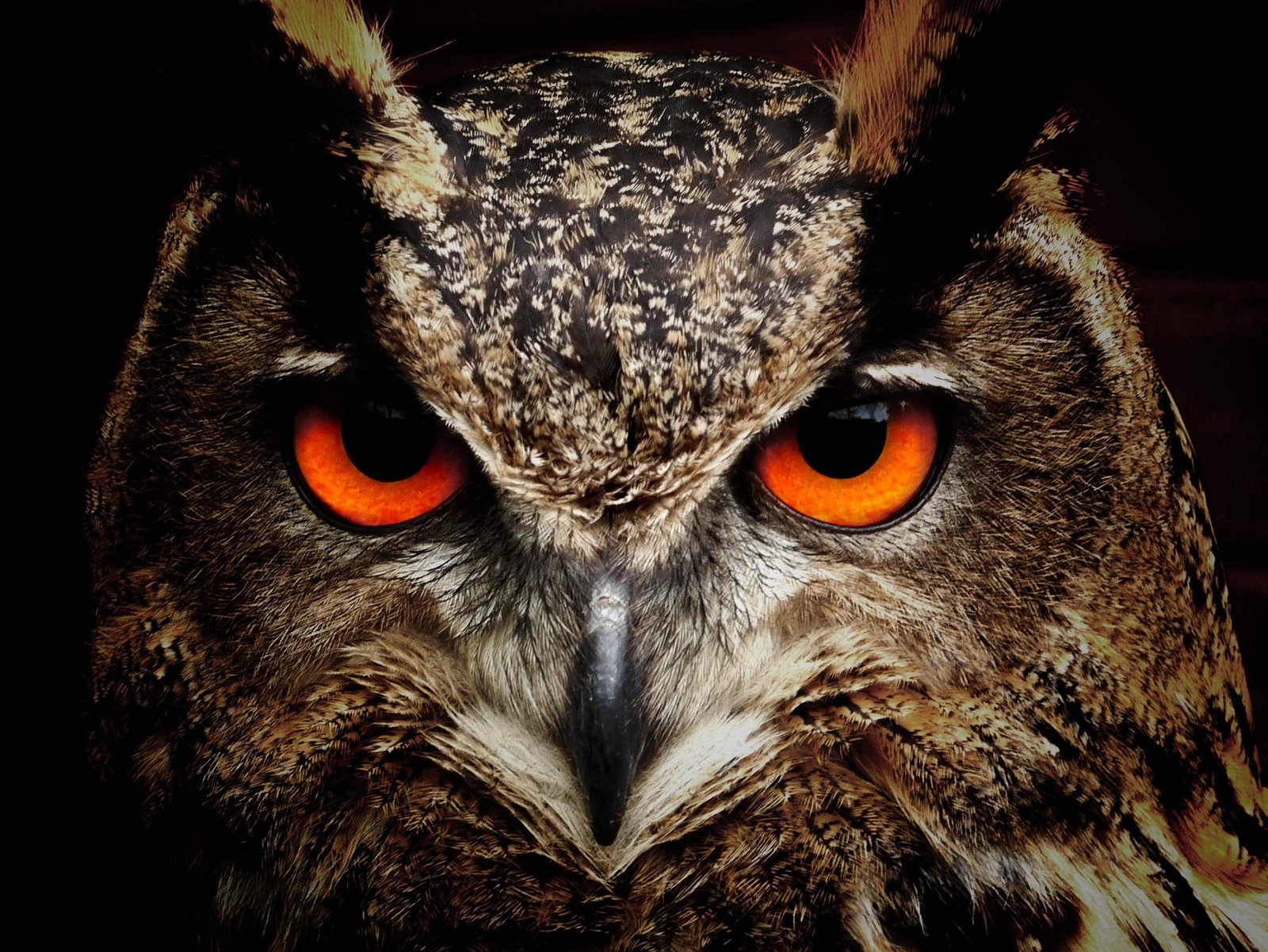
Introduction: Photographing owls in your garden is a thrilling experience that can result in stunning images. These majestic birds are not only captivating to observe but also make for extraordinary subjects in photography. Whether you're a beginner or an experienced nature photographer, this blog post will provide you with valuable tips and tricks to capture the beauty of owls in your garden. Let's dive in! 1. Research the Owls in Your Area: Before you start photographing owls, it's essential to have a good understanding of the species that reside in your region. Research their habits, preferred habitats, and the time of day they are most active. This knowledge will help you determine the best times to photograph them in your garden. 2. Create an Owl-Friendly Garden: To attract owls to your garden, create an environment that caters to their needs. Plant trees or install owl nesting boxes to provide them with shelter. Attract their prey, such as mice and voles, by planting native vegetation or leaving some areas of your garden undisturbed. A garden that supports owls will increase your chances of capturing them with your camera. 3. Master Your Equipment: To capture high-quality images of owls, it's important to have the right equipment. A telephoto lens with a focal length between 200mm and 600mm is ideal for getting close-up shots without disturbing the owls. A sturdy tripod will help steady your camera and prevent blurry images. Familiarize yourself with your camera's settings, particularly those relating to ISO, aperture, and shutter speed, to get the best results in different lighting conditions. 4. Get the Lighting Right: Lighting plays a crucial role in photography, especially when it comes to capturing owls. Aim to photograph them during the golden hours of early morning or late afternoon, when the light is soft and warm. This light enhances the textures and colors of the owls' feathers, creating visually appealing images. Avoid harsh midday sunlight, as it can cast unflattering shadows and wash out details. 5. Practice Patience and Be Respectful: Photographing wild animals requires patience and respect for their space. Owls are easily stressed, so it's important to maintain a safe distance and observe them from afar. Avoid making sudden movements or loud noises that might frighten or disturb them. By being patient and respectful, you can capture incredible moments while ensuring the well-being of the owls. 6. Focus on the Eyes: Owls are known for their striking eyes, which can mesmerize viewers in a photograph. When composing your shots, make sure the eyes are in sharp focus. The eyes should be the focal point of your images, drawing the viewer's attention and conveying the owl's captivating gaze. 7. Experiment with Different Perspectives: Don't be afraid to experiment with different perspectives and compositions to add variety to your owl photography. Try shooting from different angles, such as a low-down or eye-level perspective, to create more engaging and unique images. Get creative and think outside the box to capture the essence of these fascinating creatures. Conclusion: Gardening and photography come together beautifully when photographing owls in your backyard. With the right research, equipment, lighting, and a patient approach, you can create breathtaking images that showcase the beauty and mystery of these magnificent birds. So, set up your garden to attract owls, grab your camera, and embark on an awe-inspiring journey into the world of owl photography. also visit the following website http://www.svop.org
Leave a Comment:
SEARCH
Recent News
- Zurich, Switzerland is not only known for its picturesque landscapes and vibrant culture but also for its diverse wildlife. While the city may be more commonly associated with its financial sector and luxury shopping, there are some rare and fascinating animals that call Zurich home.
- YouTube Content Creation: Showcasing Rare Animals through Translation
- If you are a nature enthusiast and love learning about rare and exotic animals, there are several YouTube channels dedicated to showcasing these fascinating creatures in their natural habitats. These channels provide a unique opportunity to educate yourself about lesser-known species and the importance of conservation efforts.
- The Importance of Developing Rare Skills Like a Rare Animal in the Workplace
- Women in Politics: Breaking Barriers and Making History
- Warsaw, the capital city of Poland, is not only known for its rich history and beautiful architecture but also for its unique and diverse wildlife. Despite being a bustling urban center, Warsaw is home to some rare and fascinating animals that can be found in various parks, forests, and reserves in and around the city.
- Vietnam is a country known for its rich culture, beautiful landscapes, and delicious cuisine. However, it is also home to a variety of rare and endangered animals that are found nowhere else in the world. In recent years, some Vietnamese businesses and companies have taken initiatives to help protect these precious species and their habitats.
- Vienna, the capital city of Austria, is known for its rich history, stunning architecture, and vibrant cultural scene. But did you know that Vienna is also home to a variety of rare and interesting animals? From exotic species at the Vienna Zoo to elusive wildlife in the surrounding countryside, there are plenty of fascinating creatures to discover in and around this beautiful city.
READ MORE
11 months ago Category : owlo

Zurich, Switzerland is not only known for its picturesque landscapes and vibrant culture but also for its diverse wildlife. While the city may be more commonly associated with its financial sector and luxury shopping, there are some rare and fascinating animals that call Zurich home.
Read More →11 months ago Category : owlo

YouTube Content Creation: Showcasing Rare Animals through Translation
Read More →11 months ago Category : owlo

If you are a nature enthusiast and love learning about rare and exotic animals, there are several YouTube channels dedicated to showcasing these fascinating creatures in their natural habitats. These channels provide a unique opportunity to educate yourself about lesser-known species and the importance of conservation efforts.
Read More →11 months ago Category : owlo
