The Fascinating Anatomy and Physiology of Owls' Food
Category : owlo | Sub Category : owlo Posted on 2023-10-30 21:24:53
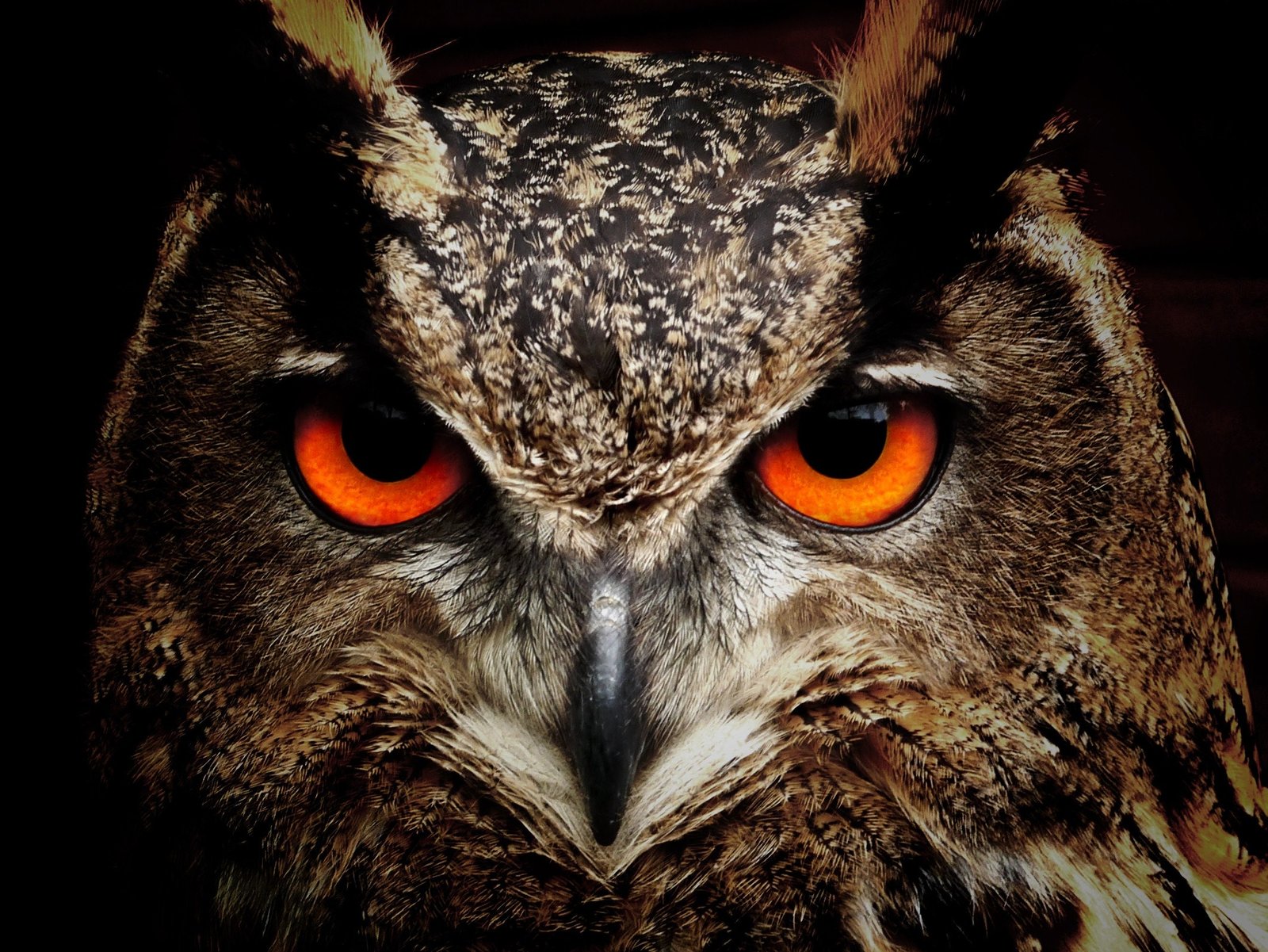
Introduction: Owls are mysterious and captivating creatures, known for their nocturnal habits and incredible hunting skills. One aspect that sets them apart is their unique approach to food. Today, we will explore the fascinating anatomy and physiology of owls in relation to their feeding habits. From their specialized beaks to their efficient digestive system, owls have evolved to be expert hunters and efficient consumers of their prey. 1. The Owl's Beak and Talons: An owl's beak and talons play a critical role in capturing and consuming its food. Their hooked beaks are perfectly adapted for tearing meat apart, enabling owls to rip into the flesh of their prey effortlessly. Owls also have razor-sharp talons that allow them to firmly grasp their prey, ensuring that it does not escape during the hunt. 2. The Silent Flight: Another crucial aspect of a successful owl hunt is its ability to fly silently. Owls possess specialized feathers that minimize noise, enabling them to approach their prey with stealth. This silent flight is achieved through serrated wing feathers, which break up the airflow and reduce sound production, making owls almost completely silent when in flight. Such silence ensures that their prey remains unaware of their presence until it's too late. 3. Extraordinary Night Vision: One of the most remarkable adaptations of owls is their exceptional night vision. Owls have large eyes relative to their head size, providing them with an enormous visual field. Their eyes are also forward-facing, enabling binocular vision, which enhances depth perception. Additionally, owls possess a high concentration of rods in their retina, specialized cells responsible for low-light vision. These adaptations allow owls to locate and close in on their prey, even in near darkness. 4. Swallowing Whole: Once the owl has caught its prey, it faces the challenge of consuming it efficiently. Owls are unable to chew their food as they lack teeth. Instead, they swallow their prey whole. Their digestive system is adapted to handle this unique feeding method. The owl's esophagus is wide and flexible, allowing large prey to pass through easily. It also has a muscular stomach called the 'proventriculus' that secretes enzymes to help break down the food. 5. The Pellet Regurgitation: After digesting the edible parts of their prey, owls regurgitate a pellet containing indigestible remains, such as fur and bones. This adaptation helps prevent their digestive system from being clogged with undigestible materials. These pellets can provide valuable insights for scientists studying owl diet and habitat management. Conclusion: The intricate anatomy and physiology of owls have evolved to make them formidable hunters. From their specialized beaks and silent flight to their exceptional night vision and efficient digestion, every aspect of an owl's feeding process contributes to its success as a predator. Understanding the unique adaptations of these amazing birds provides us with a greater appreciation for the natural world and the wonders it holds. Next time you spot an owl, take a moment to admire its incredible skills and the intriguing secrets hidden within its relationship with food. You can find more about this subject in http://www.deleci.com For more information check: http://www.eatnaturals.com For more information: http://www.mimidate.com
Leave a Comment:
SEARCH
Recent News
- Zurich, Switzerland is not only known for its picturesque landscapes and vibrant culture but also for its diverse wildlife. While the city may be more commonly associated with its financial sector and luxury shopping, there are some rare and fascinating animals that call Zurich home.
- YouTube Content Creation: Showcasing Rare Animals through Translation
- If you are a nature enthusiast and love learning about rare and exotic animals, there are several YouTube channels dedicated to showcasing these fascinating creatures in their natural habitats. These channels provide a unique opportunity to educate yourself about lesser-known species and the importance of conservation efforts.
- The Importance of Developing Rare Skills Like a Rare Animal in the Workplace
- Women in Politics: Breaking Barriers and Making History
- Warsaw, the capital city of Poland, is not only known for its rich history and beautiful architecture but also for its unique and diverse wildlife. Despite being a bustling urban center, Warsaw is home to some rare and fascinating animals that can be found in various parks, forests, and reserves in and around the city.
- Vietnam is a country known for its rich culture, beautiful landscapes, and delicious cuisine. However, it is also home to a variety of rare and endangered animals that are found nowhere else in the world. In recent years, some Vietnamese businesses and companies have taken initiatives to help protect these precious species and their habitats.
- Vienna, the capital city of Austria, is known for its rich history, stunning architecture, and vibrant cultural scene. But did you know that Vienna is also home to a variety of rare and interesting animals? From exotic species at the Vienna Zoo to elusive wildlife in the surrounding countryside, there are plenty of fascinating creatures to discover in and around this beautiful city.
READ MORE
11 months ago Category : owlo

Zurich, Switzerland is not only known for its picturesque landscapes and vibrant culture but also for its diverse wildlife. While the city may be more commonly associated with its financial sector and luxury shopping, there are some rare and fascinating animals that call Zurich home.
Read More →11 months ago Category : owlo

YouTube Content Creation: Showcasing Rare Animals through Translation
Read More →11 months ago Category : owlo

If you are a nature enthusiast and love learning about rare and exotic animals, there are several YouTube channels dedicated to showcasing these fascinating creatures in their natural habitats. These channels provide a unique opportunity to educate yourself about lesser-known species and the importance of conservation efforts.
Read More →11 months ago Category : owlo
