Exploring Color Trends in Owl Species: A Fascinating Palette in Nature
Category : owlo | Sub Category : owlo Posted on 2023-10-30 21:24:53
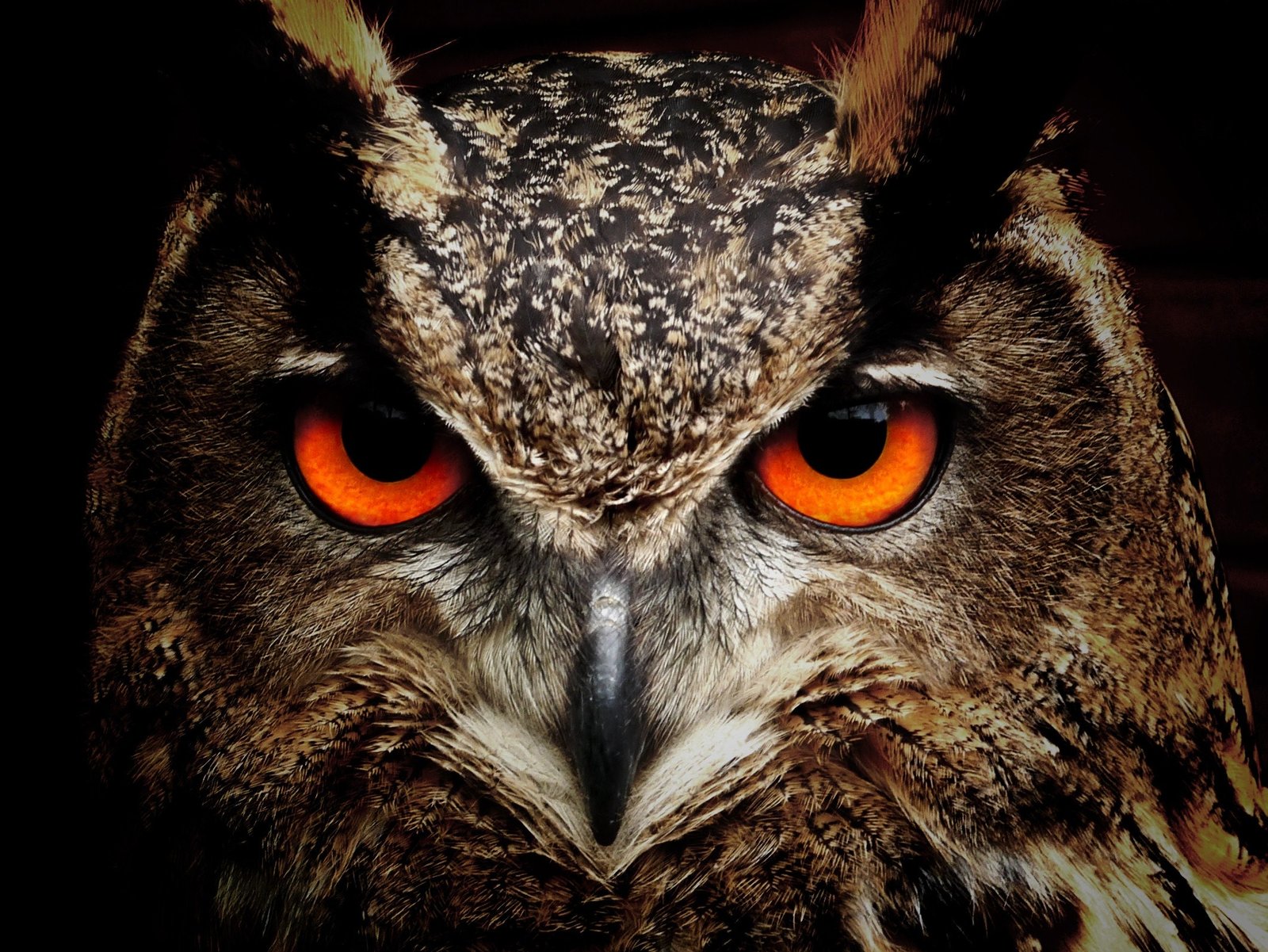
Introduction: When we think of color trends, our minds often wander to fashion, interior design, or even graphic design. However, nature has its own captivating color palette, and one such example can be found in the diverse species of owls. With their majestic presence and unique adaptations, these birds of prey showcase a range of stunning colors and patterns that have captivated both scientists and nature enthusiasts. In this blog post, we will delve into the world of owl species and explore the color trends that make each of them truly extraordinary. 1. The Eastern Screech Owl: This small owl species, native to North America, showcases a remarkable variety of colors. While some individuals sport a whitish or grayish plumage to blend into the bark of trees, others exhibit vibrant reddish-brown hues, known as "rufous morph." This fascinating color variation within a single species highlights the adaptability of owls and their ability to blend into different environments. 2. The Barn Owl: Known for its heart-shaped face and ghostly appearance, the barn owl is a master of camouflage. In most regions, its plumage is predominantly white, allowing it to blend seamlessly into moonlit nights or barn interiors. However, there are regional variations where the barn owl exhibits shades of rusty brown or even a rich golden buff, adding a touch of warmth and subtlety to its overall appearance. 3. The Snowy Owl: One of the most iconic owl species, with its striking white plumage, the snowy owl embodies elegance and grace. These birds inhabit the Arctic regions where their coloration serves as effective camouflage against the snowy landscape. However, it's worth noting that not all snowy owls are entirely white. Females and young snowy owls often feature flecks of darker plumage and barring, adding a touch of contrast and beauty. 4. The Spectacled Owl: Native to the rainforests of Central and South America, the spectacled owl is named after its distinct facial markings that resemble eyeglasses. With its dark brown plumage and large, expressive eyes, this owl species exhibits a sense of sophistication. The combination of shades of brown and creamy white feathers creates a magnificent contrast that enhances its allure. 5. The Burrowing Owl: In stark contrast to the familiar nocturnal owls, the burrowing owl is a diurnal (active during the day) species that lives in open grasslands and prairies. Its unique coloration includes hues of brown and white, with some individuals featuring speckles or bars on their plumage. This color trend allows the burrowing owl to blend into the earthy tones of its burrow habitat and predator-free surroundings. Conclusion: The world of owl species offers an astonishing display of color trends, showcasing nature's creativity and adaptability. From the earthy tones of the burrowing owl to the ethereal white of the snowy owl, each species demonstrates its unique palette. Exploring the color variations in owl species not only allows us to appreciate the beauty of these magnificent creatures but also reveals how nature's design can inspire our own artistic endeavors. So, the next time you encounter an owl or observe it from afar, take a moment to admire the color trends in these feathered marvels, and let their stunning hues inspire your own creativity. Uncover valuable insights in http://www.colorsshow.com
Leave a Comment:
SEARCH
Recent News
- Zurich, Switzerland is not only known for its picturesque landscapes and vibrant culture but also for its diverse wildlife. While the city may be more commonly associated with its financial sector and luxury shopping, there are some rare and fascinating animals that call Zurich home.
- YouTube Content Creation: Showcasing Rare Animals through Translation
- If you are a nature enthusiast and love learning about rare and exotic animals, there are several YouTube channels dedicated to showcasing these fascinating creatures in their natural habitats. These channels provide a unique opportunity to educate yourself about lesser-known species and the importance of conservation efforts.
- The Importance of Developing Rare Skills Like a Rare Animal in the Workplace
- Women in Politics: Breaking Barriers and Making History
- Warsaw, the capital city of Poland, is not only known for its rich history and beautiful architecture but also for its unique and diverse wildlife. Despite being a bustling urban center, Warsaw is home to some rare and fascinating animals that can be found in various parks, forests, and reserves in and around the city.
- Vietnam is a country known for its rich culture, beautiful landscapes, and delicious cuisine. However, it is also home to a variety of rare and endangered animals that are found nowhere else in the world. In recent years, some Vietnamese businesses and companies have taken initiatives to help protect these precious species and their habitats.
- Vienna, the capital city of Austria, is known for its rich history, stunning architecture, and vibrant cultural scene. But did you know that Vienna is also home to a variety of rare and interesting animals? From exotic species at the Vienna Zoo to elusive wildlife in the surrounding countryside, there are plenty of fascinating creatures to discover in and around this beautiful city.
READ MORE
11 months ago Category : owlo

Zurich, Switzerland is not only known for its picturesque landscapes and vibrant culture but also for its diverse wildlife. While the city may be more commonly associated with its financial sector and luxury shopping, there are some rare and fascinating animals that call Zurich home.
Read More →11 months ago Category : owlo

YouTube Content Creation: Showcasing Rare Animals through Translation
Read More →11 months ago Category : owlo

If you are a nature enthusiast and love learning about rare and exotic animals, there are several YouTube channels dedicated to showcasing these fascinating creatures in their natural habitats. These channels provide a unique opportunity to educate yourself about lesser-known species and the importance of conservation efforts.
Read More →11 months ago Category : owlo
