The Fascinating Diet and Feeding Habits of China's Owls
Category : owlo | Sub Category : owlo Posted on 2023-10-30 21:24:53
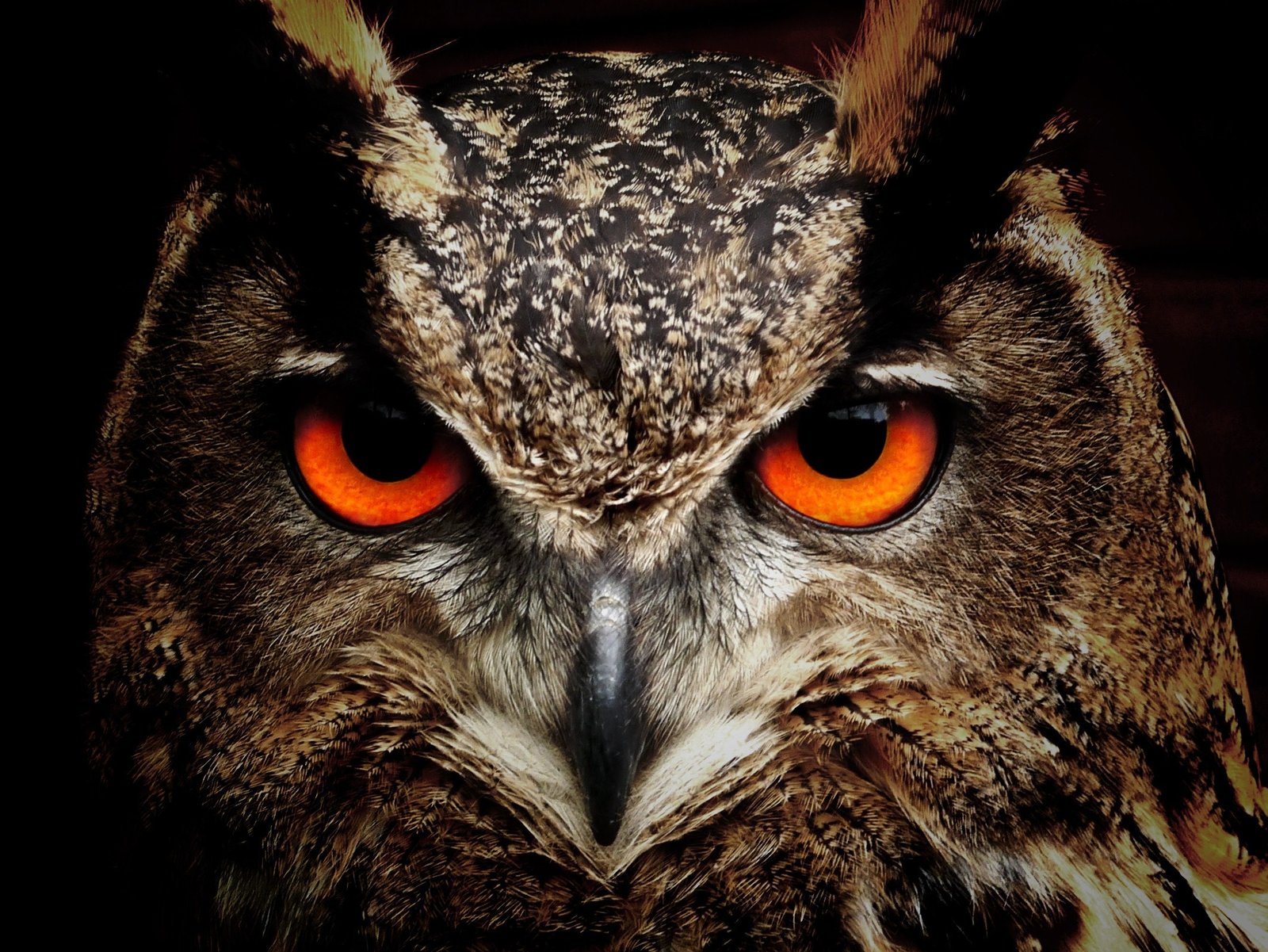
Introduction: China is home to a diverse range of owl species, each with its unique diet and feeding habits. These magnificent creatures have captivated the hearts of many wildlife enthusiasts and continue to intrigue researchers with their specialized hunting techniques. In this blog post, we will delve into the diet and feeding habits of China's owls and explore the adaptations that make them such proficient hunters. 1. Diversity of Owl Species in China: China boasts a rich population of owl species, including the Eurasian Eagle Owl, Brown Fish Owl, Collared Owlet, and Long-eared Owl, just to name a few. Each species has distinct characteristics that shape their diet and hunting behaviors. 2. Nocturnal Predators: Owls are primarily nocturnal creatures, relying on their exceptional night vision and silent flight to locate and capture their prey. Their acute hearing also plays a crucial role in hunting, allowing them to detect the faintest sounds of rustling or scampering. 3. Varied Prey Selection: China's owl species exhibit a diverse range of prey preferences. The diet of an owl largely depends on its size and habitat. Larger owls, such as the Eurasian Eagle Owl, prey on small mammals like rabbits, hares, and even young deer. Smaller species, such as the Collared Owlet, focus on insects, small birds, and reptiles. 4. Specialized Adaptations for Hunting: The unique physical attributes of owls contribute to their remarkable hunting success. Their large and forward-facing eyes provide exceptional binocular vision, allowing them to judge distance accurately while zooming in on their prey. Additionally, their facial disk acts as a sound reflector, channeling sound waves towards their ears and enhancing their hearing abilities. 5. Silent Flight: Another fascinating adaptation of owls is their specialized feathers that aid in silent flight. Owls possess soft and fringed feathers that minimize turbulence and muffle the sound of their wings, enabling them to approach their prey stealthily. 6. Hunting Techniques: China's owls utilize various hunting techniques depending on their habitat and prey availability. Some species, like the Brown Fish Owl, are specialized fish hunters and can be observed near rivers and freshwater bodies. Owls like the Long-eared Owl are skilled at ambushing their prey from perches, using camouflage to blend seamlessly into their surroundings. 7. Digestive Adaptations: Owls have unique digestive systems that enable them to consume their prey whole. They regurgitate pellets composed of bones, fur, and other indigestible materials, providing valuable insights into their diet and helping researchers study owl populations. Conclusion: China's owl species showcase an impressive range of dietary preferences and hunting techniques. Their ability to adapt to various environments and their unrivaled hunting skills make them a fascinating subject of study. To preserve and protect these majestic creatures, it is essential to understand their diet and feeding habits, allowing conservation efforts to be targeted effectively. Let us appreciate the intricate nature of China's owls and marvel at their role in maintaining a balanced ecosystem. Seeking answers? You might find them in http://www.soitsyou.com
Leave a Comment:
SEARCH
Recent News
- Zurich, Switzerland is not only known for its picturesque landscapes and vibrant culture but also for its diverse wildlife. While the city may be more commonly associated with its financial sector and luxury shopping, there are some rare and fascinating animals that call Zurich home.
- YouTube Content Creation: Showcasing Rare Animals through Translation
- If you are a nature enthusiast and love learning about rare and exotic animals, there are several YouTube channels dedicated to showcasing these fascinating creatures in their natural habitats. These channels provide a unique opportunity to educate yourself about lesser-known species and the importance of conservation efforts.
- The Importance of Developing Rare Skills Like a Rare Animal in the Workplace
- Women in Politics: Breaking Barriers and Making History
- Warsaw, the capital city of Poland, is not only known for its rich history and beautiful architecture but also for its unique and diverse wildlife. Despite being a bustling urban center, Warsaw is home to some rare and fascinating animals that can be found in various parks, forests, and reserves in and around the city.
- Vietnam is a country known for its rich culture, beautiful landscapes, and delicious cuisine. However, it is also home to a variety of rare and endangered animals that are found nowhere else in the world. In recent years, some Vietnamese businesses and companies have taken initiatives to help protect these precious species and their habitats.
- Vienna, the capital city of Austria, is known for its rich history, stunning architecture, and vibrant cultural scene. But did you know that Vienna is also home to a variety of rare and interesting animals? From exotic species at the Vienna Zoo to elusive wildlife in the surrounding countryside, there are plenty of fascinating creatures to discover in and around this beautiful city.
READ MORE
2 months ago Category : owlo

Zurich, Switzerland is not only known for its picturesque landscapes and vibrant culture but also for its diverse wildlife. While the city may be more commonly associated with its financial sector and luxury shopping, there are some rare and fascinating animals that call Zurich home.
Read More →2 months ago Category : owlo

YouTube Content Creation: Showcasing Rare Animals through Translation
Read More →2 months ago Category : owlo

If you are a nature enthusiast and love learning about rare and exotic animals, there are several YouTube channels dedicated to showcasing these fascinating creatures in their natural habitats. These channels provide a unique opportunity to educate yourself about lesser-known species and the importance of conservation efforts.
Read More →2 months ago Category : owlo
