A Fascinating Insight into the Anatomy and Physiology of China's Owls
Category : owlo | Sub Category : owlo Posted on 2023-10-30 21:24:53
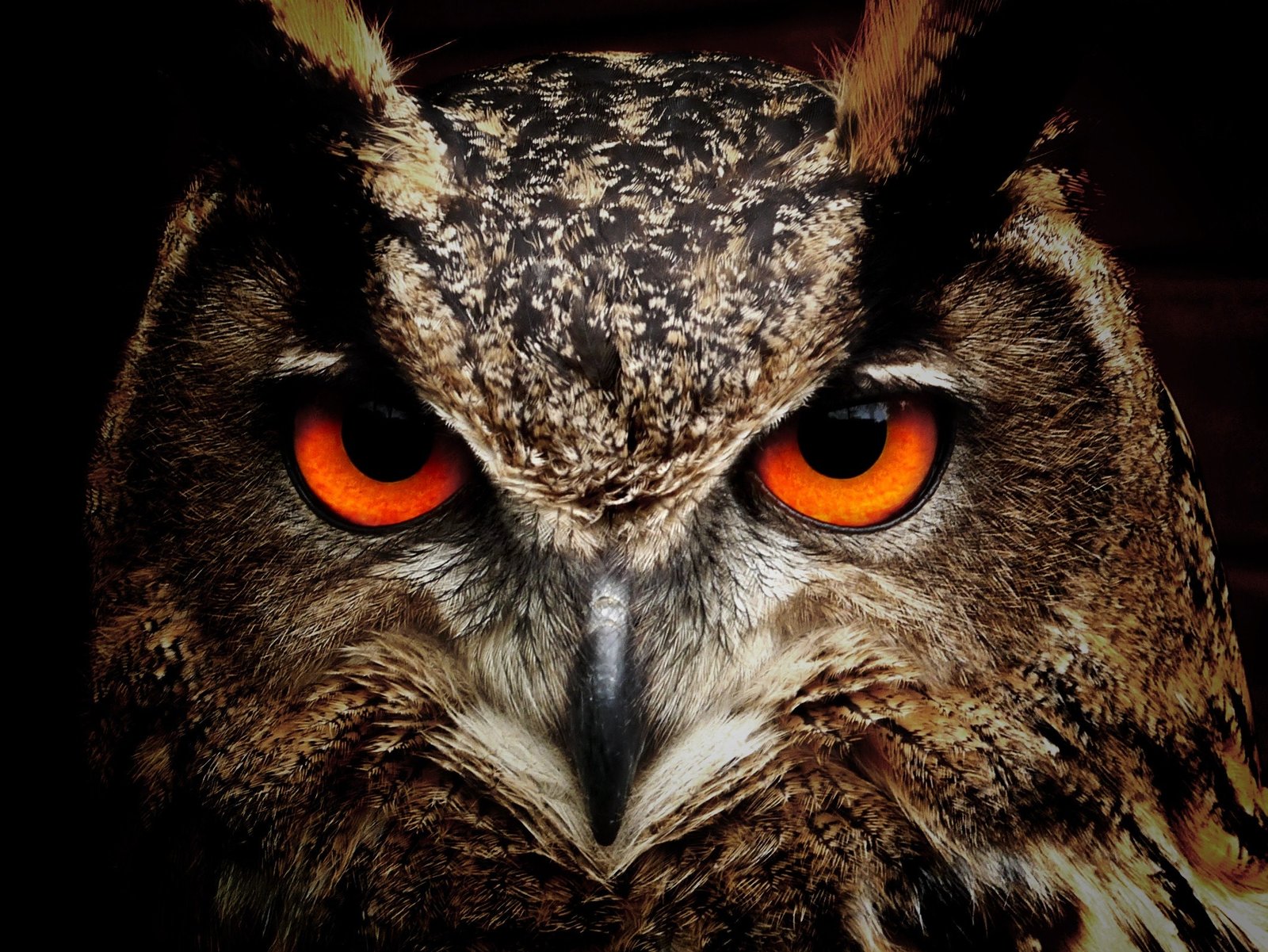
Introduction: China's diverse wildlife includes an array of magnificent owl species, renowned for their allure and mystical symbolism. As these birds of prey silently navigate through the dense forests, their intricate anatomy and fascinating physiology play a crucial role in their survival and adaptability. In this blog post, we will delve deep into the world of China's owls, exploring their remarkable anatomical features and physiological adaptations. 1. The Unique Talons: Owls possess powerful talons that are specifically designed for hunting and capturing prey. In China, species like the Ural owl and the Eurasian eagle-owl showcase remarkable variations in their talon structure. These curved and razor-sharp talons help them firmly grasp their prey, ensuring a successful hunt. Interestingly, the talons of different owl species in China vary in size and strength, reflecting their varying hunting strategies and preferences for different prey. 2. Adaptations for Silent Flight: One of the most extraordinary features of owls is their ability to fly silently. Their specialized feathers possess serrated edges, which break up the airflow and minimize the noise produced during flight. These adaptations enable China's owls, such as the Brown Wood Owl and the Asian Barred Owlet, to move swiftly and undetected, allowing them to surprise their prey with ease. Additionally, the unique feather structure of owls grants them excellent camouflaging abilities, making them virtually invisible in their natural habitats. 3. Vision and Hearing Acuity: China's owl species exhibit exceptional vision and hearing capabilities, further enhancing their predatory skills. Their large, forward-facing eyes provide excellent binocular vision, enabling accurate distance perception and precise targeting during nocturnal hunts. Additionally, the arrangement of the retinal cells in their eyes enhances their night vision. This exceptional visual prowess allows owl species like the Collared Owlet and the Mountain Scops Owl to detect even the slightest movements of their prey in low-light conditions. In addition to their incredible vision, owls possess outstanding hearing abilities. They have asymmetrical ear openings, with one ear placed higher than the other. This unique arrangement allows them to locate sounds accurately and determine the distance and direction of their prey, even in complete darkness. Owls in China like the Northern Hawk-Owl and the Eurasian Scops Owl rely heavily on their acute hearing to locate their next meal practically inaudibly. 4. Digestive System Adaptations: China's owl species have evolved specialized digestive systems that allow them to consume their prey in its entirety. Owls regurgitate undigested materials such as bones, fur, and feathers in the form of pellets. These pellets not only aid in digestion but also serve as an important tool for scientists and researchers to study owl diet and behavior. Conclusion: China's owls are magnificent creatures, with their anatomy and physiology adapted to suit their unique ecological niche. Their powerful talons, silent flight, exceptional vision and hearing, as well as specialized digestive systems, exemplify their evolution for optimal hunting and survival. As these remarkable birds continue to enchant us with their mysterious allure, let us appreciate their incredible biological adaptations that make them the masters of the nocturnal world. To get a different viewpoint, consider: http://www.soitsyou.com
Leave a Comment:
SEARCH
Recent News
- Zurich, Switzerland is not only known for its picturesque landscapes and vibrant culture but also for its diverse wildlife. While the city may be more commonly associated with its financial sector and luxury shopping, there are some rare and fascinating animals that call Zurich home.
- YouTube Content Creation: Showcasing Rare Animals through Translation
- If you are a nature enthusiast and love learning about rare and exotic animals, there are several YouTube channels dedicated to showcasing these fascinating creatures in their natural habitats. These channels provide a unique opportunity to educate yourself about lesser-known species and the importance of conservation efforts.
- The Importance of Developing Rare Skills Like a Rare Animal in the Workplace
- Women in Politics: Breaking Barriers and Making History
- Warsaw, the capital city of Poland, is not only known for its rich history and beautiful architecture but also for its unique and diverse wildlife. Despite being a bustling urban center, Warsaw is home to some rare and fascinating animals that can be found in various parks, forests, and reserves in and around the city.
- Vietnam is a country known for its rich culture, beautiful landscapes, and delicious cuisine. However, it is also home to a variety of rare and endangered animals that are found nowhere else in the world. In recent years, some Vietnamese businesses and companies have taken initiatives to help protect these precious species and their habitats.
- Vienna, the capital city of Austria, is known for its rich history, stunning architecture, and vibrant cultural scene. But did you know that Vienna is also home to a variety of rare and interesting animals? From exotic species at the Vienna Zoo to elusive wildlife in the surrounding countryside, there are plenty of fascinating creatures to discover in and around this beautiful city.
READ MORE
5 months ago Category : owlo

Zurich, Switzerland is not only known for its picturesque landscapes and vibrant culture but also for its diverse wildlife. While the city may be more commonly associated with its financial sector and luxury shopping, there are some rare and fascinating animals that call Zurich home.
Read More →5 months ago Category : owlo

YouTube Content Creation: Showcasing Rare Animals through Translation
Read More →5 months ago Category : owlo

If you are a nature enthusiast and love learning about rare and exotic animals, there are several YouTube channels dedicated to showcasing these fascinating creatures in their natural habitats. These channels provide a unique opportunity to educate yourself about lesser-known species and the importance of conservation efforts.
Read More →5 months ago Category : owlo
