Owning the Night: Photography Tips and Tricks for Capturing Stunning Owl Photos
Category : owlo | Sub Category : owlo Posted on 2023-10-30 21:24:53
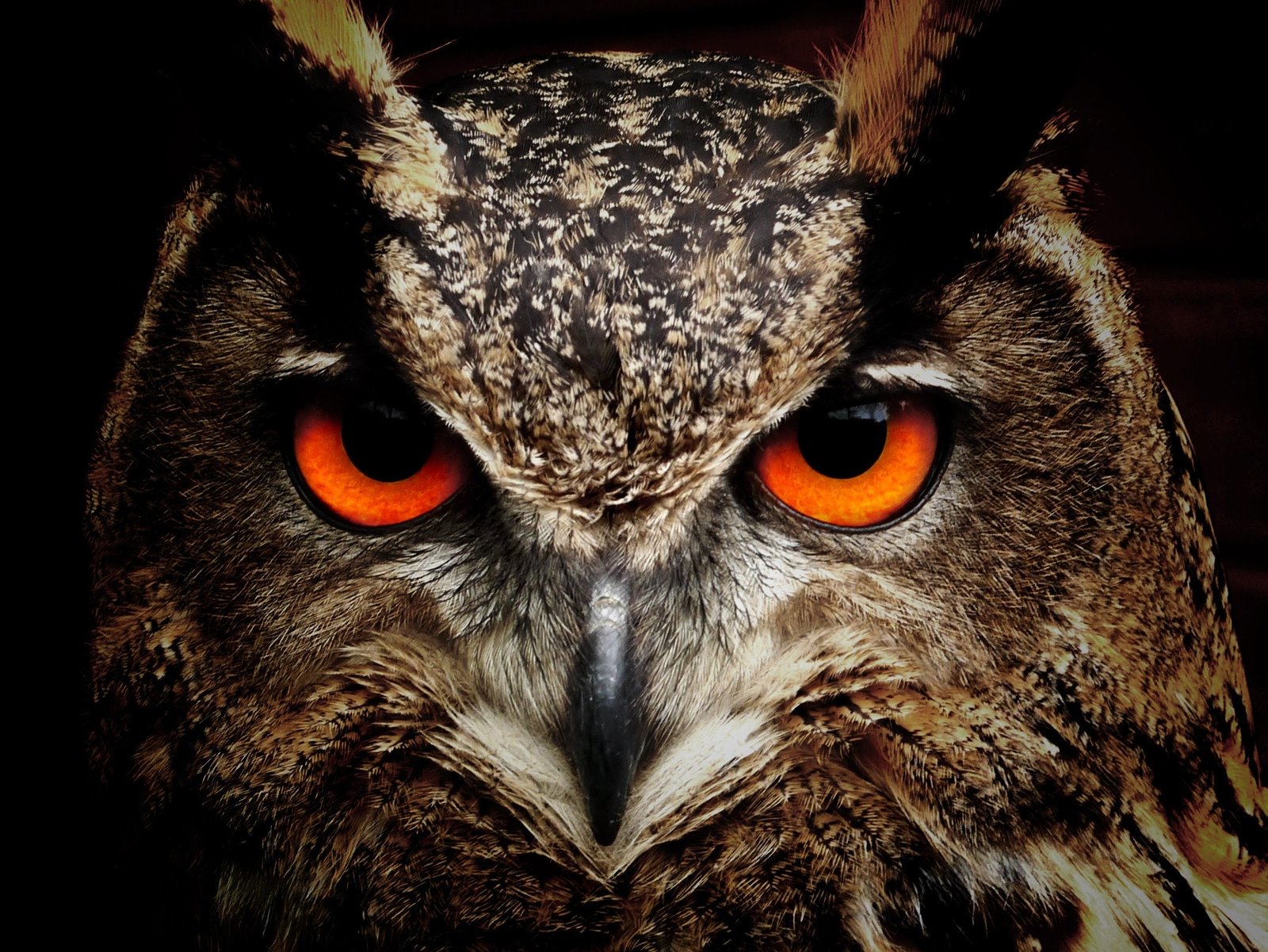
Introduction: When it comes to wildlife photography, few subjects captivate photographers like owls. These elusive creatures possess an air of mystery that can make capturing their beauty on camera a truly rewarding experience. However, photographing owls can be challenging due to their nocturnal habits and camouflage techniques. In this blog post, we will share some valuable tips and tricks to help you master the art of owl photography and capture breathtaking images of these majestic birds. 1. Do Your Research: Before embarking on an owl photography expedition, it's essential to familiarize yourself with the types of owls that reside in your region. Learn about their behavior, habits, and preferred hunting grounds. Owls are highly territorial, and knowing where to find them can greatly increase your chances of capturing exceptional photos. 2. Timing is Key: Owls are primarily active during twilight hours, so plan your photography sessions accordingly. Arrive at your shooting location well before sunset to scout the area and identify potential perches and nesting spots. Be patient and wait for the perfect moment when the light is optimal, as soft, warm light can enhance the mood of your owl photographs. 3. Equipment Essentials: Investing in the right equipment is crucial for successful owl photography. Here are a few essential tools to consider: a) Telephoto Lens: Owls are known for their incredible eyesight, but they are also incredibly shy birds. A telephoto lens with a focal length of at least 300mm is ideal for capturing close-up shots while maintaining a safe distance and not disturbing the owls. b) Tripod: Stability is key when photographing owls, as you will often find yourself shooting in low light conditions. A sturdy tripod will help eliminate camera shake, resulting in sharper images. c) Camera Settings: Switch your camera to manual mode to have full control over the exposure triangle. Set a wide aperture (low f-number) to achieve a shallow depth of field, allowing your subject to stand out from the background. Increase the ISO to compensate for low light conditions, and use a faster shutter speed to freeze any sudden movements. 4. Focus on the Eyes: When photographing owls, their piercing eyes are often the main attraction. Ensure that the eyes are sharp and in focus by using the appropriate autofocus settings. Many cameras offer "spot focus" or "single point focus" modes, which allow you to select a specific focus point for precise focusing. 5. Capture Unique Behavior: Owls are known for their captivating behaviors, such as head rotation, preening, or hunting. Keep a keen eye on these moments and be ready to capture them. Patience is key as owl photography often involves waiting for the perfect shot, so be prepared to spend hours observing and waiting for the right opportunity. 6. Ethical Considerations: Respect the owls and their natural habitat throughout the photography process. Avoid any actions that could disturb or harm the birds. Keep a safe distance and use your telephoto lens to get closer without disturbing them. Remember, owls are protected species in many regions, so always prioritize their well-being over getting the perfect photo. Conclusion: Owl photography can be a truly rewarding experience for passionate wildlife photographers. By doing your research, mastering the right techniques, and investing in the appropriate equipment, you can capture stunning images of these marvelous creatures. Patience, respect, and a deep love for nature are essential ingredients for creating memorable owl photographs. So, gear up, head out, and let your camera help you unlock the secrets of the night, one enchanting owl photo at a time. For an extensive perspective, read http://www.fmount.net Discover new insights by reading http://www.keralachessyoutubers.com
Leave a Comment:
SEARCH
Recent News
- Zurich, Switzerland is not only known for its picturesque landscapes and vibrant culture but also for its diverse wildlife. While the city may be more commonly associated with its financial sector and luxury shopping, there are some rare and fascinating animals that call Zurich home.
- YouTube Content Creation: Showcasing Rare Animals through Translation
- If you are a nature enthusiast and love learning about rare and exotic animals, there are several YouTube channels dedicated to showcasing these fascinating creatures in their natural habitats. These channels provide a unique opportunity to educate yourself about lesser-known species and the importance of conservation efforts.
- The Importance of Developing Rare Skills Like a Rare Animal in the Workplace
- Women in Politics: Breaking Barriers and Making History
- Warsaw, the capital city of Poland, is not only known for its rich history and beautiful architecture but also for its unique and diverse wildlife. Despite being a bustling urban center, Warsaw is home to some rare and fascinating animals that can be found in various parks, forests, and reserves in and around the city.
- Vietnam is a country known for its rich culture, beautiful landscapes, and delicious cuisine. However, it is also home to a variety of rare and endangered animals that are found nowhere else in the world. In recent years, some Vietnamese businesses and companies have taken initiatives to help protect these precious species and their habitats.
- Vienna, the capital city of Austria, is known for its rich history, stunning architecture, and vibrant cultural scene. But did you know that Vienna is also home to a variety of rare and interesting animals? From exotic species at the Vienna Zoo to elusive wildlife in the surrounding countryside, there are plenty of fascinating creatures to discover in and around this beautiful city.
READ MORE
11 months ago Category : owlo

Zurich, Switzerland is not only known for its picturesque landscapes and vibrant culture but also for its diverse wildlife. While the city may be more commonly associated with its financial sector and luxury shopping, there are some rare and fascinating animals that call Zurich home.
Read More →11 months ago Category : owlo

YouTube Content Creation: Showcasing Rare Animals through Translation
Read More →11 months ago Category : owlo

If you are a nature enthusiast and love learning about rare and exotic animals, there are several YouTube channels dedicated to showcasing these fascinating creatures in their natural habitats. These channels provide a unique opportunity to educate yourself about lesser-known species and the importance of conservation efforts.
Read More →11 months ago Category : owlo
