Understanding the Diet and Feeding Habits of Owls: Nature's Bookworms
Category : owlo | Sub Category : owlo Posted on 2023-10-30 21:24:53
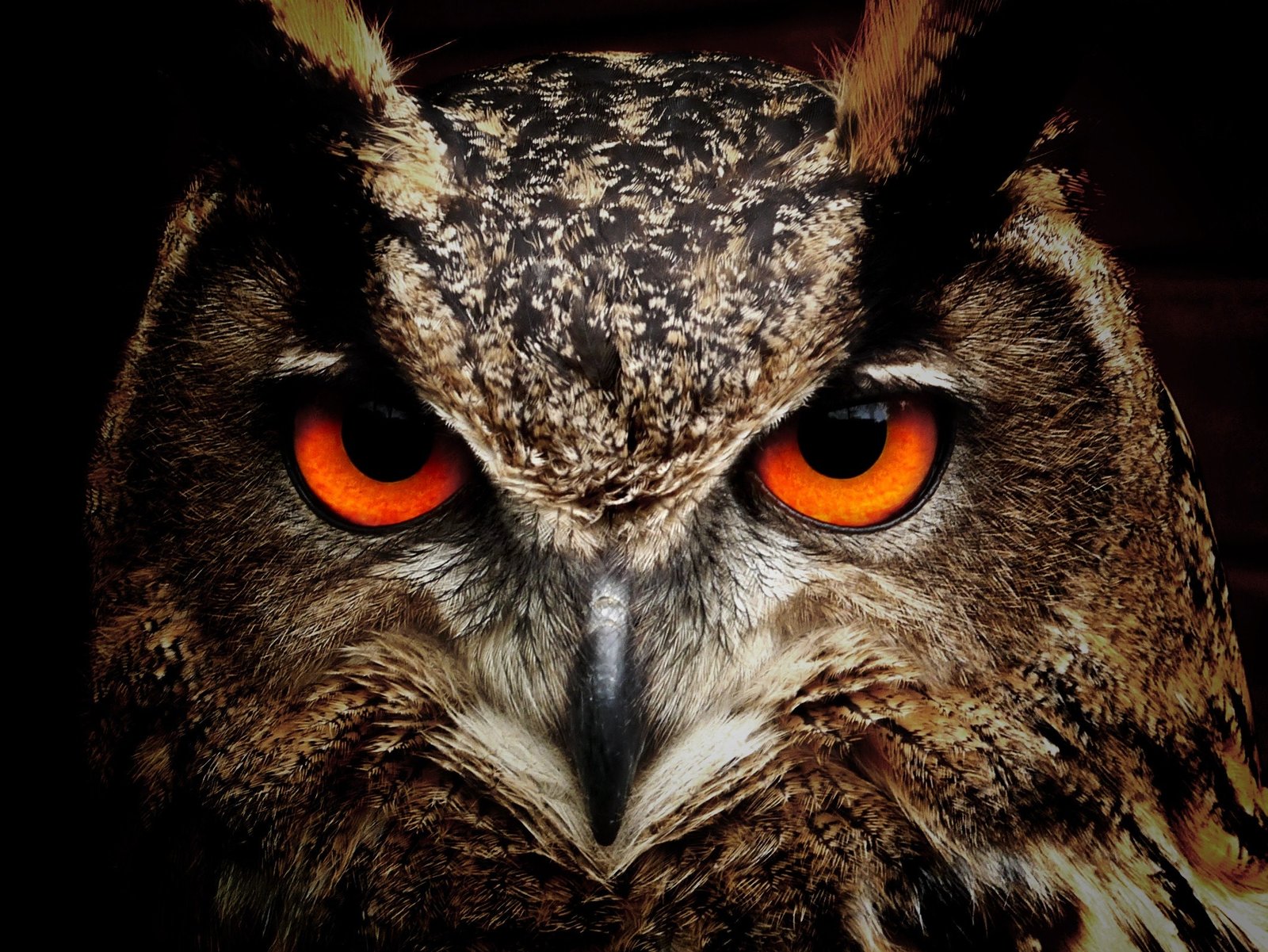
Introduction: Owls have always captivated our imagination, with their majestic appearance and enigmatic behavior. These fascinating creatures are not only known for their exceptional hunting skills and nocturnal lifestyle but also for their unique diet and feeding habits. In this article, we will delve into the world of owls' eating habits and explore how they maintain their health while being nature's bookworms. 1. An Overview of Owl Diets: Owls are opportunistic hunters, meaning they can prey on a variety of animals depending on their size and availability. The primary food sources for most owl species include small mammals like mice, voles, rats, and shrews. Birds, reptiles, amphibians, and even insects are also part of their diet. However, larger owls, such as the Eurasian eagle owl and Great horned owl, can take down larger prey like hares and waterfowl. 2. The Role of Vision in Hunting: One of the key adaptations that make owls such skilled hunters is their remarkable vision. Owls have large forward-facing eyes that give them excellent binocular vision, allowing them to accurately judge distances and strike their prey with precision, even in the dark. They also have specialized feathers that help direct sound to their ears, enhancing their hearing abilities. 3. Silent Flight for Efficient Hunting: Another fascinating aspect of owl feeding habits is their unique ability to fly silently. Owls possess specialized feathers that reduce turbulence, allowing them to approach their prey unnoticed. Silent flight is crucial for surprising their victims and making their hunting endeavors more fruitful. 4. How Owls Consume Their Prey: Unlike other birds of prey, owls typically swallow their prey whole or in large chunks. This is because they lack teeth and have a less powerful beak for tearing apart their food. Their digestive system is adapted to handle this type of consumption. Owls have a muscular stomach called a gizzard that helps break down the prey into smaller pieces. 5. Pellet Regurgitation: One characteristic behavior that has intrigued biologists is owls' habit of regurgitating pellets. Owls do not digest the fur, bones, and feathers of their prey. Instead, these indigestible parts are formed into a compact mass inside their digestive system. Owls later regurgitate these pellets, providing scientists with valuable insights into their diet and ecology. Collecting and analyzing these pellets can help determine the types of prey that owls consume. Conclusion: Owls, with their diverse diet and unique feeding habits, play an important ecological role in maintaining the balance of nature. As nature's bookworms, they contribute to controlling populations of rodents and other small creatures. Their exceptional hunting abilities, silent flight, and remarkable vision make them fascinating subjects of study. Understanding their diet and feeding habits helps us appreciate the intricate mechanisms of the animal kingdom and underscores the importance of preserving these magnificent creatures and their habitats. this link is for more information http://www.rollerbooks.com
Leave a Comment:
SEARCH
Recent News
- Zurich, Switzerland is not only known for its picturesque landscapes and vibrant culture but also for its diverse wildlife. While the city may be more commonly associated with its financial sector and luxury shopping, there are some rare and fascinating animals that call Zurich home.
- YouTube Content Creation: Showcasing Rare Animals through Translation
- If you are a nature enthusiast and love learning about rare and exotic animals, there are several YouTube channels dedicated to showcasing these fascinating creatures in their natural habitats. These channels provide a unique opportunity to educate yourself about lesser-known species and the importance of conservation efforts.
- The Importance of Developing Rare Skills Like a Rare Animal in the Workplace
- Women in Politics: Breaking Barriers and Making History
- Warsaw, the capital city of Poland, is not only known for its rich history and beautiful architecture but also for its unique and diverse wildlife. Despite being a bustling urban center, Warsaw is home to some rare and fascinating animals that can be found in various parks, forests, and reserves in and around the city.
- Vietnam is a country known for its rich culture, beautiful landscapes, and delicious cuisine. However, it is also home to a variety of rare and endangered animals that are found nowhere else in the world. In recent years, some Vietnamese businesses and companies have taken initiatives to help protect these precious species and their habitats.
- Vienna, the capital city of Austria, is known for its rich history, stunning architecture, and vibrant cultural scene. But did you know that Vienna is also home to a variety of rare and interesting animals? From exotic species at the Vienna Zoo to elusive wildlife in the surrounding countryside, there are plenty of fascinating creatures to discover in and around this beautiful city.
READ MORE
8 months ago Category : owlo

Zurich, Switzerland is not only known for its picturesque landscapes and vibrant culture but also for its diverse wildlife. While the city may be more commonly associated with its financial sector and luxury shopping, there are some rare and fascinating animals that call Zurich home.
Read More →8 months ago Category : owlo

YouTube Content Creation: Showcasing Rare Animals through Translation
Read More →8 months ago Category : owlo

If you are a nature enthusiast and love learning about rare and exotic animals, there are several YouTube channels dedicated to showcasing these fascinating creatures in their natural habitats. These channels provide a unique opportunity to educate yourself about lesser-known species and the importance of conservation efforts.
Read More →8 months ago Category : owlo
