The Complete Guide to Owl Breeding and Nesting: Ensuring the Well-being of These Mysterious Creatures
Category : owlo | Sub Category : owlo Posted on 2023-10-30 21:24:53
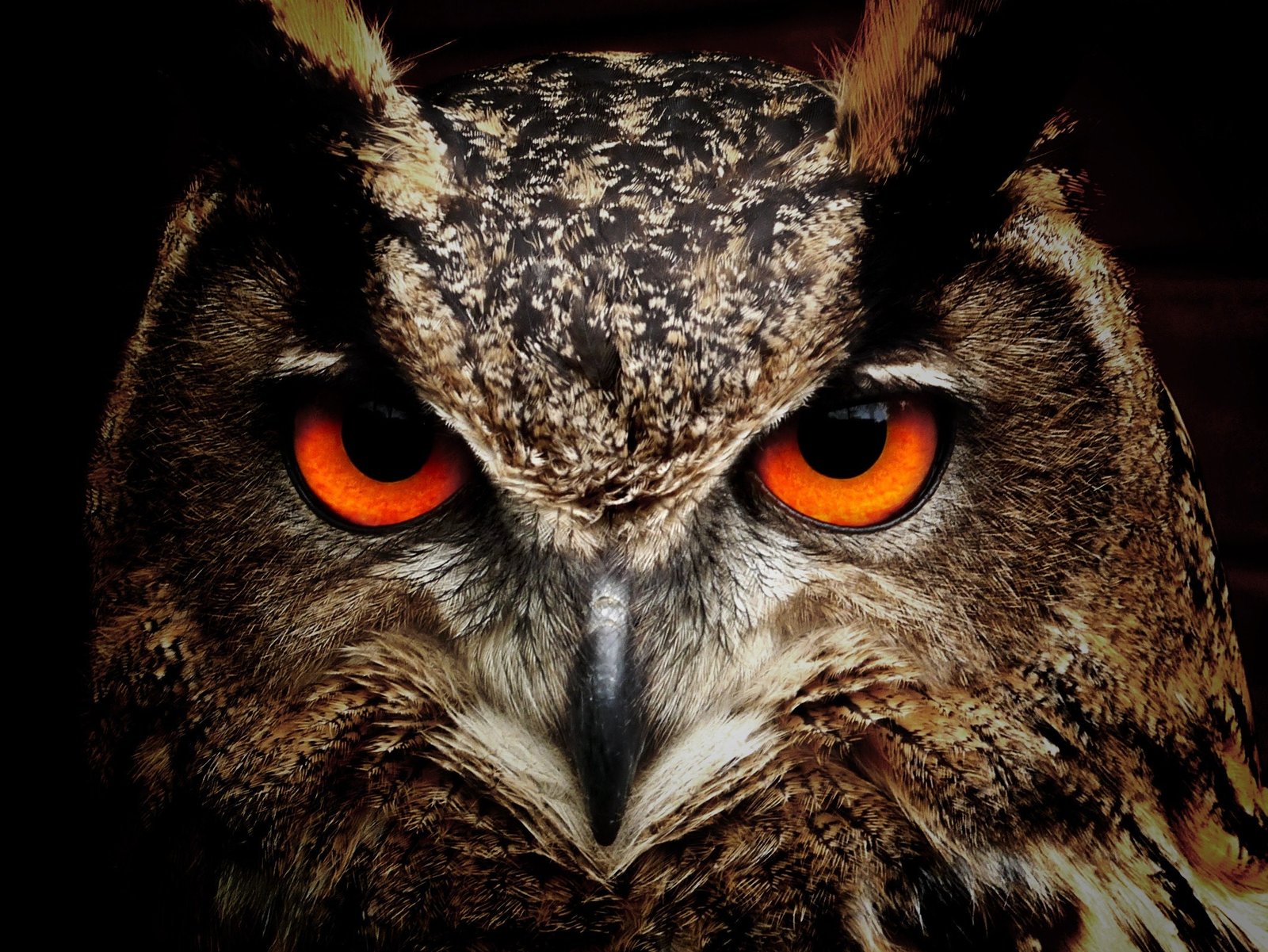
Introduction: Owls have captured the imagination of humans for centuries with their captivating beauty and enigmatic nature. These birds of prey are known for their exceptional hunting skills and nocturnal habits. As nature enthusiasts, it is crucial for us to understand the breeding and nesting habits of owls to contribute to their conservation. In this comprehensive guide, we will explore owl breeding and nesting practices, helping you ensure the well-being of these magnificent creatures. Understanding Owl Breeding Seasons: Owls are known to be monogamous, meaning they typically mate with only one partner for life. Understanding their breeding seasons is vital to observing and protecting these majestic creatures. Breeding seasons vary depending on the owl species and the habitat they inhabit. Most owl species breed during the winter or early spring, with courtship rituals starting as early as fall. These rituals involve impressive displays of aerial acrobatics, vocalizations, and courtship gifts from the male owl to the female. These courtship displays help strengthen the bond between the pair. Selecting the Ideal Nesting Site: Once an owl pair has bonded, they search for a suitable nesting site to raise their brood. Owls do not build their nests from scratch but instead tend to repurpose existing structures such as tree cavities, abandoned bird nests, or even old buildings. As nature enthusiasts, creating owl-friendly environments by providing nest boxes can help promote successful breeding and nesting. When considering nest box placement, it is crucial to mimic natural habitats. Providing a mix of open areas for hunting and perching spots nearby is essential. Moreover, ensuring a sense of security and privacy by locating the nest box away from human disturbance helps create a conducive environment for owls to breed successfully. Owl Nesting Behavior: Once a suitable nesting site is established, female owls lay their eggs, which typically range from 1 to 7 in number, depending on the species. The female does most of the incubation while the male provides food during this period. Owls display remarkable parental care, with both parents sharing the responsibilities of hunting and protecting the nest. During the incubation period, it is crucial not to interfere with the nest or disturb the owl pair. This will ensure the safety of the eggs and the well-being of the breeding pair. Observing the nesting behavior from a safe distance while respecting their space is the best way to contribute positively to their breeding success. Caring for Owlets: In the weeks following hatching, owlets are entirely dependent on their parents for food and warmth. During this critical stage, it is crucial to avoid disturbances near the nest site, as this may cause unnecessary stress to the owl family. Additionally, providing a nearby source of water and suitable hunting grounds for the parents will help sustain their brood. Conclusion: Understanding owl breeding and nesting practices is vital for preserving these extraordinary creatures. By appreciating their breeding seasons, selecting suitable nesting sites, and respecting their space during crucial stages, we can contribute positively to owl conservation efforts. Creating owl-friendly habitats and providing nest boxes are great ways to promote successful breeding. Remember, these ancient birds deserve our respect and protection, allowing future generations to marvel at their beauty and mystery.
Leave a Comment:
SEARCH
Recent News
- Zurich, Switzerland is not only known for its picturesque landscapes and vibrant culture but also for its diverse wildlife. While the city may be more commonly associated with its financial sector and luxury shopping, there are some rare and fascinating animals that call Zurich home.
- YouTube Content Creation: Showcasing Rare Animals through Translation
- If you are a nature enthusiast and love learning about rare and exotic animals, there are several YouTube channels dedicated to showcasing these fascinating creatures in their natural habitats. These channels provide a unique opportunity to educate yourself about lesser-known species and the importance of conservation efforts.
- The Importance of Developing Rare Skills Like a Rare Animal in the Workplace
- Women in Politics: Breaking Barriers and Making History
- Warsaw, the capital city of Poland, is not only known for its rich history and beautiful architecture but also for its unique and diverse wildlife. Despite being a bustling urban center, Warsaw is home to some rare and fascinating animals that can be found in various parks, forests, and reserves in and around the city.
- Vietnam is a country known for its rich culture, beautiful landscapes, and delicious cuisine. However, it is also home to a variety of rare and endangered animals that are found nowhere else in the world. In recent years, some Vietnamese businesses and companies have taken initiatives to help protect these precious species and their habitats.
- Vienna, the capital city of Austria, is known for its rich history, stunning architecture, and vibrant cultural scene. But did you know that Vienna is also home to a variety of rare and interesting animals? From exotic species at the Vienna Zoo to elusive wildlife in the surrounding countryside, there are plenty of fascinating creatures to discover in and around this beautiful city.
READ MORE
11 months ago Category : owlo

Zurich, Switzerland is not only known for its picturesque landscapes and vibrant culture but also for its diverse wildlife. While the city may be more commonly associated with its financial sector and luxury shopping, there are some rare and fascinating animals that call Zurich home.
Read More →11 months ago Category : owlo

YouTube Content Creation: Showcasing Rare Animals through Translation
Read More →11 months ago Category : owlo

If you are a nature enthusiast and love learning about rare and exotic animals, there are several YouTube channels dedicated to showcasing these fascinating creatures in their natural habitats. These channels provide a unique opportunity to educate yourself about lesser-known species and the importance of conservation efforts.
Read More →11 months ago Category : owlo
