The Ultimate Guide to Owl Feeding: Understanding Owl Anatomy and Physiology
Category : owlo | Sub Category : owlo Posted on 2023-10-30 21:24:53
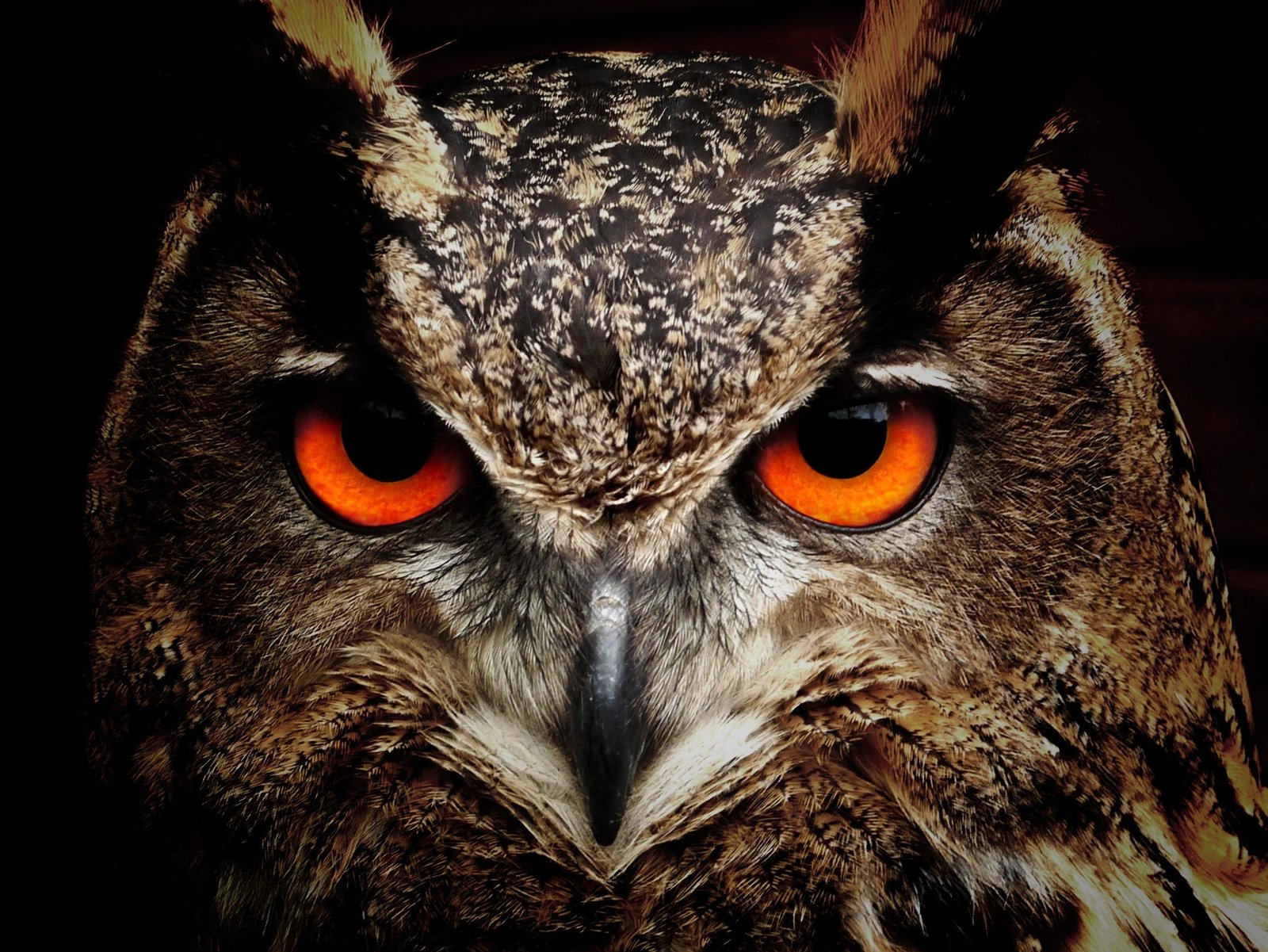
Introduction: Owls are magnificent creatures that have fascinated humans for centuries. With their silent flight, incredible night vision, and unique hunting skills, these birds of prey are truly remarkable. However, if you're considering caring for an owl or have come across an injured owl in need of help, it's important to have a good understanding of their anatomy and physiology to provide proper feeding and care. In this guide, we will delve into the intricacies of owl anatomy and provide valuable insights on their feeding requirements. 1. Adaptations for Nocturnal Hunting: Owls are primarily nocturnal hunters, and their anatomy is perfectly adapted to assist them in their nighttime endeavors. Their large, forward-facing eyes have a high concentration of rod cells, allowing for exceptional low-light vision. Owls also have a flat facial disc that aids in gathering and focusing sound waves, enabling them to locate prey accurately. Understanding these adaptations is vital when it comes to providing the right type of food to suit their natural hunting style. 2. Talons and Beak: An owl's talons play a crucial role in securing and capturing prey. These sharp, curved claws are designed to grab and hold onto their prey tightly. Owls have incredible strength in their talons and can exert a considerable amount of pressure. It is necessary to avoid handling owls with bare hands to prevent any injuries. Additionally, their sharp, hooked beak helps tear and consume the captured prey efficiently. 3. Dietary Requirements: The diet of an owl mainly consists of small mammals, such as mice, rats, and voles. Depending on the species, some owls may also consume birds, reptiles, amphibians, insects, or even fish. Owls are carnivorous predators and have specific nutritional needs. To mimic their natural diet, it is essential to provide a balanced diet when caring for an owl. This can include frozen or thawed rodents and other appropriate live prey, depending on the owl's size and specific dietary requirements. 4. Monitoring Health and Feeding Schedule: Keeping a close eye on an owl's health is essential for their overall well-being. Regular veterinary check-ups, proper housing conditions, and a balanced diet are crucial factors that contribute to their health. Establishing a feeding schedule that closely mimics their natural hunting habits is also important. Owls tend to feed at dusk and dawn, so it is recommended to feed them during these times. However, consult with a veterinarian or an experienced owl rehabilitator for specific feeding guidelines based on the owl's age, species, and health condition. 5. Handling and Preparation: Caring for an owl requires proper handling and preparation techniques. Always remember to wear gloves when handling an owl to avoid any injuries caused by their sharp talons. It's crucial to ensure that the food provided is fresh and of high quality. If feeding frozen prey, it should be fully thawed and warmed to room temperature before offering it to the owl. Handling and preparing the food with care will help maintain the owl's health and overall well-being. Conclusion: Feeding an owl requires a thorough understanding of their anatomy, physiology, and dietary requirements. By providing the right nutrition and mimicking their natural feeding habits, you can ensure the health and happiness of these incredible birds. Remember to consult with professionals in the field for advice tailored to your specific owl's needs. With proper care and attention to their unique feeding requirements, you can contribute to the well-being and conservation of these captivating creatures.
Leave a Comment:
SEARCH
Recent News
- Zurich, Switzerland is not only known for its picturesque landscapes and vibrant culture but also for its diverse wildlife. While the city may be more commonly associated with its financial sector and luxury shopping, there are some rare and fascinating animals that call Zurich home.
- YouTube Content Creation: Showcasing Rare Animals through Translation
- If you are a nature enthusiast and love learning about rare and exotic animals, there are several YouTube channels dedicated to showcasing these fascinating creatures in their natural habitats. These channels provide a unique opportunity to educate yourself about lesser-known species and the importance of conservation efforts.
- The Importance of Developing Rare Skills Like a Rare Animal in the Workplace
- Women in Politics: Breaking Barriers and Making History
- Warsaw, the capital city of Poland, is not only known for its rich history and beautiful architecture but also for its unique and diverse wildlife. Despite being a bustling urban center, Warsaw is home to some rare and fascinating animals that can be found in various parks, forests, and reserves in and around the city.
- Vietnam is a country known for its rich culture, beautiful landscapes, and delicious cuisine. However, it is also home to a variety of rare and endangered animals that are found nowhere else in the world. In recent years, some Vietnamese businesses and companies have taken initiatives to help protect these precious species and their habitats.
- Vienna, the capital city of Austria, is known for its rich history, stunning architecture, and vibrant cultural scene. But did you know that Vienna is also home to a variety of rare and interesting animals? From exotic species at the Vienna Zoo to elusive wildlife in the surrounding countryside, there are plenty of fascinating creatures to discover in and around this beautiful city.
READ MORE
11 months ago Category : owlo

Zurich, Switzerland is not only known for its picturesque landscapes and vibrant culture but also for its diverse wildlife. While the city may be more commonly associated with its financial sector and luxury shopping, there are some rare and fascinating animals that call Zurich home.
Read More →11 months ago Category : owlo

YouTube Content Creation: Showcasing Rare Animals through Translation
Read More →11 months ago Category : owlo

If you are a nature enthusiast and love learning about rare and exotic animals, there are several YouTube channels dedicated to showcasing these fascinating creatures in their natural habitats. These channels provide a unique opportunity to educate yourself about lesser-known species and the importance of conservation efforts.
Read More →11 months ago Category : owlo
