Capturing the Beauty of African Owls: Photography Tips and Tricks
Category : owlo | Sub Category : owlo Posted on 2023-10-30 21:24:53
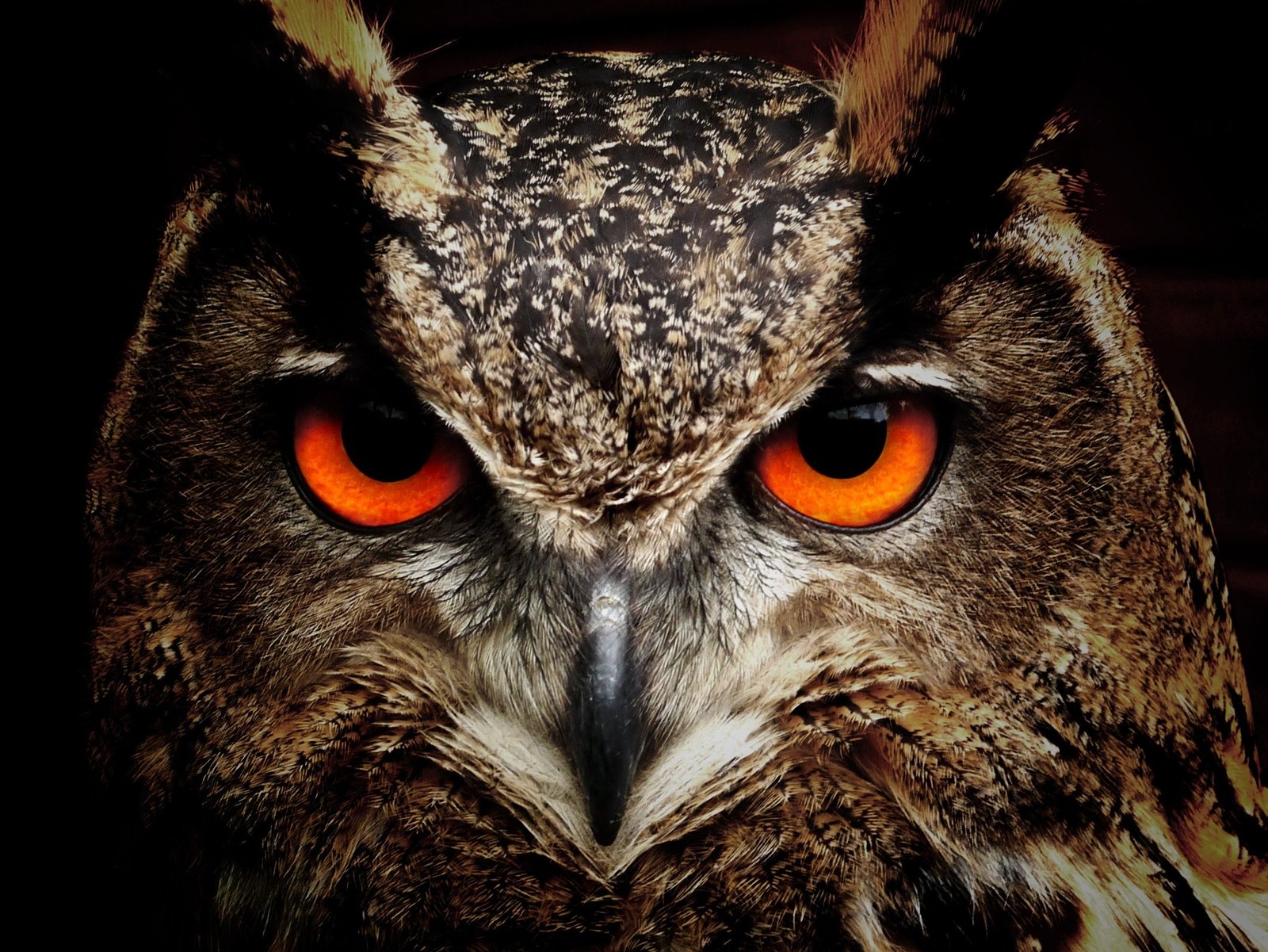
Introduction: Africa is home to a wide variety of owl species, each with its unique characteristics and captivating beauty. If you are an avid photographer or a nature enthusiast, capturing these amazing creatures in their natural habitats can be an incredibly rewarding experience. In this blog post, we will explore some helpful tips and tricks to enhance your owl photography skills in Africa. 1. Research and Identify Owl Species: Before embarking on your owl photography adventure, it's crucial to research and familiarize yourself with the different owl species found in Africa. Understanding their habitat preferences, behavior, and appearance will give you an advantage when it comes to locating them and capturing stunning images. 2. Scout Their Habitats: Once you have identified the owl species you want to photograph, it's time to scout their habitats. Owls can be found in various landscapes, including savannahs, forests, deserts, and grasslands. Researching their preferred habitats and knowing where to find them will increase your chances of capturing them in their natural surroundings. 3. Be Patient and Respectful: Photographing owls in Africa requires patience and respect for their space. Owls are nocturnal creatures, and some species are particularly shy and sensitive to human presence. When approaching their habitats, move slowly, avoid sudden movements, and maintain a distance that doesn't disturb or stress them. Remember that the welfare of these creatures should always come first. 4. Optimize Your Equipment: To capture stunning owl photographs, it's crucial to have the right equipment. A camera with a fast autofocus and a long telephoto lens will allow you to capture close-up shots while maintaining a safe distance. Consider investing in a telephoto lens with a focal length of at least 300mm to ensure crisp and detailed images of these often elusive creatures. 5. Understand Lighting Conditions: Lighting plays a vital role in photography, and photographing owls is no different. Since owls are most active at dawn and dusk, known as the golden hours, take advantage of the soft, warm light during these times. Shooting during the early morning or late afternoon will provide you with enchanting lighting conditions that can add a magical touch to your images. 6. Master Your Camera Settings: Knowing your camera inside out and having a good understanding of its manual settings is essential for successful owl photography. Experiment with different aperture settings to achieve the desired depth of field, considering that owls' eyes are their most striking features. Additionally, choose a fast shutter speed to freeze their movements and prevent blurriness. 7. Focus on the Eyes: The eyes are often referred to as windows to the soul, and this holds true for owl photography as well. Owls have captivating and expressive eyes that can instantly draw viewers in. When photographing owls, make sure their eyes are in sharp focus, as they play a crucial role in creating an emotional connection with your audience. 8. Capture Unique Behaviors: Owls exhibit fascinating behaviors, such as hunting, feeding, and interacting with their young. Be patient and observant to capture these special moments. A unique behavior or interaction can elevate your photographs and tell a compelling story. Conclusion: Photographing owls in Africa can be a truly awe-inspiring experience. With proper research, respect for nature, and masterful camera techniques, you can capture stunning images that showcase the beauty and diversity of African owl species. So, grab your camera, venture into the African wilderness, and witness the magic of these magnificent creatures through the lens of your photography. For more information about this: http://www.afrospaces.com
Leave a Comment:
SEARCH
Recent News
- Zurich, Switzerland is not only known for its picturesque landscapes and vibrant culture but also for its diverse wildlife. While the city may be more commonly associated with its financial sector and luxury shopping, there are some rare and fascinating animals that call Zurich home.
- YouTube Content Creation: Showcasing Rare Animals through Translation
- If you are a nature enthusiast and love learning about rare and exotic animals, there are several YouTube channels dedicated to showcasing these fascinating creatures in their natural habitats. These channels provide a unique opportunity to educate yourself about lesser-known species and the importance of conservation efforts.
- The Importance of Developing Rare Skills Like a Rare Animal in the Workplace
- Women in Politics: Breaking Barriers and Making History
- Warsaw, the capital city of Poland, is not only known for its rich history and beautiful architecture but also for its unique and diverse wildlife. Despite being a bustling urban center, Warsaw is home to some rare and fascinating animals that can be found in various parks, forests, and reserves in and around the city.
- Vietnam is a country known for its rich culture, beautiful landscapes, and delicious cuisine. However, it is also home to a variety of rare and endangered animals that are found nowhere else in the world. In recent years, some Vietnamese businesses and companies have taken initiatives to help protect these precious species and their habitats.
- Vienna, the capital city of Austria, is known for its rich history, stunning architecture, and vibrant cultural scene. But did you know that Vienna is also home to a variety of rare and interesting animals? From exotic species at the Vienna Zoo to elusive wildlife in the surrounding countryside, there are plenty of fascinating creatures to discover in and around this beautiful city.
READ MORE
11 months ago Category : owlo

Zurich, Switzerland is not only known for its picturesque landscapes and vibrant culture but also for its diverse wildlife. While the city may be more commonly associated with its financial sector and luxury shopping, there are some rare and fascinating animals that call Zurich home.
Read More →11 months ago Category : owlo

YouTube Content Creation: Showcasing Rare Animals through Translation
Read More →11 months ago Category : owlo

If you are a nature enthusiast and love learning about rare and exotic animals, there are several YouTube channels dedicated to showcasing these fascinating creatures in their natural habitats. These channels provide a unique opportunity to educate yourself about lesser-known species and the importance of conservation efforts.
Read More →11 months ago Category : owlo
